
Innovative Technologies for Efficient Marble Powder Grinding Mills
We provide a wide range of mills — including Raymond mill, trapezoidal mill, vertical mill, ultrafine mill, and ball mill, obtained ISO9001 international quality certification, EU CE certification, and Customs Union CU-TR certification. Suitable for processing minerals such as limestone, phosphate, quicklime, kaolin, talc, barite, bentonite, calcium carbonate, dolomite, coal, gypsum, clay, carbon black, slag, cement raw materials, cement clinker, and more.
The discharge range of these mills can be adjusted to meet specific processing needs, typically from 80-400 mesh, 600-3250 mesh, and can achieve the finest particle size of up to 6000 mesh(D50).
If you are looking for a reliable grinding solution to turn stone or minerals into fine powder, please feel free to contact our online customer service.
Innovative Technologies for Efficient Marble Powder Grinding Mills
The marble processing industry faces increasing demands for high-purity, fine powders used across diverse sectors from construction materials to cosmetics and pharmaceuticals. Achieving the required fineness while maintaining operational efficiency and environmental compliance requires advanced grinding technologies. Modern mills must balance production capacity, energy consumption, particle size distribution, and dust control to meet both economic and regulatory standards.
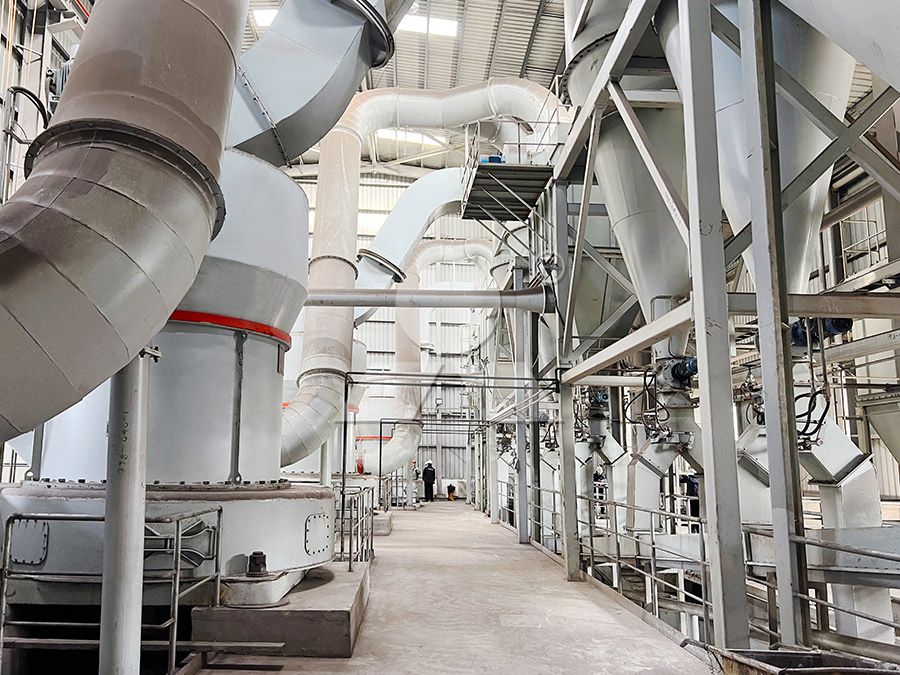
The Challenge of Traditional Grinding Methods
Traditional ball mills and early-generation Raymond mills often struggle with the specific requirements of marble powder production. Key limitations include excessive energy consumption, limited control over particle size distribution, significant heat generation that can affect material properties, and challenges in containing fine dust. These factors directly impact production costs, product quality, and workplace safety.
Modern solutions address these challenges through innovative engineering approaches. The integration of advanced separator technology, precision grinding curves, and comprehensive dust collection systems has revolutionized marble powder production. These advancements enable manufacturers to produce powders with consistent quality at significantly lower operational costs.
Advanced Grinding Technologies for Superior Results
Contemporary grinding mills incorporate several technological innovations that specifically benefit marble processing. High-efficiency classifiers allow precise control over final product fineness, typically ranging from 325 to 2500 meshes. Improved grinding mechanisms reduce energy consumption while increasing throughput. Advanced structural designs minimize vibration and noise, contributing to longer equipment lifespan and better working conditions.
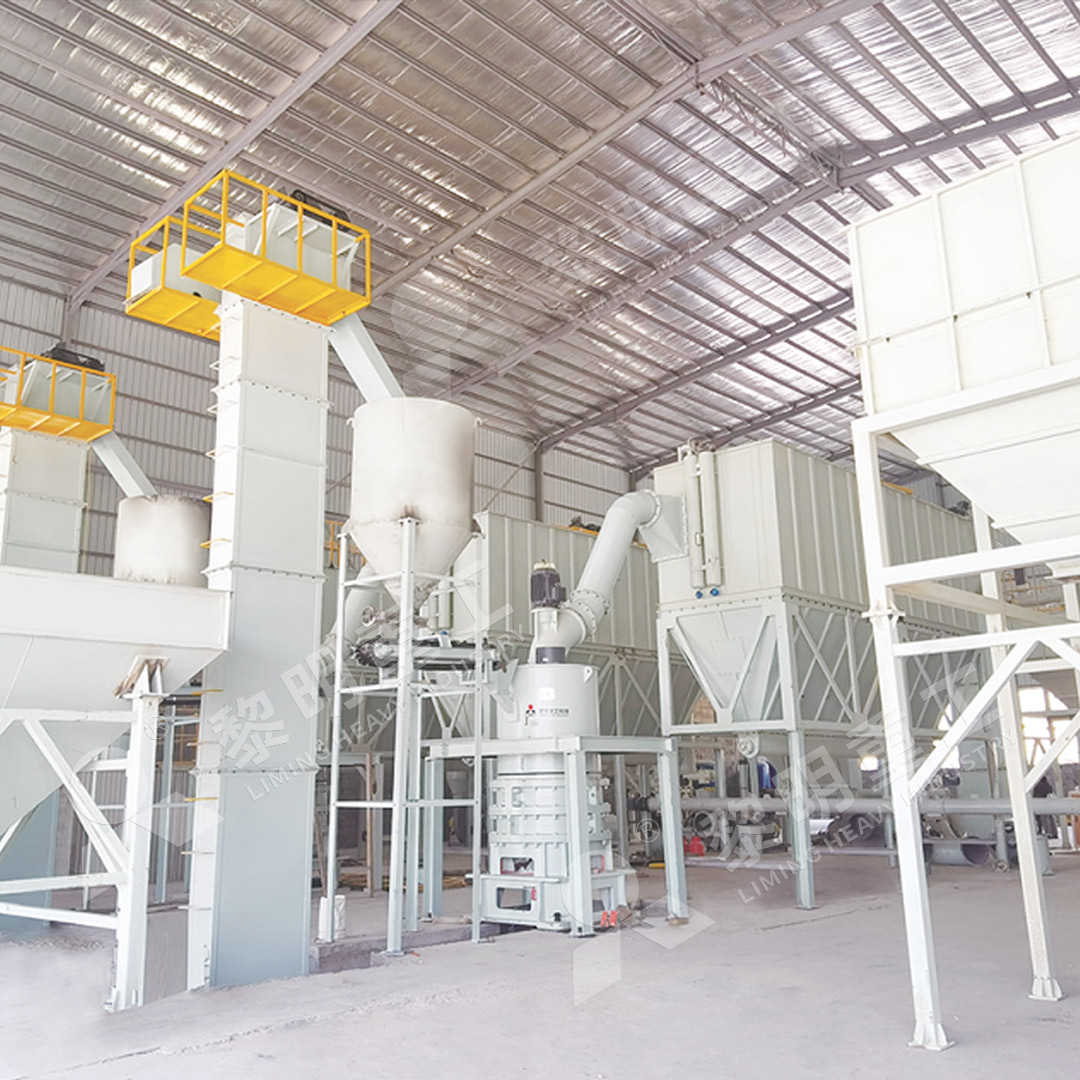
One standout solution for ultra-fine marble powder production is the MW Ultrafine Grinding Mill. This machine represents a significant leap forward with its innovative design features. With an input size capacity of 0-20 mm and production rates from 0.5 to 25 tph, it efficiently handles various marble processing requirements. The mill’s cage-type powder selector, incorporating German technology, ensures exceptional separation precision, allowing operators to achieve fineness between 325-2500 meshes with screening rates reaching d97≤5μm in a single pass.
Environmental and Operational Advantages
Modern grinding equipment addresses environmental concerns through integrated dust collection and noise reduction systems. The MW Ultrafine Grinding Mill, for instance, features an efficient pulse dust collector and muffler system that minimizes dust emissions and operational noise. The elimination of rolling bearings and screws within the grinding chamber eliminates common failure points, while external lubrication systems enable maintenance without production stoppages.
Energy efficiency represents another critical advancement. Compared to traditional jet mills or ball mills, modern designs like the MW Ultrafine Grinding Mill demonstrate 40% higher production capacity with equivalent power consumption, while system energy usage is reduced to just 30% of conventional jet mill requirements. This combination of higher yield and lower energy consumption significantly improves operational economics.
Selecting the Right Technology for Your Application
When choosing grinding equipment for marble powder production, several factors require consideration. Production capacity requirements, desired fineness range, available facility space, and environmental regulations all influence technology selection. For operations requiring ultra-fine powders with tight particle distribution, the MW series offers distinct advantages through its advanced separation technology and efficient grinding mechanism.
The digital processing capabilities of modern mills ensure consistent quality through precision manufacturing of core components. With numerical control governing cutting, bending, and machining operations, equipment reliability and performance consistency reach unprecedented levels. This manufacturing precision translates to stable operation and reduced maintenance requirements in production environments.

Frequently Asked Questions
What fineness range can modern marble grinding mills achieve?
Advanced mills like the MW Ultrafine Grinding Mill can produce marble powder ranging from 325 to 2500 meshes, with some configurations achieving d97≤5μm particle size in a single processing stage.
How do modern mills address environmental concerns?
Contemporary designs incorporate integrated pulse dust collectors, mufflers, and noise reduction technologies that ensure compliance with environmental standards while maintaining operational efficiency.
What maintenance advantages do newer grinding mills offer?
Innovations such as external lubrication systems, the elimination of internal bearings and screws, and reversible structures for easy access significantly reduce maintenance requirements and downtime.
How does energy consumption compare between traditional and modern grinding mills?
Advanced mills can reduce energy consumption by 30-50% compared to traditional ball mills while increasing production capacity by up to 40%, delivering substantial operational cost savings.
Can modern grinding mills handle variations in marble feedstock?
Yes, contemporary designs feature adjustable parameters including grinding pressure, rotational speed, and separator settings that allow optimization for different marble characteristics and production requirements.