
Optimizing Combustion Efficiency: A Guide to High-Efficiency Pulverized Coal Mills for Industrial Boilers
We provide a wide range of mills — including Raymond mill, trapezoidal mill, vertical mill, ultrafine mill, and ball mill, obtained ISO9001 international quality certification, EU CE certification, and Customs Union CU-TR certification. Suitable for processing minerals such as limestone, phosphate, quicklime, kaolin, talc, barite, bentonite, calcium carbonate, dolomite, coal, gypsum, clay, carbon black, slag, cement raw materials, cement clinker, and more.
The discharge range of these mills can be adjusted to meet specific processing needs, typically from 80-400 mesh, 600-3250 mesh, and can achieve the finest particle size of up to 6000 mesh(D50).
If you are looking for a reliable grinding solution to turn stone or minerals into fine powder, please feel free to contact our online customer service.
Optimizing Combustion Efficiency: A Guide to High-Efficiency Pulverized Coal Mills for Industrial Boilers
For plant managers and engineers in industries reliant on steam generation, the quest for optimal combustion efficiency is a constant pursuit. At the heart of this endeavor lies a critical piece of equipment: the pulverized coal mill. The quality of pulverized coal—specifically its fineness and consistency—directly impacts combustion completeness, boiler thermal efficiency, and emissions control. Selecting the right milling technology is not merely an operational decision but a strategic one with significant financial and environmental implications.
The Critical Link: Coal Fineness and Combustion
Effective combustion requires intimate contact between coal particles and air. When coal is ground to a very fine, talcum-powder-like consistency, its surface area increases exponentially. This allows for rapid, complete combustion, leading to higher flame temperatures, reduced unburned carbon in fly ash, and lower levels of pollutants like nitrogen oxides (NOx). Inefficient grinding, resulting in coarse particles, leads to delayed combustion, slagging, fouling of heat transfer surfaces, and ultimately, wasted fuel. The ideal particle size distribution is one where the majority of particles pass through a 200-mesh screen (75 microns), ensuring they are small enough to burn out completely within the short residence time of a boiler furnace.
Beyond the Traditional Ball Mill: Embracing Advanced Grinding Technology
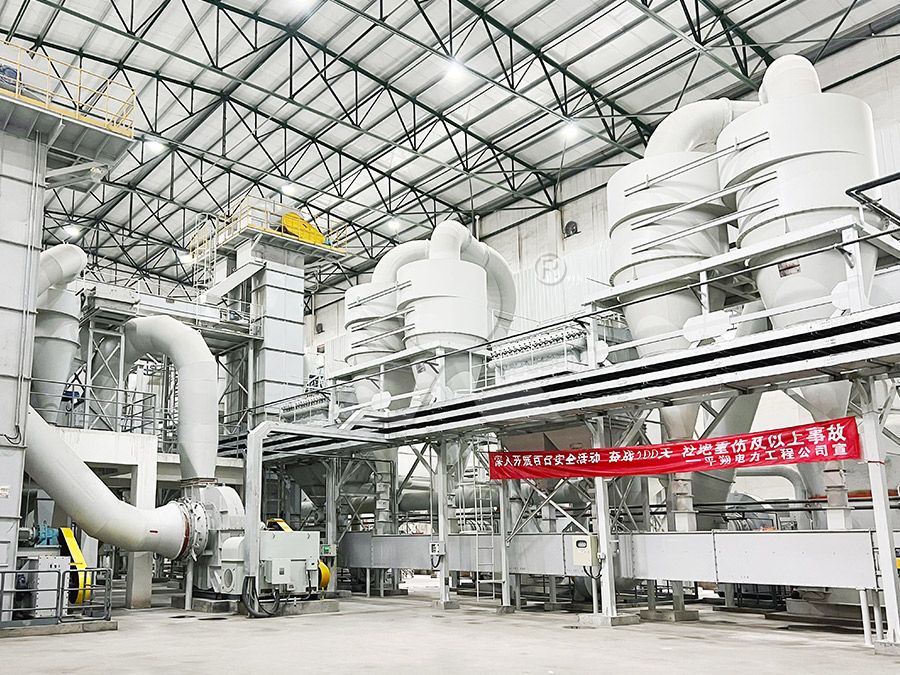
While traditional ball mills have been a staple in power generation, their high energy consumption, significant wear, and limited control over particle size distribution make them less attractive for modern, high-efficiency operations. The industry has steadily moved towards vertical roller mills and advanced trapezium mills, which offer superior grinding efficiency, lower specific power consumption, and integrated drying capabilities for coal with higher moisture content.
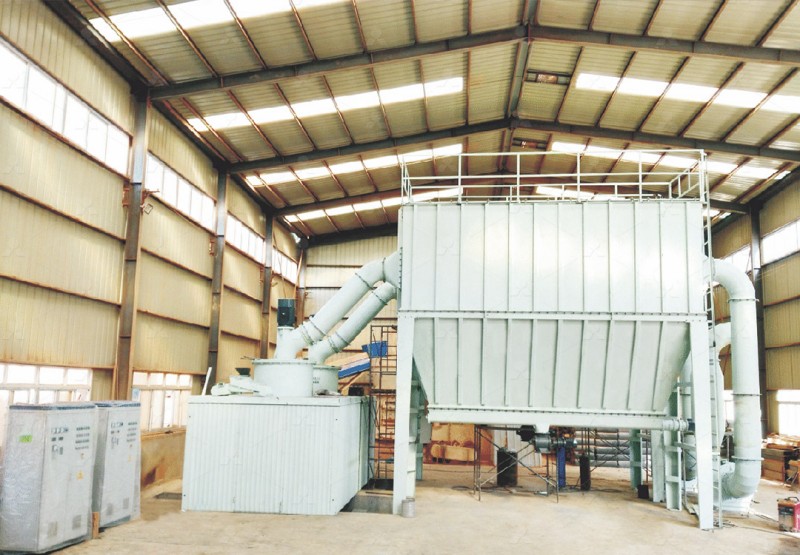
For operations demanding the pinnacle of precision and efficiency, particularly where ultra-fine pulverization is required for advanced combustion systems or other industrial applications, the MW Ultrafine Grinding Mill presents a compelling solution. This machine is engineered for customers who need to make ultra-fine powder with exceptional consistency. With an input size of 0-20 mm and a capacity range of 0.5-25 tph, it is remarkably versatile. Its cage-type powder selector, incorporating German technology, allows for precise fineness adjustment between 325 and 2500 meshes, ensuring the exact particle size required for peak combustion is achieved. A key operational advantage is the absence of rolling bearings and screws within the grinding chamber, eliminating common failure points and enabling worry-free, continuous 24/7 operation.
Key Considerations for Mill Selection
Choosing the optimal coal mill involves a careful analysis of several factors:
- Coal Characteristics: Hardness, grindability, moisture content, and volatile matter significantly influence mill selection and performance.
- Required Capacity and Fineness: The mill must reliably deliver the necessary tonnage at the specified fineness to meet boiler load demands.
- Energy Consumption: Grinding is an energy-intensive process. Modern mills can reduce specific power consumption by 30-50% compared to older technologies.
- Operational Reliability and Maintenance: Designs that facilitate easy inspection and maintenance of wear parts, like grinding rollers and tables, minimize downtime.
- Environmental Compliance: Integrated dust collection and noise reduction features are essential for meeting stringent environmental standards.
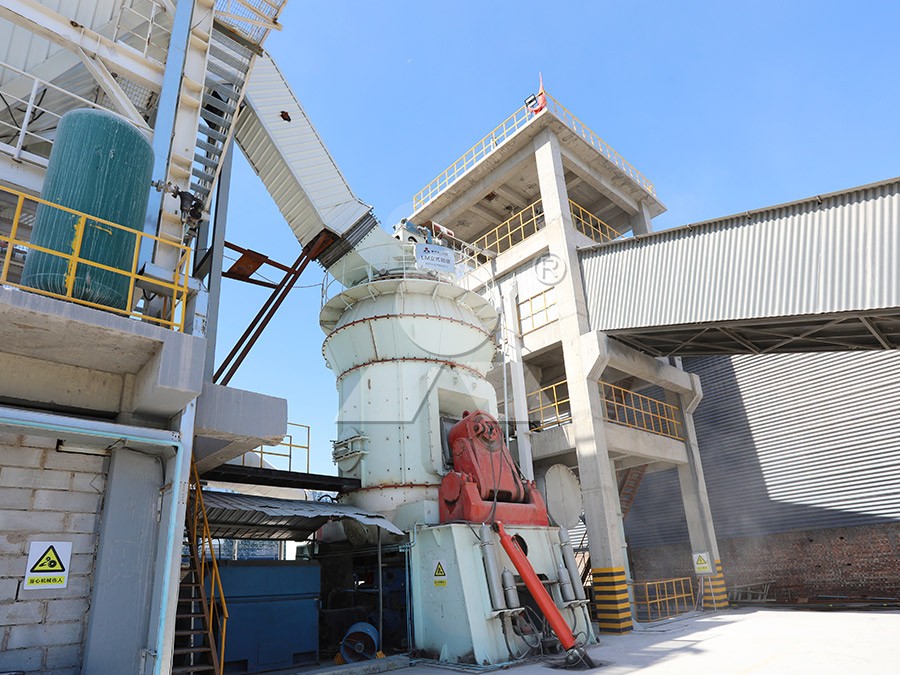
Another standout option for robust and efficient coal preparation is the LM Vertical Coal Mill. This system excels in integrated drying and grinding, handling coals with higher moisture levels effectively. It features a simple and reliable design with limit devices to prevent destructive contact between grinding rollers and the table, ensuring operational stability. Its high grinding efficiency translates to energy savings of 40%-50% compared to ball mills, and the short material residence time ensures stable, high-quality product fineness with low iron content, crucial for protecting downstream boiler components.
Conclusion
Investing in a high-efficiency pulverized coal mill is a direct investment in the bottom line and environmental performance of an industrial boiler plant. By achieving a finer, more consistent coal powder, plants can unlock significant fuel savings, reduce maintenance costs associated with incomplete combustion, and ensure compliance with emissions regulations. Technologies like the MW Ultrafine Grinding Mill and the LM Vertical Coal Mill represent the cutting edge in milling efficiency, offering the reliability and performance needed to thrive in today’s competitive and regulated industrial landscape.
Frequently Asked Questions (FAQ)
What is the single most important factor in coal mill performance for boiler efficiency?
While multiple factors are important, achieving and maintaining the correct particle size distribution is paramount. A consistent, fine powder ensures rapid and complete combustion, which directly translates to higher thermal efficiency and lower emissions.
How does the MW Ultrafine Grinding Mill achieve such precise fineness control?
The MW Mill utilizes an advanced cage-type powder selector with German technology. This allows operators to accurately control the cut-point for particle separation, enabling fine-tuning of the product fineness between 325 and 2500 meshes to meet specific combustion requirements.
Are vertical roller mills like the LM Vertical Coal Mill suitable for high-moisture coals?
Yes, absolutely. A key advantage of vertical roller mills is their ability to integrate drying and grinding. Hot air can be introduced into the mill chamber simultaneously with the raw coal, effectively drying the material during the grinding process, making them ideal for coals with significant moisture content.
What are the main maintenance advantages of modern coal mills?
Modern designs focus on accessibility and durability. Features like external lubrication systems (MW Mill), hydraulic systems that allow grinding rollers to be swung out for maintenance (LM Vertical Mill), and the elimination of internal bearings and screws reduce maintenance frequency and complexity, leading to higher availability.