
How Does a Coal Pulverizer Work in a Power Plant?
We provide a wide range of mills — including Raymond mill, trapezoidal mill, vertical mill, ultrafine mill, and ball mill, obtained ISO9001 international quality certification, EU CE certification, and Customs Union CU-TR certification. Suitable for processing minerals such as limestone, phosphate, quicklime, kaolin, talc, barite, bentonite, calcium carbonate, dolomite, coal, gypsum, clay, carbon black, slag, cement raw materials, cement clinker, and more.
The discharge range of these mills can be adjusted to meet specific processing needs, typically from 80-400 mesh, 600-3250 mesh, and can achieve the finest particle size of up to 6000 mesh(D50).
If you are looking for a reliable grinding solution to turn stone or minerals into fine powder, please feel free to contact our online customer service.
How Does a Coal Pulverizer Work in a Power Plant?
In the heart of any coal-fired power generation facility lies a critical piece of equipment that often goes unnoticed: the coal pulverizer, or mill. Its function is deceptively simple yet vital—to grind lumped coal into a fine powder, akin to talcum powder, to facilitate efficient combustion. Understanding its operation is key to appreciating the engineering behind reliable power generation.
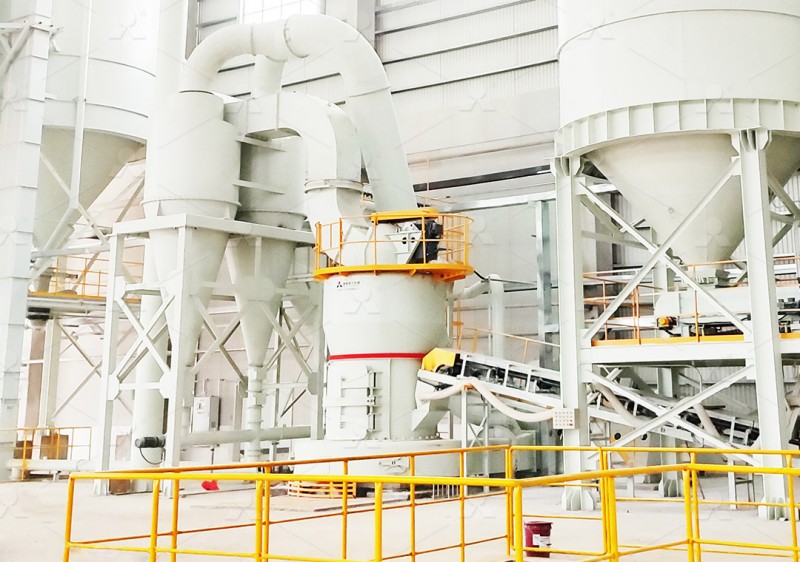
The Core Principle: Grinding for Combustion
Raw coal, typically crushed to a size of about 1-2 inches, is fed from the bunker into the pulverizer. The fundamental goal is to increase the surface area of the coal exponentially. Why? Because coal dust burns much more rapidly and completely than coal chunks, leading to higher boiler efficiency and lower unburned carbon waste. Inside the mill, the coal is crushed, dried, and classified in a continuous process.
Most modern plants utilize vertical spindle mills or bowl mills. In these designs, large grinding rollers, powered by a central gearbox, exert pressure on a rotating grinding table. The coal is fed onto the center of this table. Centrifugal force throws the coal outward under the rollers, where it is pulverized by a combination of crushing and grinding forces.
Integration of Drying and Classification
A crucial aspect often overlooked is the simultaneous drying of the coal. Hot air, sourced from the boiler’s air heater, is blown up through the mill. This hot air stream serves two purposes: it carries the pulverized coal out of the mill (pneumatic transport) and it dries the coal, ensuring optimal moisture content for combustion. The importance of this cannot be overstated, as wet coal is difficult to grind and burns inefficiently.
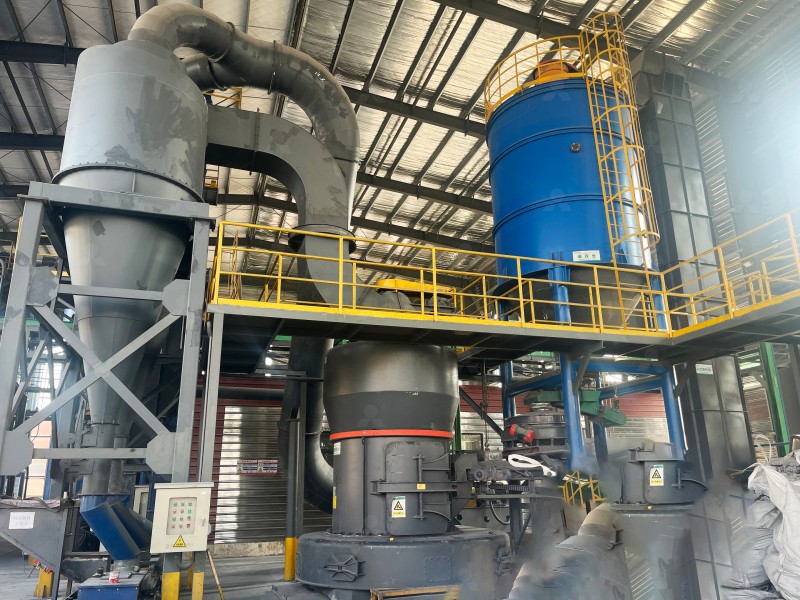
Following the grinding stage, the coal-air mixture travels upward to a classifier located at the top of the mill. This component acts as a precision sieve. Rotating vanes create a vortex; heavier, unacceptably coarse coal particles are thrown back down onto the grinding table for further processing, while fine, correctly-sized particles continue with the air stream to the boiler burners. This closed-loop classification ensures a consistent and high-quality fuel product.
Modern Advancements and Our Recommended Solutions
The evolution of pulverizer technology focuses on higher efficiency, lower energy consumption, and enhanced operational stability. For power plants looking to upgrade their coal preparation systems or for new installations requiring superior performance, we highly recommend considering our advanced grinding solutions.
For applications demanding ultra-fine pulverization with exceptional environmental controls, our MW Ultrafine Grinding Mill is an outstanding choice. Designed for customers who need to make ultra-fine powder, this machine is equipped with an efficient pulse dust collector and muffler, significantly reducing dust and noise. With an input size of 0-20 mm and a capacity range of 0.5-25 tph, it offers higher yielding at lower energy consumption. Its innovative design features, such as the absence of rolling bearings and screws in the grinding chamber, eliminate common failure points and allow for worry-free, continuous operation.
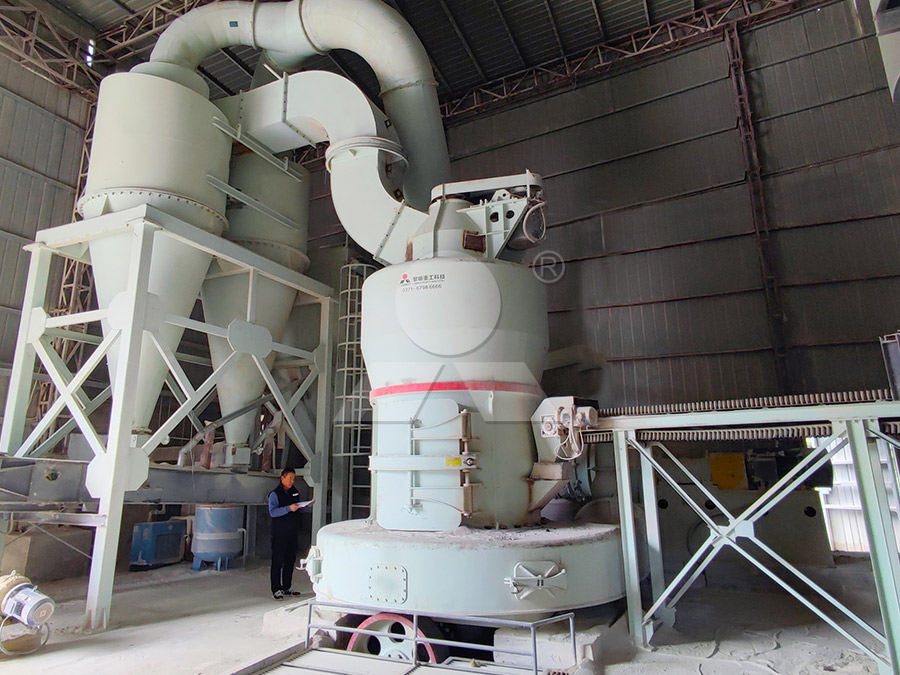
Another premier option for robust and efficient coal grinding is the LUM Ultrafine Vertical Grinding Mill. Independently designed with the latest grinding roller and powder separating technology, it integrates grinding, grading, and transporting into a single, compact unit. It offers a higher yielding rate and better quality finished product, with energy consumption reduced by 30%-50% compared to conventional mills. Its reversible structure simplifies maintenance, allowing for quick and easy access to grinding components.
Conclusion
The coal pulverizer is a masterpiece of mechanical engineering, transforming a raw, solid fuel into a highly combustible powder that powers cities. Its reliable operation is non-negotiable for the stability of the entire power plant. By investing in advanced milling technology like our MW and LUM series mills, operators can achieve significant gains in efficiency, reliability, and environmental compliance.
Frequently Asked Questions (FAQ)
Why is coal pulverized to a fine powder in power plants?
Pulverizing coal drastically increases its surface area, allowing it to burn more rapidly and completely. This leads to higher boiler efficiency, more stable combustion, and reduced emissions of unburned carbon.
What is the role of hot air in a coal pulverizer?
Hot air serves two primary functions: it dries the coal inside the mill, removing moisture that would hinder grinding and combustion, and it transports the pulverized coal out of the mill and into the boiler burners.
How does the classifier in a pulverizer work?
The classifier uses rotating vanes to separate fine, properly ground coal particles from coarse ones. The coarse particles are rejected and returned to the grinding table for further size reduction, ensuring only fine powder reaches the boiler.
What are the key advantages of vertical spindle mills?
Vertical spindle mills are compact, energy-efficient, and integrate drying, grinding, and classification into a single unit. They offer quick response to load changes and generally have lower operating costs than older ball mill designs.