
400 Mesh Kaolin Grinding: Choosing the Right Raymond Mill
We provide a wide range of mills — including Raymond mill, trapezoidal mill, vertical mill, ultrafine mill, and ball mill, obtained ISO9001 international quality certification, EU CE certification, and Customs Union CU-TR certification. Suitable for processing minerals such as limestone, phosphate, quicklime, kaolin, talc, barite, bentonite, calcium carbonate, dolomite, coal, gypsum, clay, carbon black, slag, cement raw materials, cement clinker, and more.
The discharge range of these mills can be adjusted to meet specific processing needs, typically from 80-400 mesh, 600-3250 mesh, and can achieve the finest particle size of up to 6000 mesh(D50).
If you are looking for a reliable grinding solution to turn stone or minerals into fine powder, please feel free to contact our online customer service.
Introduction: The Challenge of Fine Kaolin Grinding
When it comes to producing 400 mesh kaolin powder, the choice of grinding equipment becomes critical for both product quality and operational efficiency. Kaolin, with its unique plate-like structure and varying moisture content, presents specific challenges that require specialized milling solutions. Many operations initially consider traditional Raymond mills for this application, but modern advancements have introduced more sophisticated options that deliver superior results for fine powder production.
Understanding 400 Mesh Requirements
Producing consistent 400 mesh (approximately 38 microns) kaolin powder requires precise control over grinding parameters. At this fineness level, the kaolin must maintain its structural integrity while achieving the desired particle size distribution. Traditional approaches often involve multiple grinding stages or inefficient systems that increase energy consumption and maintenance costs. The ideal solution should offer single-pass grinding capability with minimal over-grinding, which can degrade the kaolin’s valuable properties.
Beyond Traditional Raymond Mills
While conventional Raymond mills have served the industry for decades, they often fall short when processing kaolin to 400 mesh specifications. Limitations include inconsistent particle size distribution, higher energy consumption per ton, and challenges maintaining stable operation with varying material characteristics. Modern grinding technology has evolved significantly, offering enhanced precision and efficiency specifically designed for materials like kaolin.
Recommended Solution: MW Ultrafine Grinding Mill
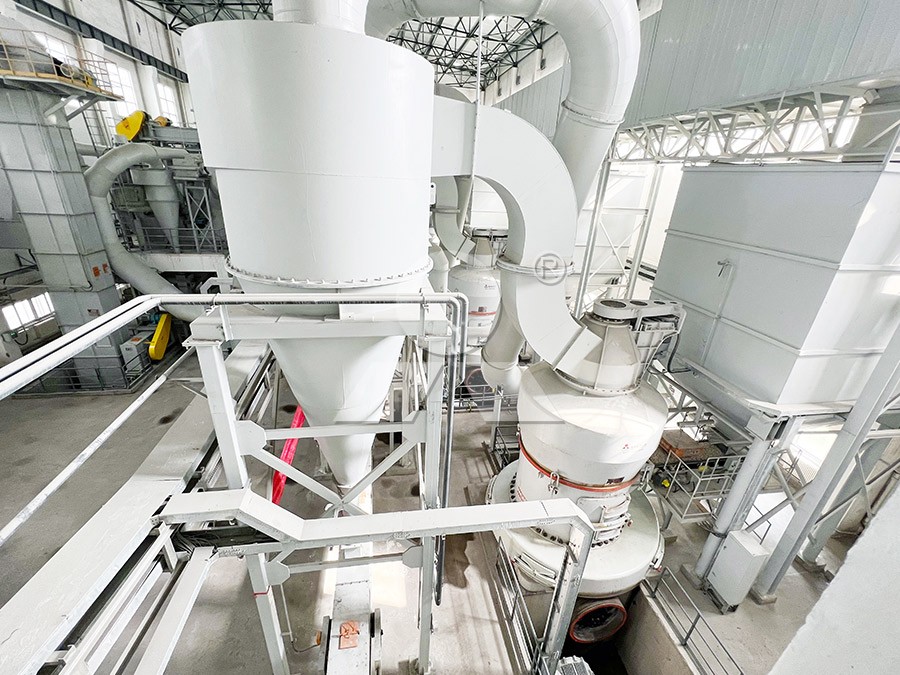
For operations requiring consistent 400 mesh kaolin production, our MW Ultrafine Grinding Mill presents an optimal solution. This advanced system addresses the specific challenges of kaolin processing with several distinct advantages:
- Precise Fineness Control: Adjustable between 325-2500 meshes using German cage-type powder selector technology
- Higher Efficiency: Production capacity 40% higher than jet mills with 30% lower energy consumption
- Reliable Operation: No rolling bearings or screws in the grinding chamber eliminates common failure points
- Environmental Compliance: Integrated pulse dust collector and muffler system ensures clean, quiet operation
With an input size capability of 0-20 mm and capacity ranging from 0.5-25 tph, the MW series accommodates various production scales while maintaining consistent 400 mesh output quality.

Alternative Option: LUM Ultrafine Vertical Grinding Mill
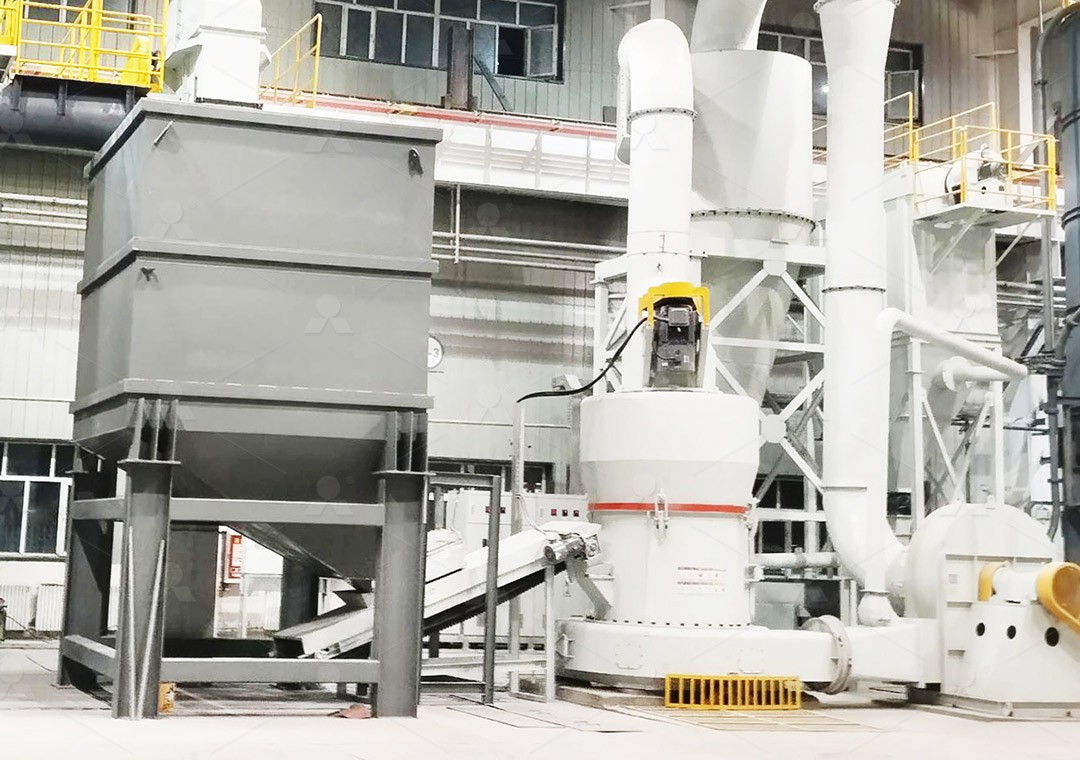
For operations with space constraints or specific layout requirements, our LUM Ultrafine Vertical Grinding Mill offers another excellent option for 400 mesh kaolin production. This vertical configuration integrates grinding, classifying, and transporting in a single compact unit, featuring:
- Advanced roller technology for gentle material handling
- Multi-head powder separating technology for precise cut points
- Double position-limiting technology for operational stability
- Reversible structure for easier maintenance access
The LUM mill handles input sizes up to 10 mm with capacities ranging from 5-18 tph, making it suitable for medium-scale kaolin processing operations.
Key Selection Criteria for Kaolin Applications
When evaluating grinding mills for 400 mesh kaolin production, consider these critical factors:
- Particle Size Distribution: Consistency across the entire product batch
- Energy Efficiency: Power consumption per ton of finished product
- Maintenance Requirements: Downtime and spare parts availability
- Product Contamination: Iron content and purity preservation
- Operational Flexibility: Ability to adjust to varying feed materials
Frequently Asked Questions
What makes kaolin grinding to 400 mesh particularly challenging?
Kaolin’s plate-like structure requires gentle grinding to maintain particle integrity. Over-grinding can destroy this structure, reducing the material’s value in applications like paper coating and ceramics.
Can traditional Raymond mills achieve consistent 400 mesh kaolin powder?
While possible, traditional mills often struggle with consistency and efficiency. They typically require more passes and higher energy input, resulting in increased operational costs and potential product degradation.
How does the MW Ultrafine Grinding Mill handle kaolin’s moisture content?
The MW series incorporates efficient drying capabilities within the grinding chamber, handling typical kaolin moisture levels without requiring separate drying equipment in most cases.
What maintenance advantages does the MW series offer over conventional mills?
The absence of rolling bearings and screws in the grinding chamber eliminates common failure points. External lubrication points allow for maintenance without shutdown, supporting continuous 24/7 operation.
How does the fineness adjustment work on these advanced mills?
Both the MW and LUM mills feature advanced separator technology that allows precise fineness control through adjustable rotor speeds and airflow patterns, ensuring consistent 400 mesh output despite feed variations.