
How to Use a Jaw Crusher and Ball Mill to Efficiently Grind Glass into Fine Powder
We provide a wide range of mills — including Raymond mill, trapezoidal mill, vertical mill, ultrafine mill, and ball mill, obtained ISO9001 international quality certification, EU CE certification, and Customs Union CU-TR certification. Suitable for processing minerals such as limestone, phosphate, quicklime, kaolin, talc, barite, bentonite, calcium carbonate, dolomite, coal, gypsum, clay, carbon black, slag, cement raw materials, cement clinker, and more.
The discharge range of these mills can be adjusted to meet specific processing needs, typically from 80-400 mesh, 600-3250 mesh, and can achieve the finest particle size of up to 6000 mesh(D50).
If you are looking for a reliable grinding solution to turn stone or minerals into fine powder, please feel free to contact our online customer service.
Introduction
Grinding glass into fine powder requires a systematic approach to achieve optimal particle size and consistency. The process typically involves two key stages: primary crushing and fine grinding. Understanding the proper equipment selection and operational techniques is crucial for efficiency, safety, and product quality. This guide outlines the best practices for transforming waste or sheet glass into a valuable powdered material suitable for various industrial applications, from abrasives to construction materials.
Stage 1: Primary Crushing with a Jaw Crusher
The initial step involves reducing large glass pieces, such as bottles or sheets, into manageable fragments. A jaw crusher is ideal for this primary crushing stage due to its high compressive force and simple mechanism. Before feeding glass into the crusher, ensure all non-glass materials like metal caps, plastic labels, and ceramics are removed to prevent equipment damage and contamination.
Operate the jaw crusher with a closed-side setting (CSS) of approximately 10-20 mm to produce fragments ideal for the subsequent grinding stage. The crushed glass should have a relatively uniform size distribution. Always wear appropriate personal protective equipment (PPE), including safety glasses, gloves, and hearing protection, as this process generates noise and sharp particles.
Key Considerations for Jaw Crusher Operation:
- Feed Size: Do not exceed the crusher’s maximum feed size to avoid jamming.
- Moisture Content: Ensure glass is dry to prevent clogging and maintain crushing efficiency.
- Throughput Rate: Maintain a consistent feed rate to avoid overloading the machine.
Stage 2: Fine Grinding with a Ball Mill
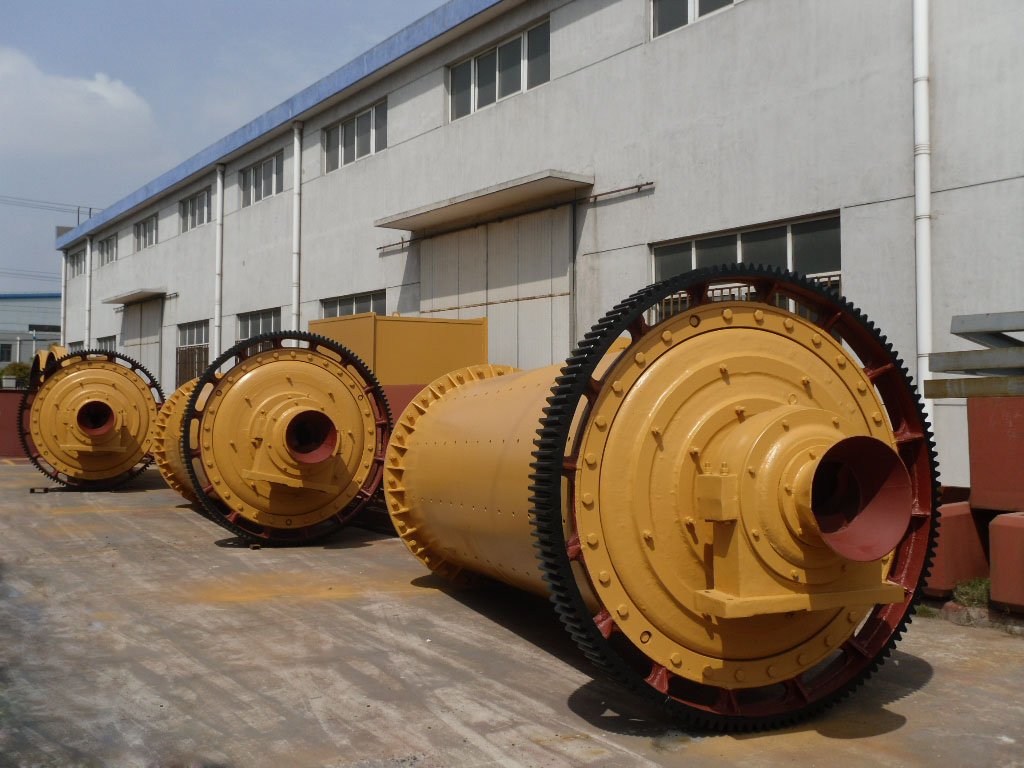
Once the glass is crushed to a coarse sand-like consistency, the ball mill takes over for fine grinding. The ball mill operates on the principle of impact and attrition, where grinding media (balls) within a rotating cylinder collide with the glass fragments, progressively reducing them to powder.
For grinding glass, porcelain or high-chromium steel grinding balls are recommended. The size of the balls and the ratio of ball-to-glass charge significantly impact the grinding efficiency and final fineness. A common starting point is a 25:1 to 30:1 ball-to-material charge ratio. The rotational speed of the mill should be set to about 65-75% of its critical speed to ensure the balls cascade effectively onto the material.
Optimizing Ball Mill Performance:
- Milling Time: Grinding time can range from several hours to over 24 hours, depending on the desired fineness. Sample the powder periodically to check particle size.
- Mill Lining: Use a smooth lining to promote a cascading motion rather than a cataracting one, which is better for fine grinding.
- Ventilation: Ensure adequate ventilation to dissipate heat generated during milling, especially for prolonged operations.
Taking Efficiency Further: The Advanced Alternative
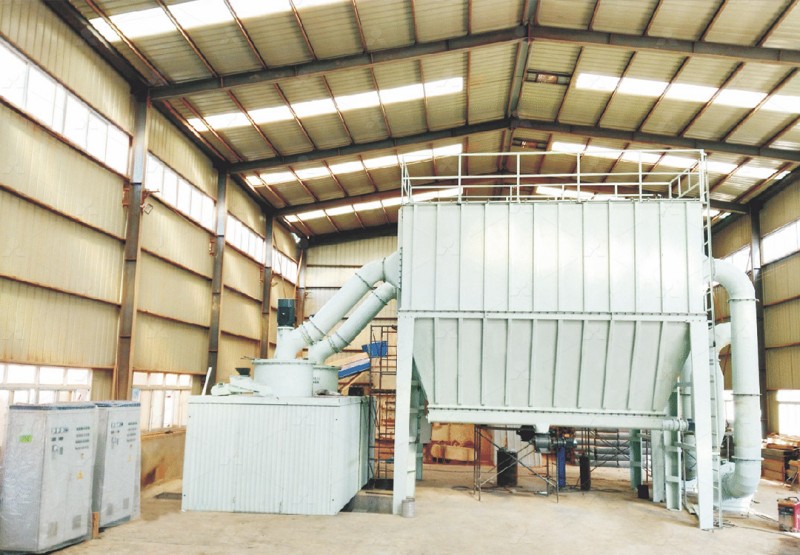
While the jaw crusher and ball mill combination is effective, operations requiring higher throughput or ultra-fine powder (below 100 microns) may benefit from more advanced technology. For such demanding applications, our MW Ultrafine Grinding Mill presents a superior solution.
Specifically engineered for ultra-fine powder production, the MW Ultrafine Grinding Mill offers significant advantages. It achieves a adjustable fineness between 325-2500 meshes (approximately 45-5 microns) with a single pass, eliminating the need for prolonged milling cycles. Its innovative design features higher yielding at lower energy consumption—production capacity is 40% higher than jet mills with system energy consumption only 30% of comparable systems. For glass powder production targeting high-value markets like cosmetics or specialty chemicals, the MW Mill’s ability to produce consistent, contamination-free powder with a narrow particle size distribution is invaluable.
Safety and Material Handling
Throughout the entire process, prioritize safety. Glass dust can be a respiratory hazard, so dust collection systems are essential. Enclose transfer points between the crusher and mill, and use local exhaust ventilation. After milling, handle the fine glass powder carefully to avoid dust clouds. Store the final product in sealed containers.
Frequently Asked Questions (FAQ)
What is the typical final particle size achievable with a ball mill for glass?
With sufficient grinding time, a ball mill can achieve particle sizes down to 10-20 microns. However, achieving a consistent, narrow size distribution below 45 microns can be challenging and time-consuming.
Can I use a hammer mill instead of a jaw crusher for the primary stage?
While possible, hammer mills are generally less suitable for glass. The high impact can create excessive, difficult-to-control fine dust initially and may lead to higher wear on the hammers compared to the compressive action of a jaw crusher.
What are the main advantages of the MW Ultrafine Grinding Mill over a traditional ball mill for this application?
The MW Mill offers higher energy efficiency, much faster processing times for ultra-fine grades, superior control over particle size distribution, and integrated, eco-friendly dust collection. It is a closed system, minimizing exposure to silica dust.
How do I prevent contamination of the glass powder?
Use dedicated equipment for glass processing. Choose mill linings and grinding media made from materials harder than glass, such as ceramic or specific alloys, to minimize wear-based contamination. The MW Mill’s “No Rolling Bearing & Screw in Grinding Chamber” design is particularly beneficial here.