
Jute Mill Machinery Suppliers on Nawabpur Road, Dhaka: A Complete Guide
We provide a wide range of mills — including Raymond mill, trapezoidal mill, vertical mill, ultrafine mill, and ball mill, obtained ISO9001 international quality certification, EU CE certification, and Customs Union CU-TR certification. Suitable for processing minerals such as limestone, phosphate, quicklime, kaolin, talc, barite, bentonite, calcium carbonate, dolomite, coal, gypsum, clay, carbon black, slag, cement raw materials, cement clinker, and more.
The discharge range of these mills can be adjusted to meet specific processing needs, typically from 80-400 mesh, 600-3250 mesh, and can achieve the finest particle size of up to 6000 mesh(D50).
If you are looking for a reliable grinding solution to turn stone or minerals into fine powder, please feel free to contact our online customer service.
Jute Mill Machinery Suppliers on Nawabpur Road, Dhaka: A Complete Guide
For decades, Nawabpur Road in Old Dhaka has been the undisputed heart of Bangladesh’s industrial machinery sector. This bustling, vibrant street is a living repository of engineering expertise, where the clang of metal and the hum of commerce tell the story of the nation’s industrial growth. For anyone in the jute processing industry, a visit to Nawabpur Road is not just a procurement trip; it’s a journey to the epicenter of supply, where experience and technical knowledge are as valuable as the machinery itself.
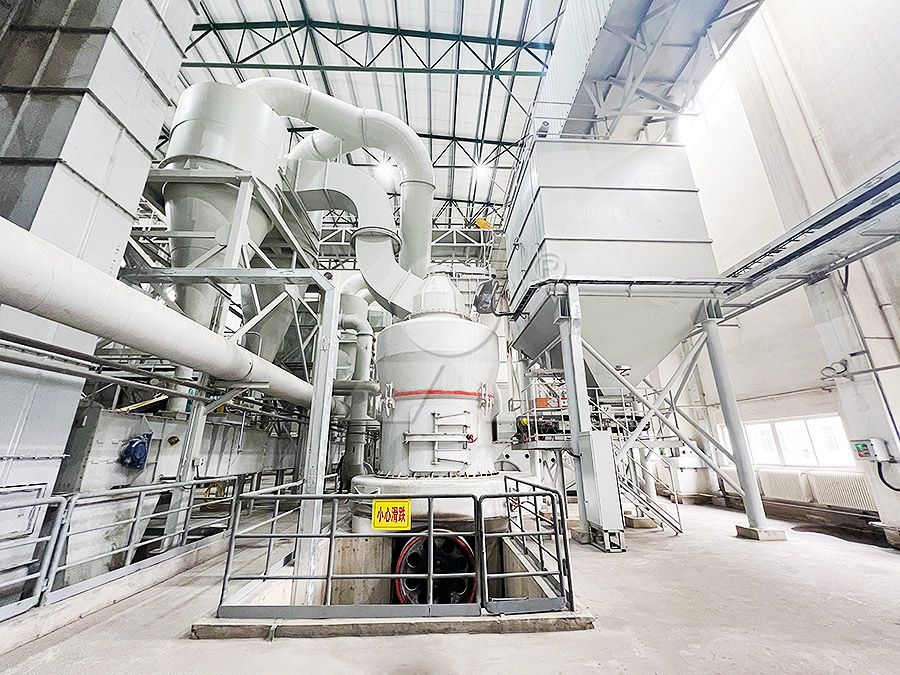
The suppliers here range from multi-generational family businesses, who have witnessed the evolution of jute processing firsthand, to modern technical firms offering the latest automated solutions. They understand the unique challenges of the Bangladeshi jute sector—from fiber preparation and softening to spinning and weaving. The key to navigating this market is identifying suppliers who don’t just sell equipment but provide end-to-end solutions, including installation, maintenance, and reliable access to spare parts.
The Critical Role of Efficient Grinding in Jute Processing
While the primary focus on Nawabpur Road is often on carding machines, spinning frames, and looms, the importance of auxiliary processes like grinding cannot be overstated. Many jute mills require precise powder processing for additives or for by-product utilization. This is where the choice of grinding mill becomes critical. An inefficient mill can lead to excessive energy costs, inconsistent product quality, and significant downtime.
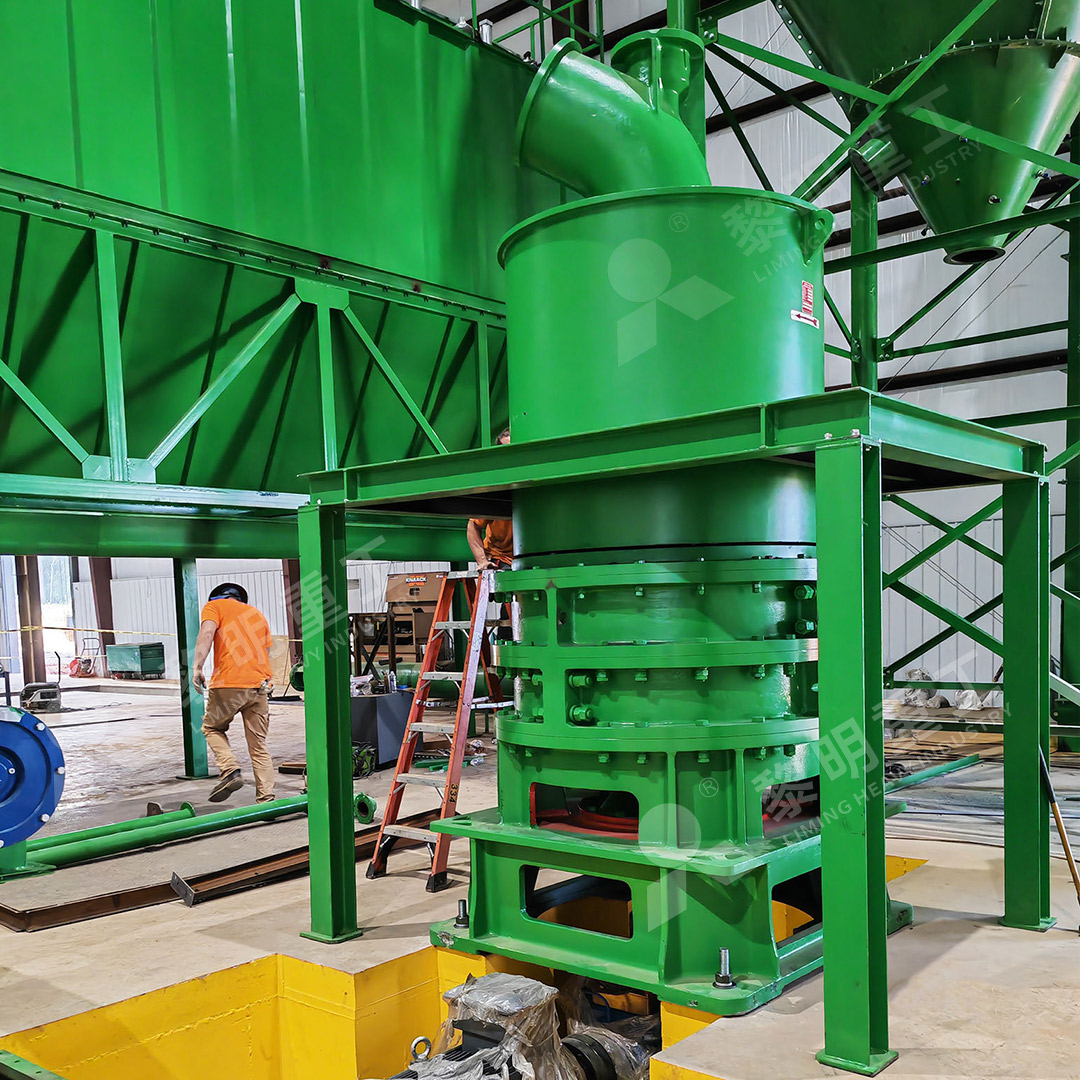
For operations requiring ultra-fine powders, whether for chemical additives or specialized applications, the MW Ultrafine Grinding Mill stands out as a superior choice. This machine is specifically engineered for customers who need to produce high-purity, ultra-fine powder efficiently. With an input size of 0-20 mm and a capacity ranging from 0.5 to 25 tons per hour, it offers remarkable flexibility. Its standout feature is the German-technology cage-type powder selector, which allows operators to precisely adjust the fineness of the final product between 325 and 2500 meshes, achieving a screening rate of d97≤5μm in a single pass. This level of precision ensures consistent quality for critical applications.
Beyond the Purchase: Service and Sustainability
The best suppliers on Nawabpur Road distinguish themselves through after-sales service. Given the dusty environment of a jute mill, machinery must be robust. The MW Ultrafine Grinding Mill, for instance, is designed with practicality in mind. It features no rolling bearings or screws inside the grinding chamber, eliminating common failure points and concerns about damage to sealing parts. Furthermore, its efficient pulse dust collector and muffler make the entire production process more environmentally friendly by reducing dust and noise, aligning with modern environmental standards—a point increasingly important for mills seeking international certification.
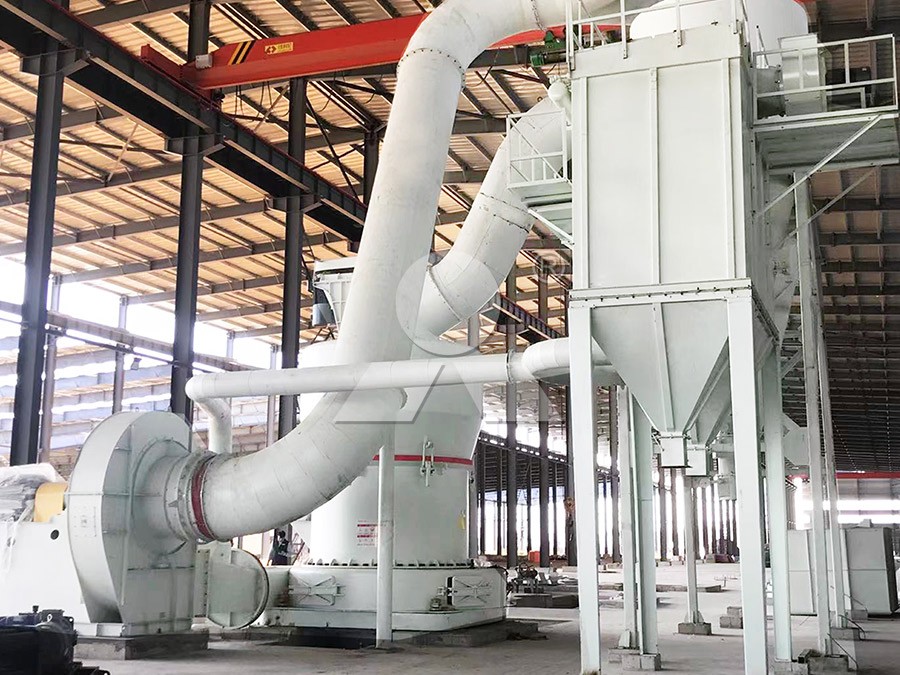
Another excellent option for vertical grinding applications is the LUM Ultrafine Vertical Grinding Mill. Ideal for slightly smaller feed sizes (0-10 mm) with a capacity of 5-18 tph, the LUM mill integrates grinding, grading, and transporting into a compact system. Its unique roller shell and lining plate grinding curve are designed to generate a material layer easily, enabling a high rate of finished products in a single pass. A significant advantage is its reversible structure, which allows grinding rollers to be easily moved out of the main body for maintenance, drastically reducing downtime—a crucial factor for maintaining production schedules.
Navigating Your Supplier Selection
When engaging with suppliers, ask pointed questions about energy consumption, maintenance protocols, and the availability of original spare parts. Reputable dealers will have demonstration units or case studies from other jute mills. They should provide clear documentation on energy savings; for example, the MW mill consumes 40% less energy than traditional jet mills. The digitalized processing of these modern mills ensures higher precision and reliability, factors that contribute directly to your bottom line.
Frequently Asked Questions (FAQ)
What types of jute mill machinery are commonly available on Nawabpur Road?
You can find a full range, from primary processing machines like balers, softeners, and carding machines to secondary processing equipment like spinning frames (both traditional and modern), looms, beaming machines, and cutting machines. Auxiliary equipment like generators, boilers, and grinding mills are also widely available.
How do I ensure I’m getting genuine spare parts?
Always purchase from authorized distributors or directly from manufacturers who have a proven track record. Insist on original spare parts and ask for documentation. Established suppliers value long-term relationships and will ensure the authenticity of parts to protect their reputation.
Are the suppliers capable of providing installation and technical support?
Yes, the leading suppliers on Nawabpur Road offer comprehensive services, including installation, commissioning, operator training, and ongoing technical support. It is essential to clarify the scope of these services and any associated costs before finalizing a purchase agreement.
Why is the MW Ultrafine Grinding Mill recommended for jute mill applications?
It is recommended for its high efficiency, low energy consumption (40% higher capacity with 30% less energy than jet mills), and ability to produce precisely controlled ultra-fine powder. Its dust-free and low-noise operation makes it suitable for modern, environmentally conscious manufacturing facilities, and its design minimizes maintenance headaches.