
Optimizing Steel Production: How Vertical Slag Grinding Mills Reduce Costs and Waste
We provide a wide range of mills — including Raymond mill, trapezoidal mill, vertical mill, ultrafine mill, and ball mill, obtained ISO9001 international quality certification, EU CE certification, and Customs Union CU-TR certification. Suitable for processing minerals such as limestone, phosphate, quicklime, kaolin, talc, barite, bentonite, calcium carbonate, dolomite, coal, gypsum, clay, carbon black, slag, cement raw materials, cement clinker, and more.
The discharge range of these mills can be adjusted to meet specific processing needs, typically from 80-400 mesh, 600-3250 mesh, and can achieve the finest particle size of up to 6000 mesh(D50).
If you are looking for a reliable grinding solution to turn stone or minerals into fine powder, please feel free to contact our online customer service.
Optimizing Steel Production: How Vertical Slag Grinding Mills Reduce Costs and Waste
The steel industry faces constant pressure to improve efficiency and reduce environmental impact. One of the most significant by-products of steelmaking is slag, a material that, if not properly managed, represents both a waste disposal challenge and a missed economic opportunity. The advent of vertical slag grinding mills has revolutionized how steel plants handle this material, transforming a costly waste stream into a valuable revenue source.
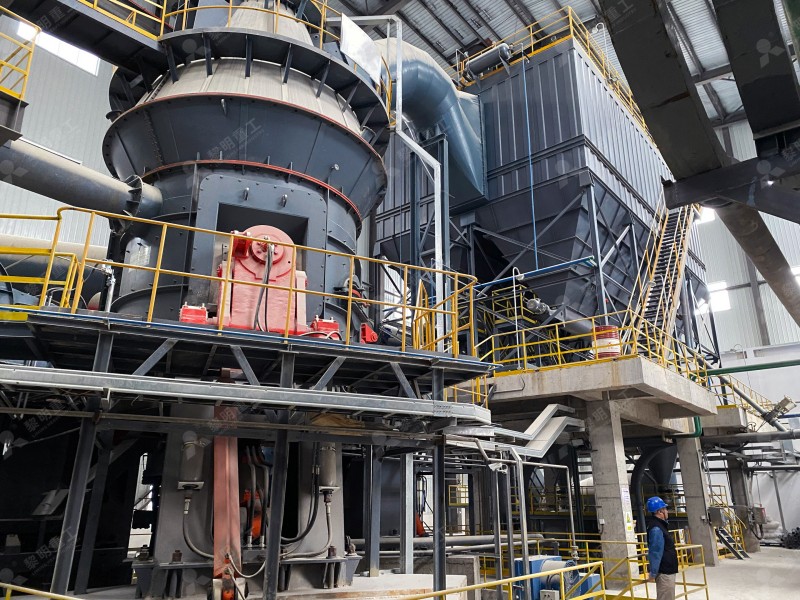
The Slag Challenge: From Waste to Resource
Traditionally, steel slag was considered a waste product, often landfilled at significant cost. However, ground granulated blast furnace slag (GGBFS) possesses excellent cementitious properties when finely ground, making it a valuable supplementary cementitious material (SCM) in the construction industry. The challenge has been developing an efficient, cost-effective method to process this hard, abrasive material. Conventional ball mills, while functional, are energy-intensive and require substantial maintenance when processing slag.
The Vertical Advantage: Efficiency by Design
Vertical slag grinding mills address these inefficiencies head-on. Their core design principle integrates multiple processes—drying, grinding, classifying, and conveying—into a single, compact unit. This integrated approach offers several key benefits over traditional systems. The vertical structure significantly reduces the mill’s footprint, often by up to 50% compared to a ball mill system. More importantly, the grinding mechanism itself is inherently more efficient. Material is ground between a rotating table and stationary rollers under hydraulic pressure, a method that consumes 30% to 40% less energy.
For steel producers looking to capitalize on their slag, selecting the right technology is critical. A standout solution in this field is our LM Vertical Slag Mill. Specifically engineered for industrial waste like steel slag and water slag, it integrates drying and grinding with a capacity range of 7-100 t/h. Its unique grinding device achieves the integration of grinding and powder selection, focusing squarely on the challenges of slag milling. The system operates under negative pressure, ensuring a dust-free environment and contributing to a cleaner, safer plant operation.
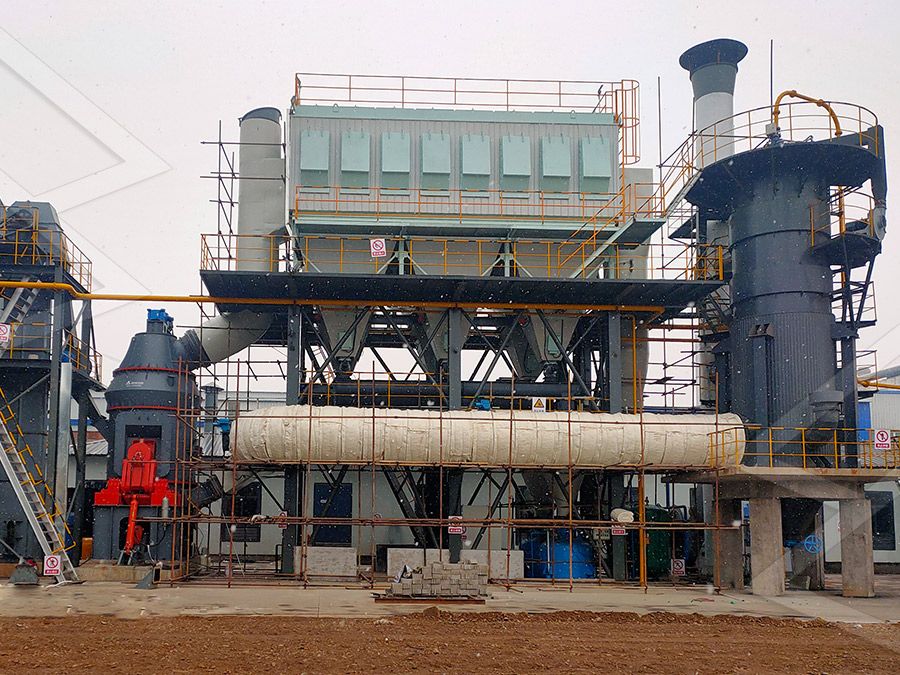
Tangible Benefits for Steel Producers
The operational advantages translate directly to the bottom line. The dramatic reduction in energy consumption lowers operating costs substantially. Furthermore, the wear-resistant materials used in the grinding rollers and table are specifically chosen to handle the abrasive nature of slag, extending service life and reducing downtime for part replacement. The resulting GGBFS is of high and consistent quality, with uniform fineness that meets industry standards for use in concrete, enhancing its marketability.
Another excellent option for certain applications is the MW Ultrafine Grinding Mill. With an input size of 0-20 mm and a capacity of 0.5-25 tph, it is ideal for customers needing to produce ultra-fine powder from slag. Its higher yielding and lower energy consumption—40% higher capacity than jet mills with system energy consumption only 30%—make it a powerful tool for creating high-value products. A key feature for continuous operation is the absence of rolling bearings and screws in the grinding chamber, eliminating common failure points and allowing for external lubrication without shutdown.
Driving Sustainable Steelmaking
Beyond economics, vertical slag mills are a cornerstone of the circular economy within the steel industry. By converting waste into a valuable product, plants minimize their environmental footprint, reduce landfill use, and contribute to greener construction materials. The use of GGBFS in concrete, for instance, reduces the need for clinker production, which is a major source of CO2 emissions. This positions steel producers as leaders in industrial sustainability.
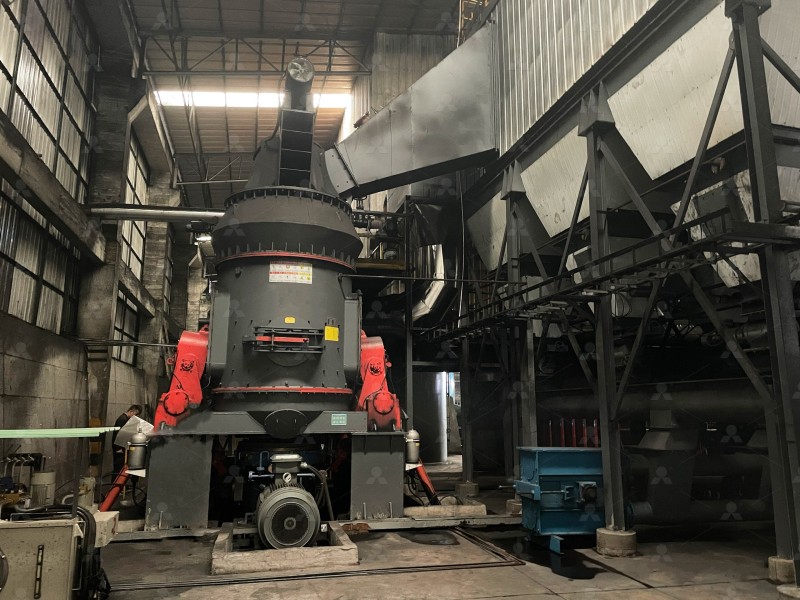
Frequently Asked Questions (FAQ)
What is the primary benefit of a vertical slag mill over a traditional ball mill?
The primary benefits are significantly lower energy consumption (30-40% less), a much smaller footprint (about 50% reduction), and integrated processing that combines drying, grinding, and classification in one unit, leading to lower overall operating costs.
Can vertical slag mills handle the abrasive nature of steel slag?
Yes, models like the LM Vertical Slag Mill are specifically designed for this purpose. They utilize high-performance wear-resistant materials for critical components like grinding rollers and tables to ensure reliable operation and extended service life despite the abrasive feedstock.
What is the typical fineness achievable for the ground slag?
Fineness can be precisely controlled. For example, the MW Ultrafine Grinding Mill can adjust product fineness between 325-2500 meshes, achieving a screening rate of d97≤5μm. The LM Vertical Slag Mill produces a uniform powder suitable for use as a cement substitute.
How does the technology contribute to environmental goals?
It enables a zero-waste approach to slag management. By converting slag into a saleable product, it eliminates landfill costs and associated environmental liabilities. Furthermore, the resulting GGBFS helps reduce the carbon footprint of the cement and concrete industries.