
Optimizing Iron Ore Beneficiation with Ball Mill Grinding Technology
We provide a wide range of mills — including Raymond mill, trapezoidal mill, vertical mill, ultrafine mill, and ball mill, obtained ISO9001 international quality certification, EU CE certification, and Customs Union CU-TR certification. Suitable for processing minerals such as limestone, phosphate, quicklime, kaolin, talc, barite, bentonite, calcium carbonate, dolomite, coal, gypsum, clay, carbon black, slag, cement raw materials, cement clinker, and more.
The discharge range of these mills can be adjusted to meet specific processing needs, typically from 80-400 mesh, 600-3250 mesh, and can achieve the finest particle size of up to 6000 mesh(D50).
If you are looking for a reliable grinding solution to turn stone or minerals into fine powder, please feel free to contact our online customer service.
Optimizing Iron Ore Beneficiation with Ball Mill Grinding Technology
Iron ore beneficiation is a critical process in the mining industry, aimed at improving the quality and purity of iron ore by removing impurities. One of the key technologies employed in this process is ball mill grinding, which ensures the ore is finely ground to facilitate efficient separation of valuable minerals from waste materials. In this article, we explore how advanced grinding technologies, including our MW Ultrafine Grinding Mill, can optimize iron ore beneficiation.
The Role of Ball Mill Grinding in Iron Ore Beneficiation
Ball mills have long been a staple in mineral processing due to their ability to grind materials to a fine powder. In iron ore beneficiation, ball mills are used to reduce the particle size of the ore, making it easier to separate iron oxides from gangue minerals through subsequent processes like magnetic separation or flotation.
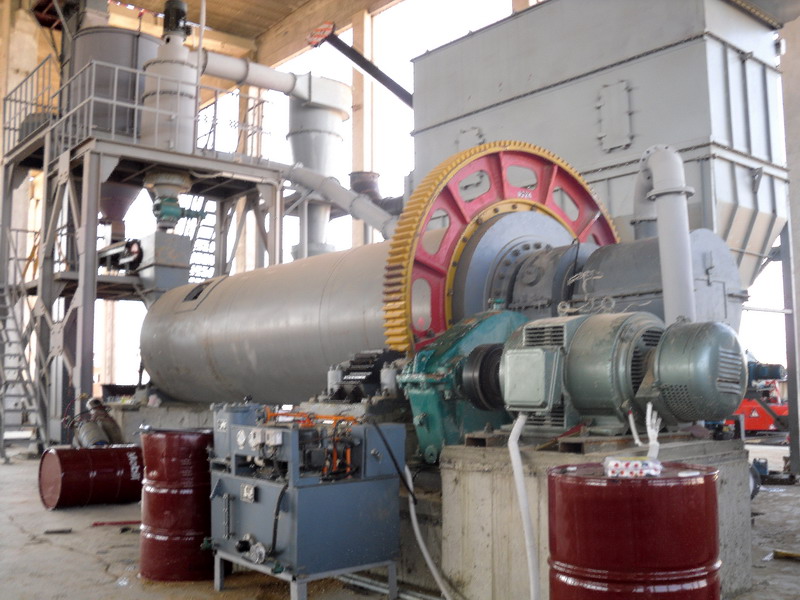
However, traditional ball mills have limitations, including high energy consumption, uneven particle size distribution, and significant wear and tear on components. To address these challenges, modern grinding technologies like the MW Ultrafine Grinding Mill offer superior performance and efficiency.
Advantages of MW Ultrafine Grinding Mill
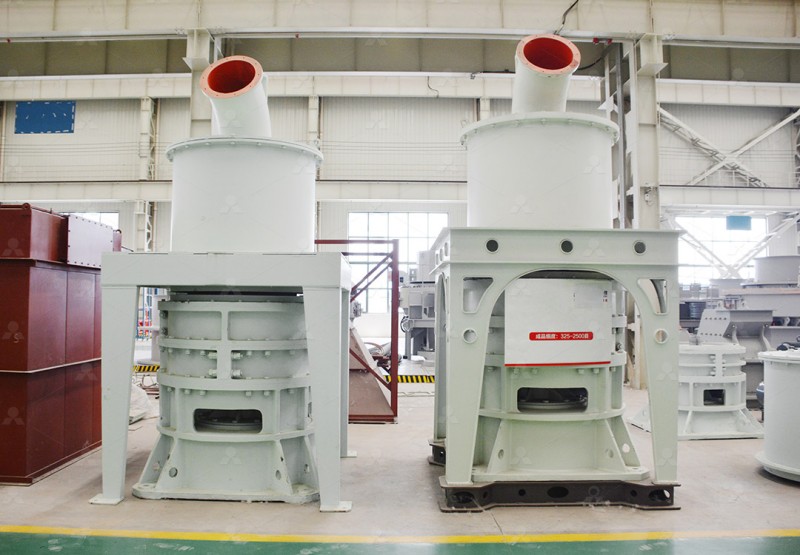
Our MW Ultrafine Grinding Mill is designed to overcome the drawbacks of conventional ball mills. Here are some of its standout features:
- Higher Yielding, Lower Energy Consumption: The MW mill’s innovative grinding curves enhance efficiency, delivering 40% higher capacity than jet mills while consuming 30% less energy.
- Adjustable Fineness (325-2500 meshes): The cage-type powder selector ensures precise particle separation, allowing for customizable fineness to meet specific beneficiation requirements.
- Eco-Friendly Operation: Equipped with a pulse dust collector and muffler, the MW mill minimizes dust and noise pollution, aligning with environmental standards.
Case Study: Enhancing Iron Ore Recovery
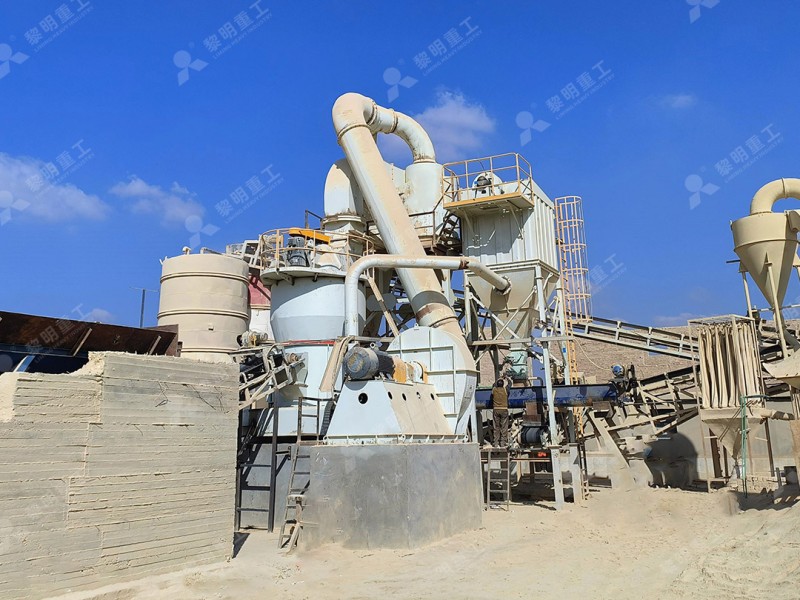
A recent application of the MW Ultrafine Grinding Mill in an iron ore beneficiation plant demonstrated remarkable results. By replacing the traditional ball mill with the MW mill, the plant achieved:
- A 25% increase in iron recovery rates due to more uniform particle size distribution.
- Reduced energy costs by 35%, thanks to the mill’s optimized design.
- Lower maintenance downtime, as the mill’s no-rolling-bearing design eliminates common wear issues.
Why Choose LIMING’s Grinding Solutions?
At LIMING, we specialize in advanced grinding technologies tailored for mineral processing. Our MW Ultrafine Grinding Mill and LUM Ultrafine Vertical Grinding Mill are engineered to deliver unmatched performance in iron ore beneficiation. With features like digitalized processing, energy efficiency, and eco-friendly operation, our mills are the ideal choice for modern mining operations.
For more information on how our grinding solutions can optimize your iron ore beneficiation process, contact our team today.