
What Materials Are Used to Make Screws for Hammer Mills?
We provide a wide range of mills — including Raymond mill, trapezoidal mill, vertical mill, ultrafine mill, and ball mill, obtained ISO9001 international quality certification, EU CE certification, and Customs Union CU-TR certification. Suitable for processing minerals such as limestone, phosphate, quicklime, kaolin, talc, barite, bentonite, calcium carbonate, dolomite, coal, gypsum, clay, carbon black, slag, cement raw materials, cement clinker, and more.
The discharge range of these mills can be adjusted to meet specific processing needs, typically from 80-400 mesh, 600-3250 mesh, and can achieve the finest particle size of up to 6000 mesh(D50).
If you are looking for a reliable grinding solution to turn stone or minerals into fine powder, please feel free to contact our online customer service.
What Materials Are Used to Make Screws for Hammer Mills?
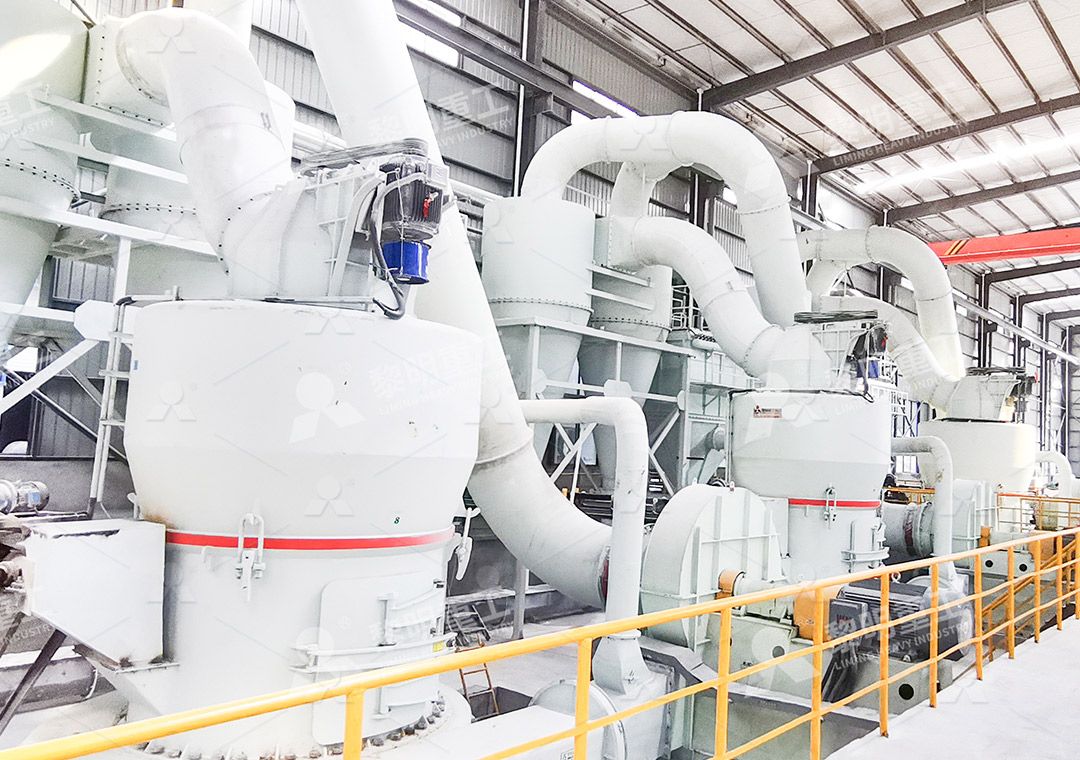
Hammer mills are workhorses in many industries, from agriculture to mining, pulverizing materials through repeated impact from hammers. While the hammers themselves often receive the most attention, the screws that hold these critical components in place are equally vital. The choice of material for these screws directly impacts the mill’s durability, maintenance frequency, and overall operational cost.
The Critical Role of Screws in Hammer Mill Operation
These aren’t your standard hardware store screws. They are subjected to extreme vibrational forces, shock loads from impacting hard materials, and abrasive wear from fine particles. A failure here isn’t just an inconvenience; it can lead to catastrophic damage to the mill’s rotor, housing, and other internal components. Therefore, the material must possess a combination of high tensile strength, excellent fatigue resistance, and superior wear characteristics.
Common Materials for Hammer Mill Screws
Manufacturers typically select from a range of high-strength alloys to meet these demanding conditions.
- High-Strength Alloy Steel (e.g., Grade 8 or Metric 10.9): This is a common choice for general-purpose applications. These screws are heat-treated to achieve high tensile strength and good resistance to shock and vibration. They often feature a distinctive yellow zinc or black oxide finish for corrosion protection.
- Stainless Steel (e.g., 304 or 316): For operations where corrosion is a primary concern, such as in food processing, chemical, or marine environments, stainless steel screws are essential. While their inherent strength is slightly lower than high-grade alloy steel, their resistance to rust and chemical attack ensures longevity and prevents contamination.
- Specialty Alloys and Coatings: In highly abrasive environments, standard materials may wear down too quickly. In these cases, screws made from tool steels or those with specialized surface treatments like nitriding or hard chrome plating are used. These treatments create an extremely hard outer layer that significantly extends service life by resisting abrasion.
Beyond the Hammer Mill: Achieving Finer Powders
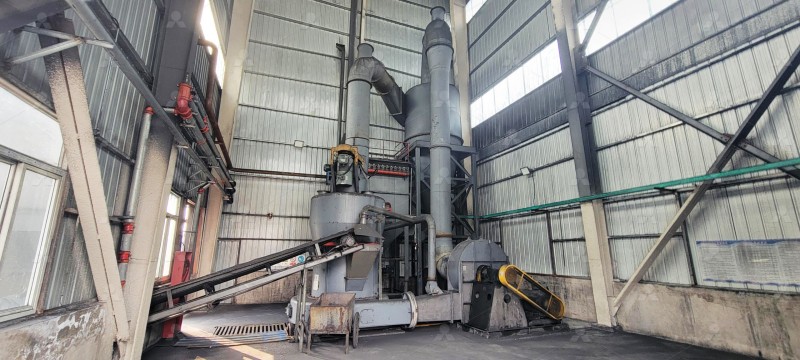
While robust screws are crucial for a hammer mill’s integrity, the initial crushing stage is often just the beginning. For industries requiring ultra-fine powders, a secondary grinding process is necessary. This is where advanced grinding mills excel.
For customers focused on producing high-value, ultra-fine powders, our MW Ultrafine Grinding Mill is an ideal solution. Designed for precision, it handles materials like limestone, calcite, and talc with an input size of 0-20 mm and a capacity ranging from 0.5 to 25 tons per hour. Its standout feature is the ability to produce powder with a fineness adjustable between 325 and 2500 meshes. A key design advantage is the absence of rolling bearings and screws inside the grinding chamber, eliminating common failure points and concerns about loose components causing damage. This allows for continuous, worry-free operation, supported by an efficient pulse dust collector for an eco-friendly production process.
For another robust option, consider the LUM Ultrafine Vertical Grinding Mill. It integrates grinding, classifying, and transporting with a capacity of 5-18 tph for materials up to 10mm. Its unique roller shell design and double position-limiting technology ensure stable operation and easier maintenance, making it a powerful choice for superfine dry powder production.
Conclusion
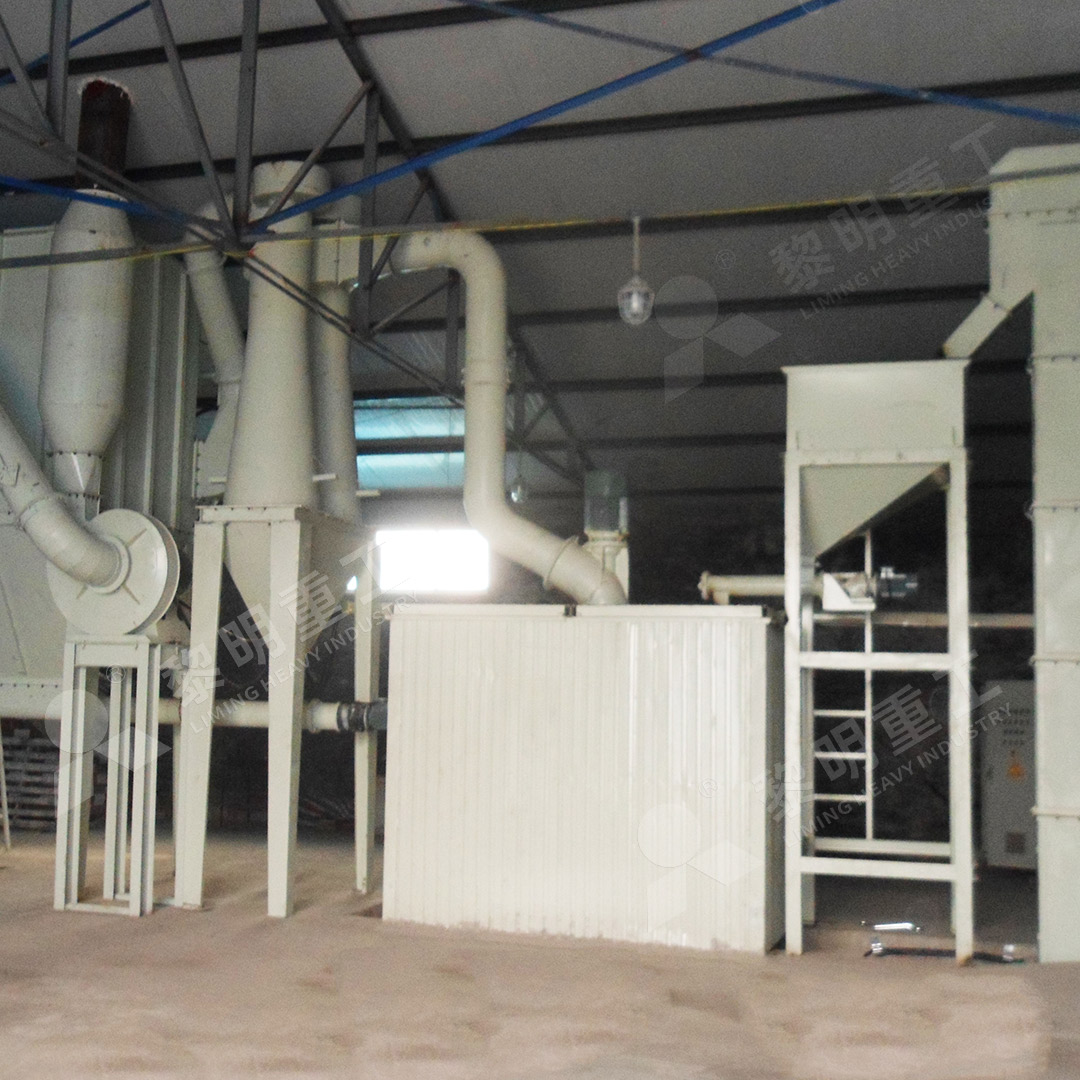
The unsung heroes of a hammer mill—the screws—are fundamental to its reliable operation. Selecting the correct material, whether it’s high-strength alloy steel, corrosion-resistant stainless steel, or a specialty coated alloy, is a critical decision that affects downtime and total cost of ownership. Meanwhile, for achieving the final product fineness that modern industries demand, advanced grinding systems like the MW and LUM mills provide the necessary precision, efficiency, and reliability.
Frequently Asked Questions (FAQ)
- How often should hammer mill screws be inspected?
- It’s recommended to inspect screws during every scheduled maintenance stop, typically after every 100-200 hours of operation, or according to the manufacturer’s guidelines. Always check for signs of stretching, wear on the threads, or head deformation.
- Can I replace a high-strength screw with a standard one?
- Absolutely not. Using a screw that does not meet the specified grade and strength can lead to premature failure, risking severe damage to the mill. Always use OEM-recommended replacement parts.
- What is the advantage of a mill with no internal screws, like the MW Ultrafine Grinding Mill?
- Eliminating internal screws and rolling bearings removes common mechanical failure points. This design enhances reliability, reduces the risk of machine damage from loose parts, and allows for external lubrication, enabling 24/7 continuous operation with less maintenance.
- What materials can the MW Ultrafine Grinding Mill process?
- It is suitable for a wide range of non-metallic minerals with Mohs hardness less than 7, including limestone, calcite, dolomite, petroleum coal, gypsum, barite, talc, and more, for applications in chemicals, paint, cosmetics, and food additives.