
Electrolytic Aluminum Waste Slag Grinding Machine: A Guide to Micro-Powder Processing Equipment
We provide a wide range of mills — including Raymond mill, trapezoidal mill, vertical mill, ultrafine mill, and ball mill, obtained ISO9001 international quality certification, EU CE certification, and Customs Union CU-TR certification. Suitable for processing minerals such as limestone, phosphate, quicklime, kaolin, talc, barite, bentonite, calcium carbonate, dolomite, coal, gypsum, clay, carbon black, slag, cement raw materials, cement clinker, and more.
The discharge range of these mills can be adjusted to meet specific processing needs, typically from 80-400 mesh, 600-3250 mesh, and can achieve the finest particle size of up to 6000 mesh(D50).
If you are looking for a reliable grinding solution to turn stone or minerals into fine powder, please feel free to contact our online customer service.
Electrolytic Aluminum Waste Slag Grinding Machine: A Guide to Micro-Powder Processing Equipment
The processing of electrolytic aluminum waste slag presents a significant opportunity for resource recovery and value addition. This by-product, often considered an environmental liability, can be transformed into high-value micro-powders for various industrial applications through advanced grinding technology. The key lies in selecting equipment capable of handling the material’s specific characteristics while achieving the precise fineness required by end markets.
Electrolytic aluminum slag typically contains metallic aluminum, alumina, salts, and other compounds. Its abrasive nature and variable composition demand robust grinding systems with precise control over particle size distribution. Modern micro-powder processing goes beyond simple crushing; it involves systematic size reduction, classification, and collection to produce consistent, high-quality powders.
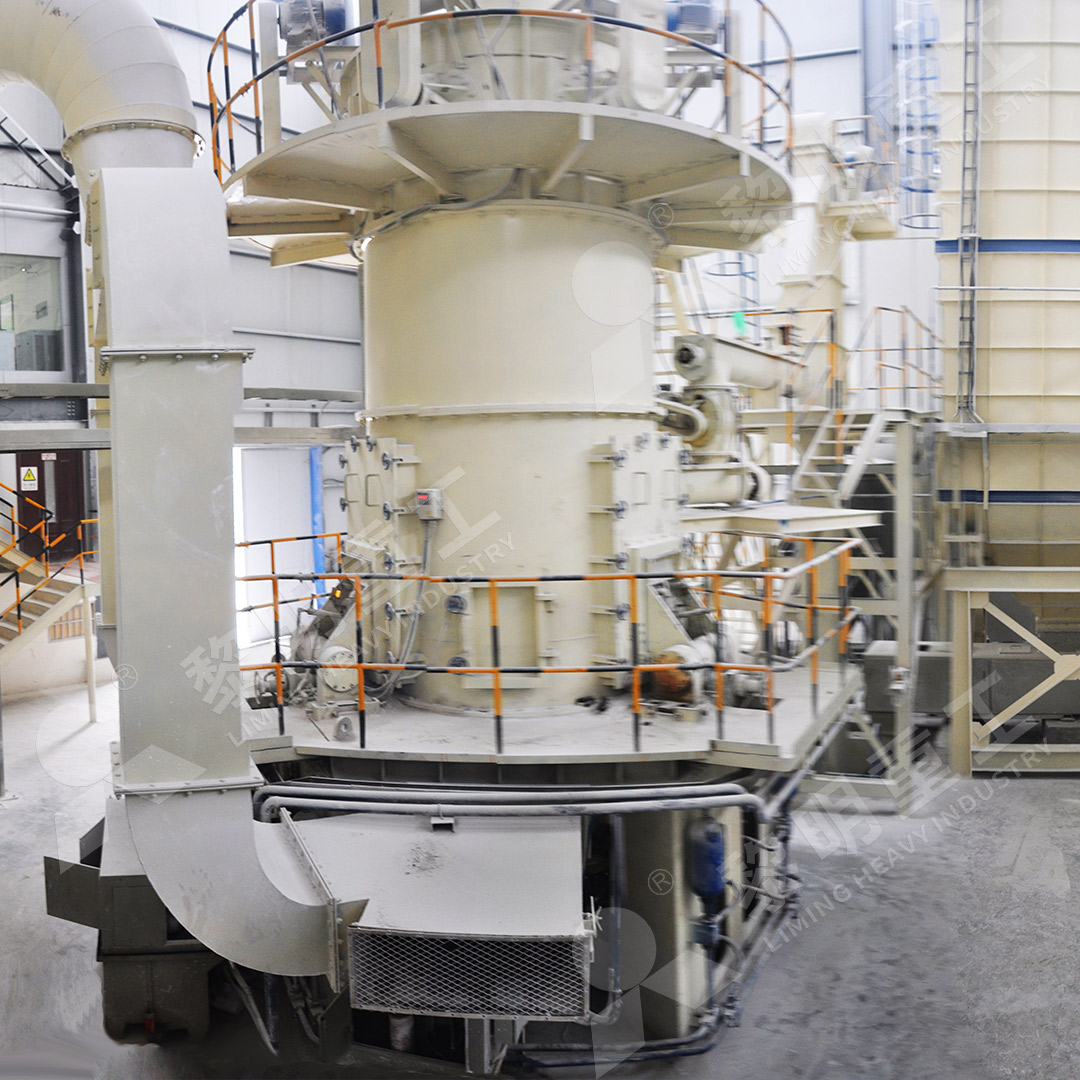
Critical Considerations for Slag Grinding Systems
When designing a grinding circuit for aluminum slag, several factors must be prioritized. The system must withstand abrasive wear, manage heat generation (especially if metallic aluminum is present), and incorporate efficient dust collection to maintain a safe working environment. The grinding mechanism itself should minimize iron contamination, which is crucial for applications where product purity affects performance.
Particle size control is paramount. Fineness levels between 325 and 2500 meshes are often targeted, requiring integrated high-efficiency classifiers. Furthermore, the system’s energy consumption directly impacts operational economics, making efficiency a primary selection criterion.
Advanced Grinding Solutions for Maximum Value
For operations seeking to process electrolytic aluminum slag into ultra-fine powders, the MW Ultrafine Grinding Mill represents a technologically advanced solution. This machine is specifically engineered for customers requiring ultra-fine powder production from challenging materials. With an input size of 0-20 mm and a capacity range of 0.5-25 tph, it offers remarkable flexibility.
A standout feature of the MW Mill is its innovative grinding chamber design, which eliminates rolling bearings and screws inside the chamber. This design philosophy virtually eliminates concerns about bearing damage or seal failure and prevents machine damage from loose screws. Operators can perform external lubrication without shutdown, enabling continuous 24/7 production—a significant advantage for high-volume processing.
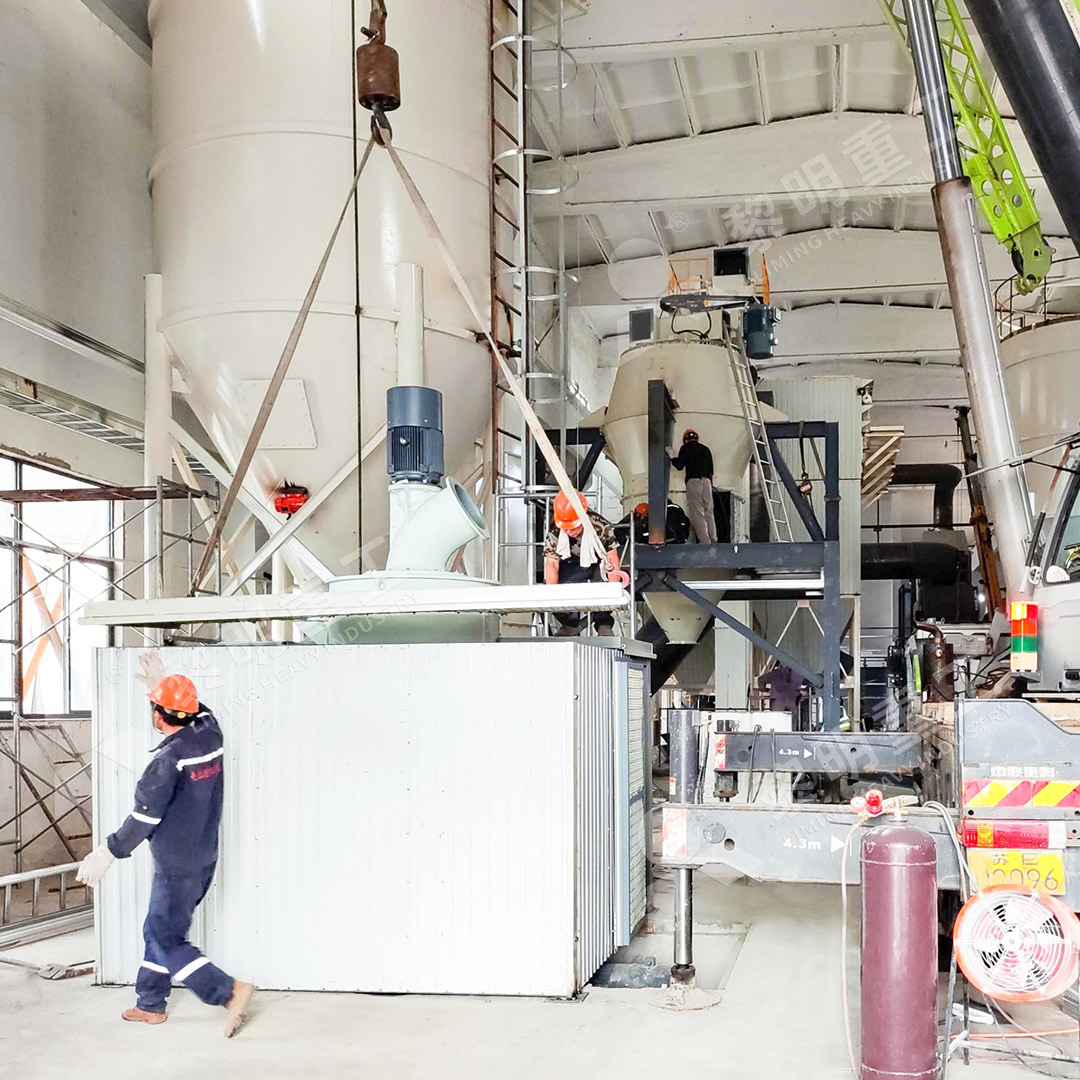
The mill’s cage-type powder selector, incorporating German technology, allows precise fineness adjustment between 325-2500 meshes, achieving a screening rate of d97≤5μm in a single pass. From an environmental and operational standpoint, the integrated efficient pulse dust collector and muffler ensure the production process meets stringent environmental standards by minimizing dust and noise pollution.
Vertical Grinding Efficiency
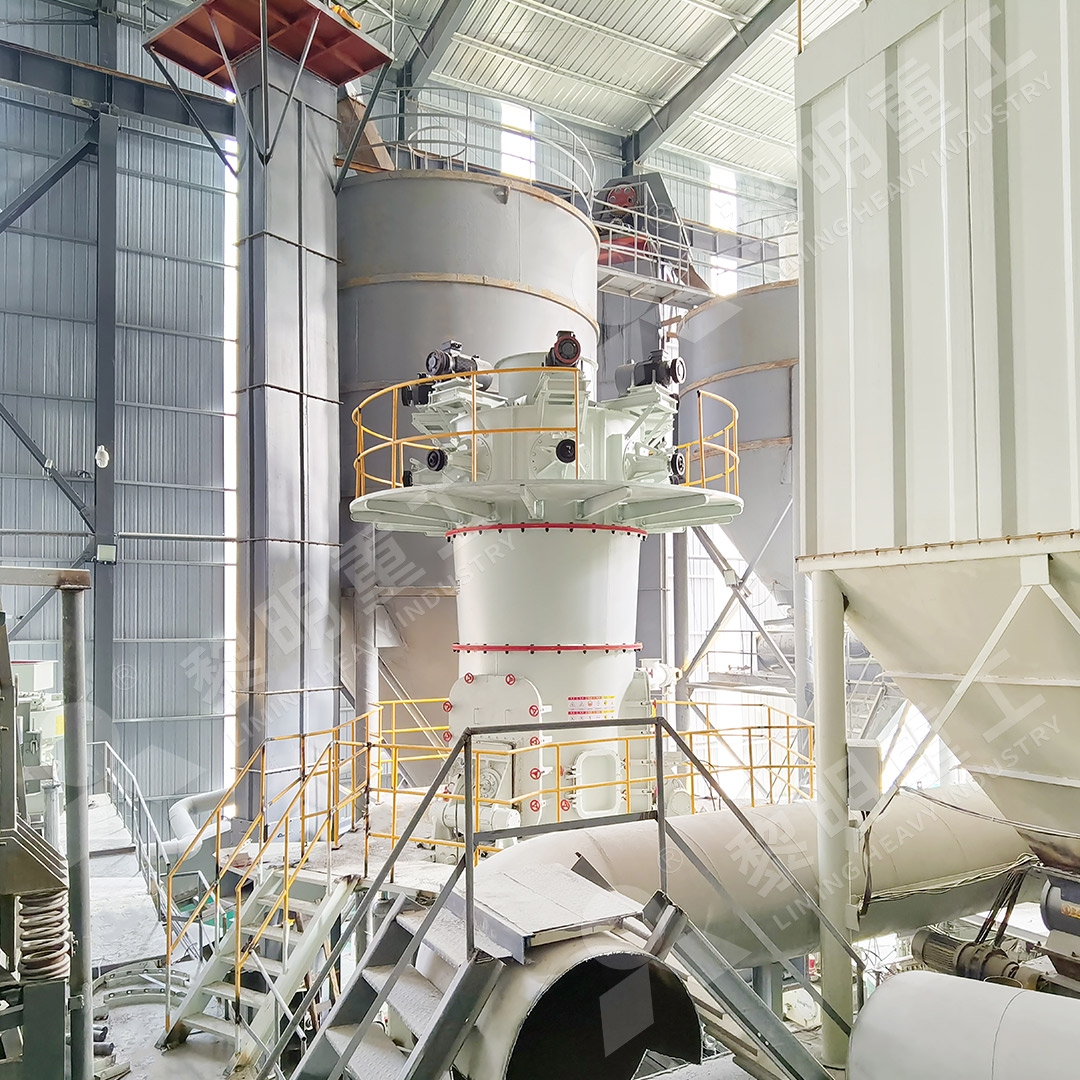
Another compelling option for slag valorization is the LUM Ultrafine Vertical Grinding Mill. This mill integrates grinding, grading, and transporting into a single, compact unit. Its design, featuring unique roller shell and lining plate grinding curves, promotes stable material layer formation and enables a high rate of finished product yield from a single pass. This is particularly beneficial for improving the whiteness and cleanliness of the final slag powder.
The LUM Mill employs a multi-head powder separating technology controlled by a PLC system, allowing accurate control over grinding pressure and rotational speed. This results in energy savings of 30%-50% compared to conventional mills. For maintenance, its reversible structure and hydraulic system allow operators to easily move the grinding roller out of the body for inspection and part replacement, minimizing costly downtime.
Conclusion
Transforming electrolytic aluminum waste slag from an industrial residue into a valuable commodity requires precise, reliable, and efficient grinding technology. Equipment like the MW Ultrafine Grinding Mill and LUM Ultrafine Vertical Grinding Mill are designed to meet these exacting demands, offering high yields, superior fineness control, and environmentally conscious operation. By investing in the right micro-powder processing equipment, producers can unlock significant economic and sustainability benefits.
Frequently Asked Questions (FAQ)
What is the typical fineness range achievable for aluminum slag powder?
Advanced mills like the MW series can adjust fineness between 325 and 2500 meshes, with the ability to achieve a d97≤5μm particle size.
How is iron contamination prevented during the grinding process?
Modern designs utilize optimized grinding curves and mechanical structures that minimize direct contact between metal parts and the product. The absence of screws and external bearing placement in mills like the MW series further reduces contamination risk.
What are the primary industrial applications for ground aluminum slag?
Processed slag micro-powder is used in cement and concrete production, as a filler in plastics and paints, and in the construction materials industry.
How significant are the energy savings with newer grinding technologies?
Technologies such as the multi-head powder separator in the LUM Mill can reduce energy consumption by 30% to 50% compared to traditional ball mills or older Raymond mill designs.
What are the key maintenance advantages of these grinding systems?
Features like external lubrication systems, reversible roller assemblies, and the elimination of internal bearings significantly simplify maintenance, reduce downtime, and lower long-term operating costs.