
How Bearings Work in a Vertical Roller Mill: An Animated Guide
We provide a wide range of mills — including Raymond mill, trapezoidal mill, vertical mill, ultrafine mill, and ball mill, obtained ISO9001 international quality certification, EU CE certification, and Customs Union CU-TR certification. Suitable for processing minerals such as limestone, phosphate, quicklime, kaolin, talc, barite, bentonite, calcium carbonate, dolomite, coal, gypsum, clay, carbon black, slag, cement raw materials, cement clinker, and more.
The discharge range of these mills can be adjusted to meet specific processing needs, typically from 80-400 mesh, 600-3250 mesh, and can achieve the finest particle size of up to 6000 mesh(D50).
If you are looking for a reliable grinding solution to turn stone or minerals into fine powder, please feel free to contact our online customer service.
How Bearings Work in a Vertical Roller Mill: An Animated Guide
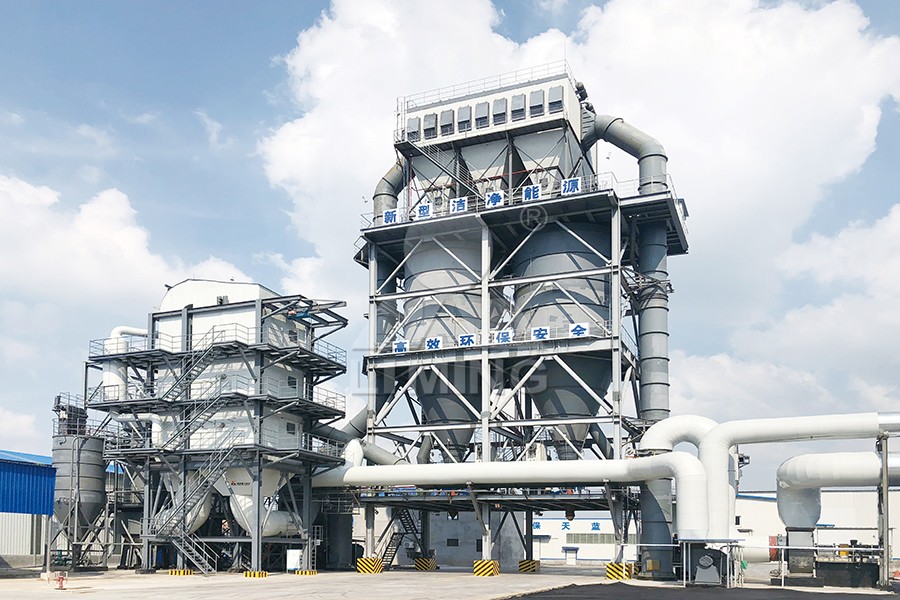
Imagine the heart of a vertical roller mill (VRM) as a complex, high-precision dance. At the center of this mechanical ballet are the bearings—components that might seem simple but carry the immense responsibility of supporting the grinding table, rollers, and classifier. Their performance directly dictates the mill’s efficiency, reliability, and longevity. Let’s pull back the curtain on these unsung heroes.
The Core Function: Handling Immense Loads
Unlike horizontal ball mills where bearings primarily handle radial loads, bearings in a VRM face a unique combination of forces. They must support the massive weight of the grinding table and rollers (axial load) while simultaneously managing the significant radial forces generated during the grinding process. This is a punishing environment characterized by extreme pressure, vibration, and often high temperatures. The primary bearing supporting the grinding table shaft is typically a large-diameter spherical roller bearing or a specialized thrust bearing arrangement, chosen specifically for its ability to handle these multi-directional loads.
A Design Evolution: Moving Bearings Out of Harm’s Way
Traditional mill designs often placed critical bearings close to the grinding chamber, exposing them to dust, heat, and potential contamination—a major source of premature failure. Modern engineering has revolutionized this approach. A key advancement is the strategic placement of bearings outside the grinding zone, protecting them from the harsh internal environment.
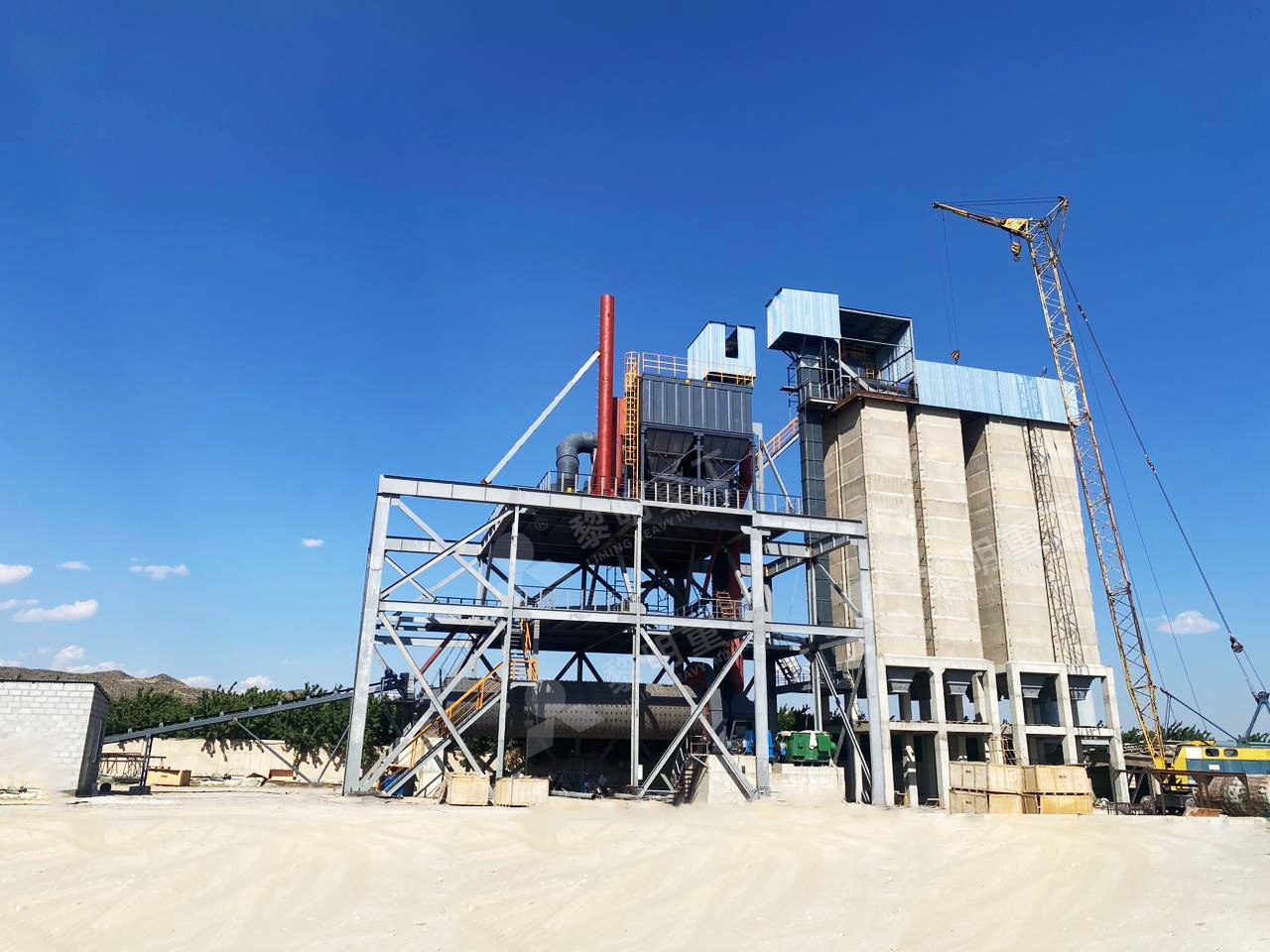
This philosophy is exemplified in our MW Ultrafine Grinding Mill. A standout feature of this machine is that there are no rolling bearings or screws inside the grinding chamber. This brilliant design eliminates the primary failure points associated with bearing seal damage or contamination. Furthermore, the external lubrication system allows for maintenance and lubrication without shutting down the mill, enabling continuous 24/7 operation—a significant advantage for productivity-focused operations. With an input size of 0-20 mm and a capacity range of 0.5-25 tph, the MW Mill is designed for high-efficiency, worry-free ultrafine powder production.
Lubrication and Sealing: The Lifelines
Even the best bearings will fail without proper lubrication and sealing. VRMs employ sophisticated lubrication systems, often automated, that deliver a precise amount of clean oil or grease to the bearing surfaces. Seals are equally critical; they are multi-layered defenses designed to keep abrasive powder out and lubricant in. Any compromise in the sealing system can lead to rapid bearing degradation. Regular monitoring of lubricant condition and seal integrity is a cornerstone of predictive maintenance.
Advanced Solutions for Ultimate Stability
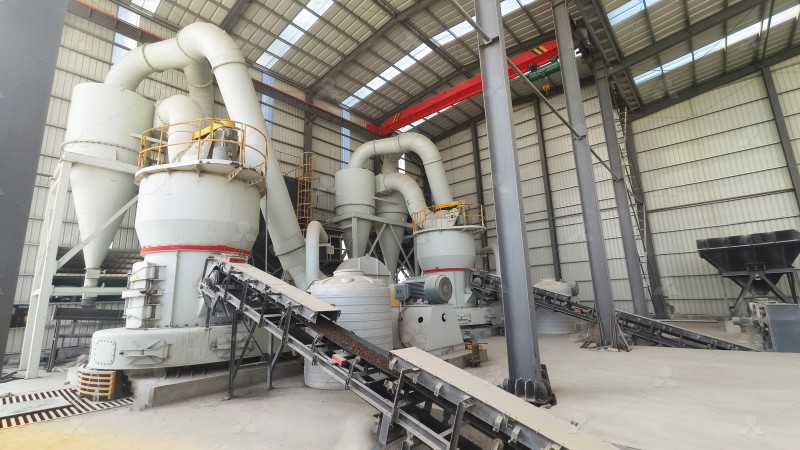
For operations demanding the highest level of stability and precision, mills like our LUM Ultrafine Vertical Grinding Mill incorporate advanced technologies. The LUM mill features double position-limiting technology on the grinding rollers. This system uses both electronic and mechanical limits to prevent the rollers from making destructive contact with the millstone during unexpected events like machine vibration, thereby protecting the entire drive train, including the bearings, from catastrophic impact. This results in exceptionally stable operation and extended component life.
Conclusion
Bearings are far from passive components in a vertical roller mill. They are engineered systems that enable the mill to convert massive power into fine grinding action. Understanding their function, the challenges they face, and the modern design solutions that protect them is key to maximizing mill uptime and productivity. The trend is clear: smarter bearing placement, superior sealing, and advanced protection systems are what separate ordinary mills from exceptional, high-availability performers.
Frequently Asked Questions (FAQ)
What is the most common cause of bearing failure in a VRM?
The most common cause is contamination from abrasive dust entering due to failed or worn seals. Inadequate or degraded lubrication is a close second.
Why are some modern mills designed without bearings in the grinding chamber?
This design, as seen in our MW Ultrafine Grinding Mill, isolates critical components from heat, dust, and vibration. This dramatically increases bearing life, reduces maintenance frequency, and allows for external lubrication without production stoppages.
How does double position-limiting technology protect bearings?
This technology, featured in our LUM Mill, prevents the grinding rollers from violently striking the millstone during abnormal conditions. By avoiding these high-impact shocks, it protects the bearings and other mechanical parts from sudden overload and potential failure.
What are the signs of potential bearing problems?
Key indicators include an increase in operating temperature, unusual noises (rumbling or grinding sounds), increased vibration levels, and visible lubricant leaks around seals.