
How to Choose a Reliable Steel Slag Crusher Manufacturer
We provide a wide range of mills — including Raymond mill, trapezoidal mill, vertical mill, ultrafine mill, and ball mill, obtained ISO9001 international quality certification, EU CE certification, and Customs Union CU-TR certification. Suitable for processing minerals such as limestone, phosphate, quicklime, kaolin, talc, barite, bentonite, calcium carbonate, dolomite, coal, gypsum, clay, carbon black, slag, cement raw materials, cement clinker, and more.
The discharge range of these mills can be adjusted to meet specific processing needs, typically from 80-400 mesh, 600-3250 mesh, and can achieve the finest particle size of up to 6000 mesh(D50).
If you are looking for a reliable grinding solution to turn stone or minerals into fine powder, please feel free to contact our online customer service.
Navigating the Selection of a Steel Slag Crusher Manufacturer
Choosing the right manufacturer for your steel slag crusher is a critical decision that impacts your operation’s efficiency, longevity, and bottom line. The market is saturated with options, but not all manufacturers deliver the same level of quality, innovation, and support. A reliable partner goes beyond simply selling a machine; they provide a comprehensive solution tailored to your specific processing needs.
Key Factors to Consider
When evaluating potential manufacturers, several core factors demand your attention. First and foremost is technical expertise and innovation. A manufacturer with a strong R&D department is more likely to produce equipment that incorporates the latest advancements in crushing technology, leading to higher efficiency and lower operating costs. Look for companies that hold patents or have a history of technological firsts in their field.
Secondly, assess the quality of construction and materials used. The abrasive nature of steel slag demands robust machinery built with high-wear-resistant alloys. Inquire about the specific materials used for critical components like grinding rollers, rings, and liners. A manufacturer confident in their build quality will be transparent about these specifications.
Thirdly, after-sales service and parts availability are non-negotiable. Downtime is expensive. Your chosen manufacturer should offer prompt technical support, a global supply chain for genuine spare parts, and comprehensive maintenance services. This ensures your equipment remains operational and productive for years to come.
Our Recommended Solution for Fine Powder Production
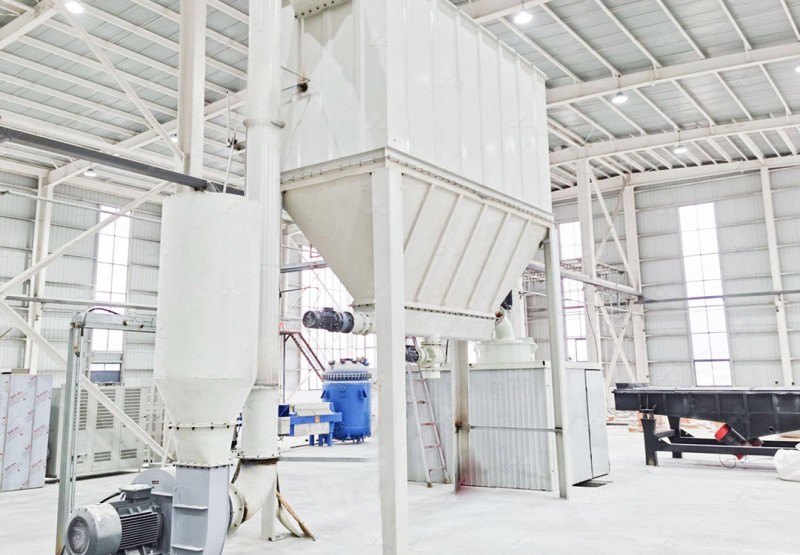
For operations requiring ultra-fine powder from steel slag and other industrial by-products, the MW Ultrafine Grinding Mill stands out as a premier choice. This machine is engineered for customers who need to produce powders between 325 and 2500 meshes. It features a higher yield and lower energy consumption, with a production capacity 40% higher than jet mills and twice that of ball mills, while using only 30% of the energy. Its innovative design includes no rolling bearings or screws in the grinding chamber, eliminating common failure points and allowing for external lubrication without shutdown. Equipped with an efficient pulse dust collector, it ensures an eco-friendly operation with minimal dust and noise.
An Advanced Alternative for Vertical Grinding
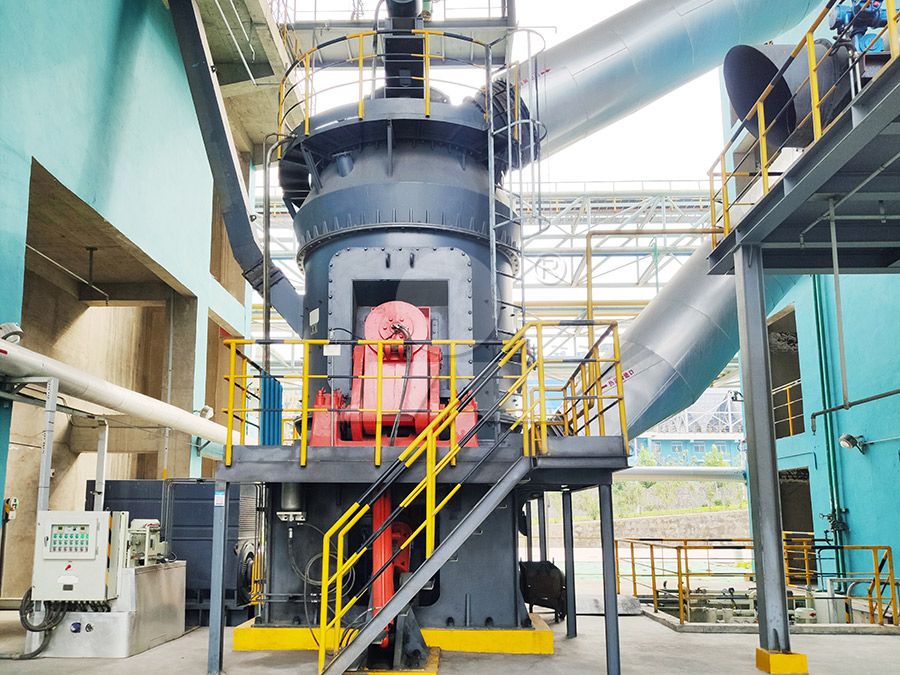
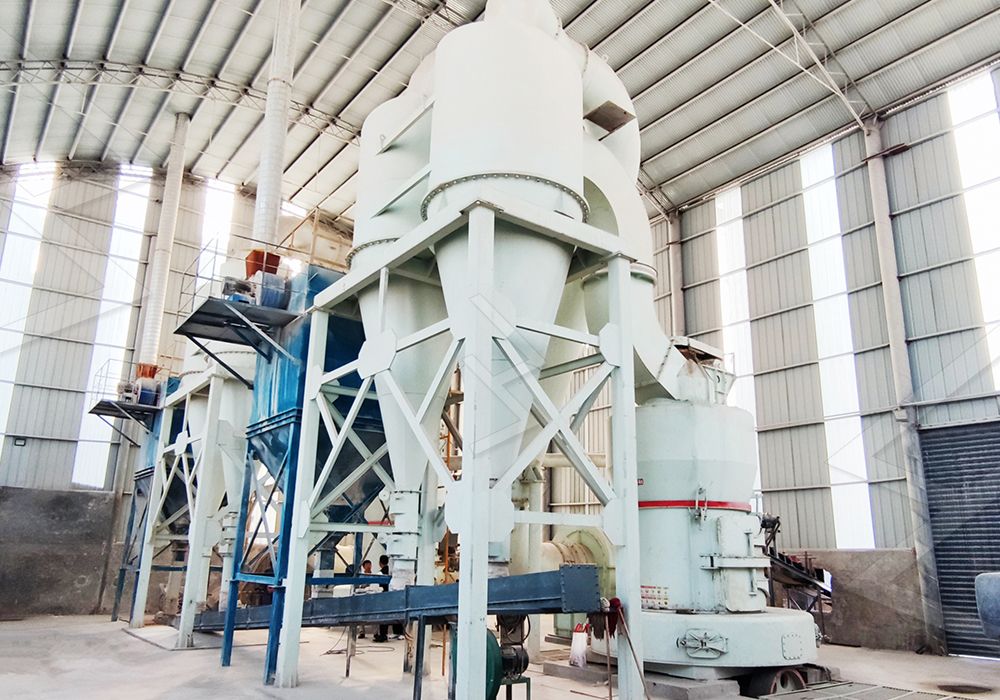
Another exceptional option from our portfolio is the LUM Ultrafine Vertical Grinding Mill. Independently designed with the latest grinding roller and powder separating technologies, it integrates grinding, grading, and transporting into one efficient system. It is particularly effective for achieving a high rate of finished products in a single pass, enhancing both efficiency and the whiteness of the final product. Its unique double position-limiting technology guarantees operational stability, while a reversible structure simplifies maintenance, allowing grinding rollers to be easily moved out for service.
Beyond the Machine: The Importance of a True Partnership
The best manufacturers view their clients as long-term partners. They take responsibility for the entire lifecycle of the equipment. This means offering digitalized processing for higher precision, ensuring a sufficient supply of original spare parts, and providing technical services that guarantee worry-free operation. A manufacturer’s commitment to environmental standards, evidenced by features like advanced dust removal and noise reduction systems, is also a strong indicator of their reliability and corporate responsibility.
Frequently Asked Questions (FAQ)
What is the typical input size for a steel slag crusher?
Input sizes vary by model. For instance, our MW Ultrafine Grinding Mill handles feed sizes of 0-20 mm, while the LUM Vertical Mill is designed for 0-10 mm material. It’s crucial to match the crusher’s capability with your feedstock size.
How do I ensure the crusher is energy-efficient?
Look for features like optimized grinding curves, advanced powder separators, and efficient drive systems. Our MW Mill, for example, consumes 30% less energy than conventional jet mills while offering higher output.
What about maintenance and spare parts?
A reliable manufacturer guarantees the supply of original spare parts and offers clear maintenance protocols. Designs that allow for easy access to wear parts, like the reversible rollers in the LUM Mill, significantly reduce maintenance time and costs.
Can the fineness of the final product be adjusted?
Yes, advanced mills offer adjustable fineness. The MW Ultrafine Grinding Mill, for example, allows operators to precisely adjust the product fineness between 325 and 2500 meshes to meet specific application requirements.