
Intelligent Control System for Pulverized Coal Mills: Enhancing Efficiency & Stability
We provide a wide range of mills — including Raymond mill, trapezoidal mill, vertical mill, ultrafine mill, and ball mill, obtained ISO9001 international quality certification, EU CE certification, and Customs Union CU-TR certification. Suitable for processing minerals such as limestone, phosphate, quicklime, kaolin, talc, barite, bentonite, calcium carbonate, dolomite, coal, gypsum, clay, carbon black, slag, cement raw materials, cement clinker, and more.
The discharge range of these mills can be adjusted to meet specific processing needs, typically from 80-400 mesh, 600-3250 mesh, and can achieve the finest particle size of up to 6000 mesh(D50).
If you are looking for a reliable grinding solution to turn stone or minerals into fine powder, please feel free to contact our online customer service.
Intelligent Control System for Pulverized Coal Mills: Enhancing Efficiency & Stability
In the demanding environment of thermal power generation and industrial processing, the pulverized coal mill stands as a critical component. Its performance directly influences combustion efficiency, emissions control, and overall plant stability. Traditional control methods often struggle with the mill’s nonlinear dynamics, variable coal quality, and significant time delays, leading to operational inefficiencies and potential instability. The advent of intelligent control systems marks a paradigm shift, offering a robust solution to these long-standing challenges.
The Core Challenges in Coal Mill Operation
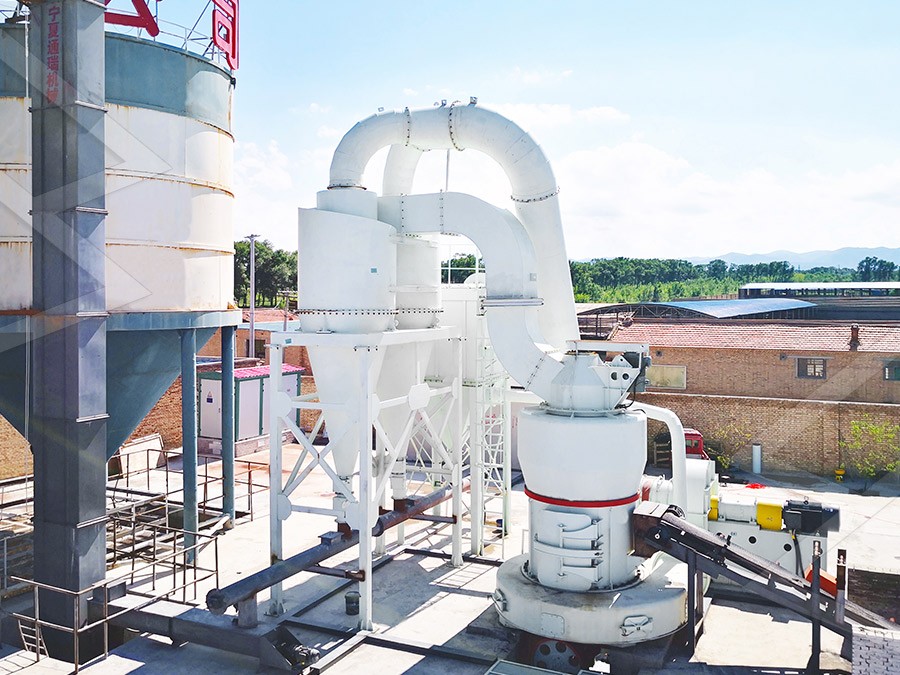
Operating a coal mill is a complex balancing act. The primary goal is to maintain a consistent output of pulverized coal with a specific fineness, all while ensuring the mill does not become overloaded or encounter a coal-fired explosion risk. Key variables such as the coal feed rate, primary air temperature, and primary air flow must be meticulously coordinated. Manual or basic PID control systems are often inadequate, reacting too slowly to disturbances like changes in raw coal hardness or moisture content. This can result in poor particle size distribution, reduced boiler efficiency, and increased maintenance downtime.
The Intelligent Control Approach
Intelligent control systems leverage advanced algorithms, including fuzzy logic, neural networks, and model predictive control (MPC), to create a more adaptive and proactive operational framework. Unlike conventional controllers, these systems can learn from historical data, predict future states of the mill, and make precise adjustments before a deviation becomes a problem. For instance, an intelligent system can anticipate the need to adjust the grinding pressure based on subtle changes in motor current and mill differential pressure, thereby maintaining optimal grinding conditions continuously.
Integrating Advanced Milling Technology
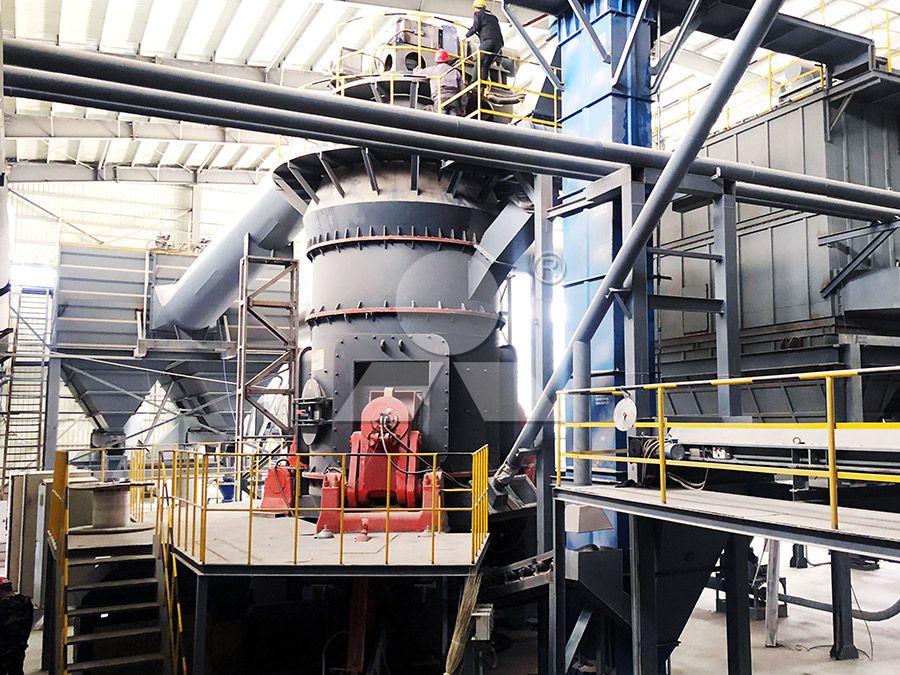
The effectiveness of an intelligent control system is profoundly amplified when paired with high-performance grinding machinery. A prime example is our LM Vertical Coal Mill. This mill is engineered for stability and efficiency, featuring a unique grinding roller and table design that promotes the formation of a stable material bed. Its integrated design combines drying, grinding, and classification in a single unit, making it an ideal platform for sophisticated control strategies. The mill’s inherent stability, with features like double position-limiting technology to prevent roller-to-table contact, provides a reliable physical base upon which the intelligent control system can optimize performance.
For applications demanding ultra-fine pulverized coal or requiring processing of other industrial minerals, the MW Ultrafine Grinding Mill presents an excellent solution. With an adjustable fineness range of 325-2500 meshes and a design that boasts 40% higher capacity than jet mills, it offers remarkable flexibility. Its external lubrication system allows for 24/7 operation, a feature that intelligent controls can leverage to maximize uptime and coordinate maintenance schedules predictively.
Tangible Benefits for Plant Operations
The synergy between intelligent control and advanced mill design delivers measurable outcomes. Plants can expect a significant reduction in specific energy consumption, often in the range of 10-20%, by ensuring the mill operates consistently at its most efficient point. Enhanced stability minimizes the risk of mill trips and blockages, leading to higher availability and reduced wear on mechanical components. Furthermore, the consistent quality of the pulverized coal improves combustion efficiency in the boiler, contributing to lower fuel costs and reduced NOx emissions.
Conclusion
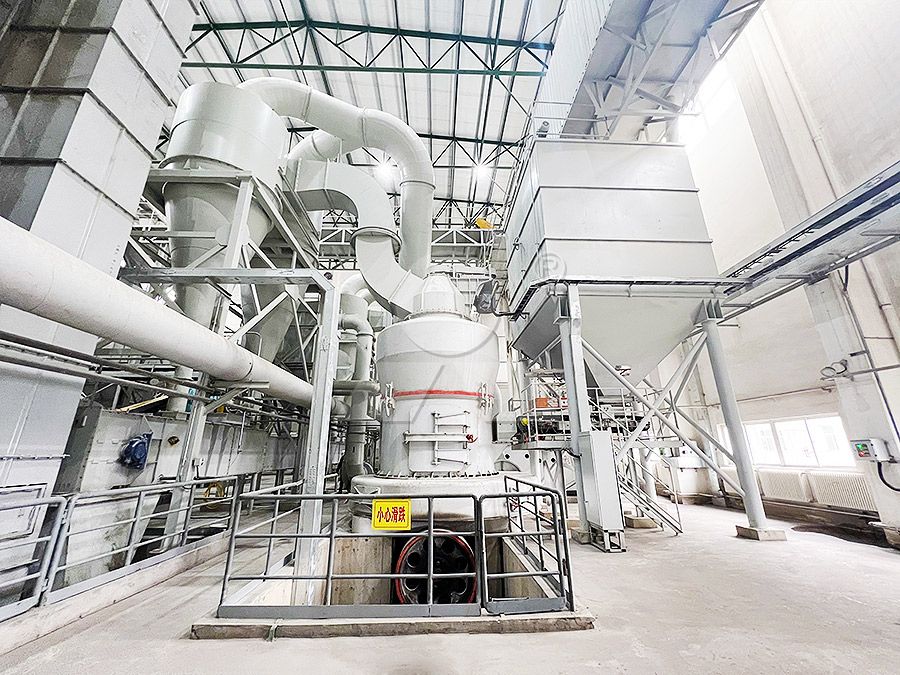
The integration of intelligent control systems with robust, high-efficiency mills like the LM Vertical Coal Mill and MW Ultrafine Grinding Mill is no longer a luxury but a necessity for modern industrial facilities aiming for peak performance. This combination addresses the core challenges of coal milling, transforming it from a potential bottleneck into a reliable, efficient, and stable process that supports broader operational goals of sustainability and profitability.
Frequently Asked Questions (FAQ)
What is the main advantage of an intelligent control system over a traditional PLC?
While PLCs are excellent for discrete logic and basic loop control, intelligent systems add a layer of adaptability and predictive capability. They can handle the nonlinear, time-delayed nature of a coal mill much more effectively, leading to greater stability and efficiency.
Can these control systems be retrofitted to existing coal mills?
Yes, in most cases, intelligent control systems can be implemented as an upgrade to existing mill installations. The feasibility depends on the availability of adequate sensors and the capability of the existing actuator systems.
How does the LM Vertical Coal Mill contribute to operational stability?
The LM Vertical Coal Mill is designed with stability in mind. Its double position-limiting technology prevents destructive impacts between the grinding rollers and the table, and its integrated drying and grinding process minimizes external variables, creating a more consistent and controllable environment.
What kind of maintenance benefits can be expected?
By maintaining optimal and stable operating conditions, intelligent controls reduce mechanical stress and abrasive wear on critical components like rollers and liners. This extends maintenance intervals and reduces the frequency of unscheduled downtime.