
China Jute Mill Machinery Supplier: How to Choose the Right Grinding Equipment
We provide a wide range of mills — including Raymond mill, trapezoidal mill, vertical mill, ultrafine mill, and ball mill, obtained ISO9001 international quality certification, EU CE certification, and Customs Union CU-TR certification. Suitable for processing minerals such as limestone, phosphate, quicklime, kaolin, talc, barite, bentonite, calcium carbonate, dolomite, coal, gypsum, clay, carbon black, slag, cement raw materials, cement clinker, and more.
The discharge range of these mills can be adjusted to meet specific processing needs, typically from 80-400 mesh, 600-3250 mesh, and can achieve the finest particle size of up to 6000 mesh(D50).
If you are looking for a reliable grinding solution to turn stone or minerals into fine powder, please feel free to contact our online customer service.
Navigating the Maze of Grinding Equipment Selection
Selecting the optimal grinding equipment is a critical decision for any jute mill operation, directly impacting product quality, operational efficiency, and long-term profitability. The process can seem daunting, with numerous technical specifications and competing claims. The key lies in a systematic evaluation of your specific production requirements against the capabilities of available machinery. It’s not just about finding a machine that grinds; it’s about finding a system that integrates seamlessly into your workflow, delivers consistent fineness, and operates cost-effectively.
Core Factors to Consider Before Purchase
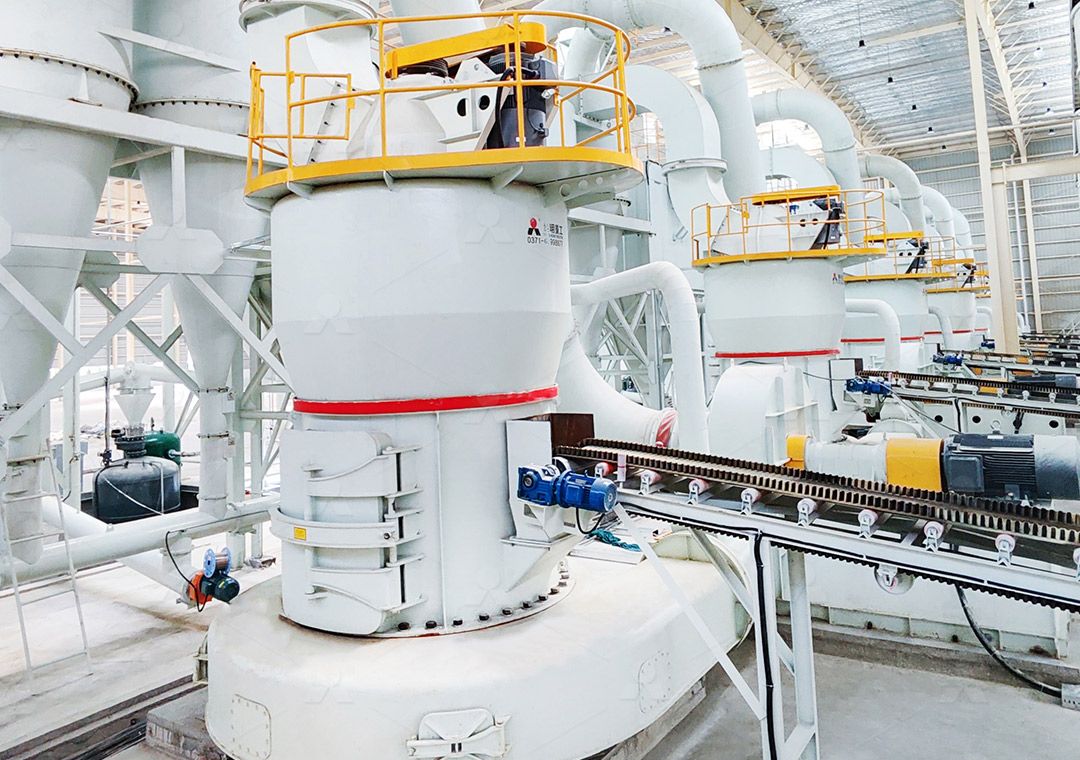
A strategic approach involves analyzing several interconnected factors. First, define your raw material characteristics: input size, hardness, moisture content, and abrasiveness. Second, quantify your output goals: required capacity (tons per hour) and the precise fineness (mesh size) of the final powder. Third, consider your operational constraints: available floor space, energy consumption limits, and environmental regulations concerning dust and noise. Overlooking any of these aspects can lead to underperformance or unexpected costs.
The Critical Role of Fineness and Throughput
Two of the most decisive specifications are fineness range and processing capacity. For operations requiring ultra-fine powders, traditional ball mills may be inefficient due to high energy consumption and limited control over particle size distribution. Modern solutions offer superior precision. For instance, the MW Ultrafine Grinding Mill is engineered for customers who need to make ultra-fine powder, with an adjustable fineness between 325-2500 meshes. Its cage-type powder selector, incorporating German technology, ensures high precision in powder separation, achieving a screening rate of d97≤5μm in a single pass. With a capacity range of 0.5-25 tph and an input size of 0-20 mm, it provides flexibility for various production scales. This machine demonstrates how higher yielding and lower energy consumption are achievable, with a production capacity 40% higher than jet mills and energy use only 30% of them.
Operational Stability and Maintenance Ease
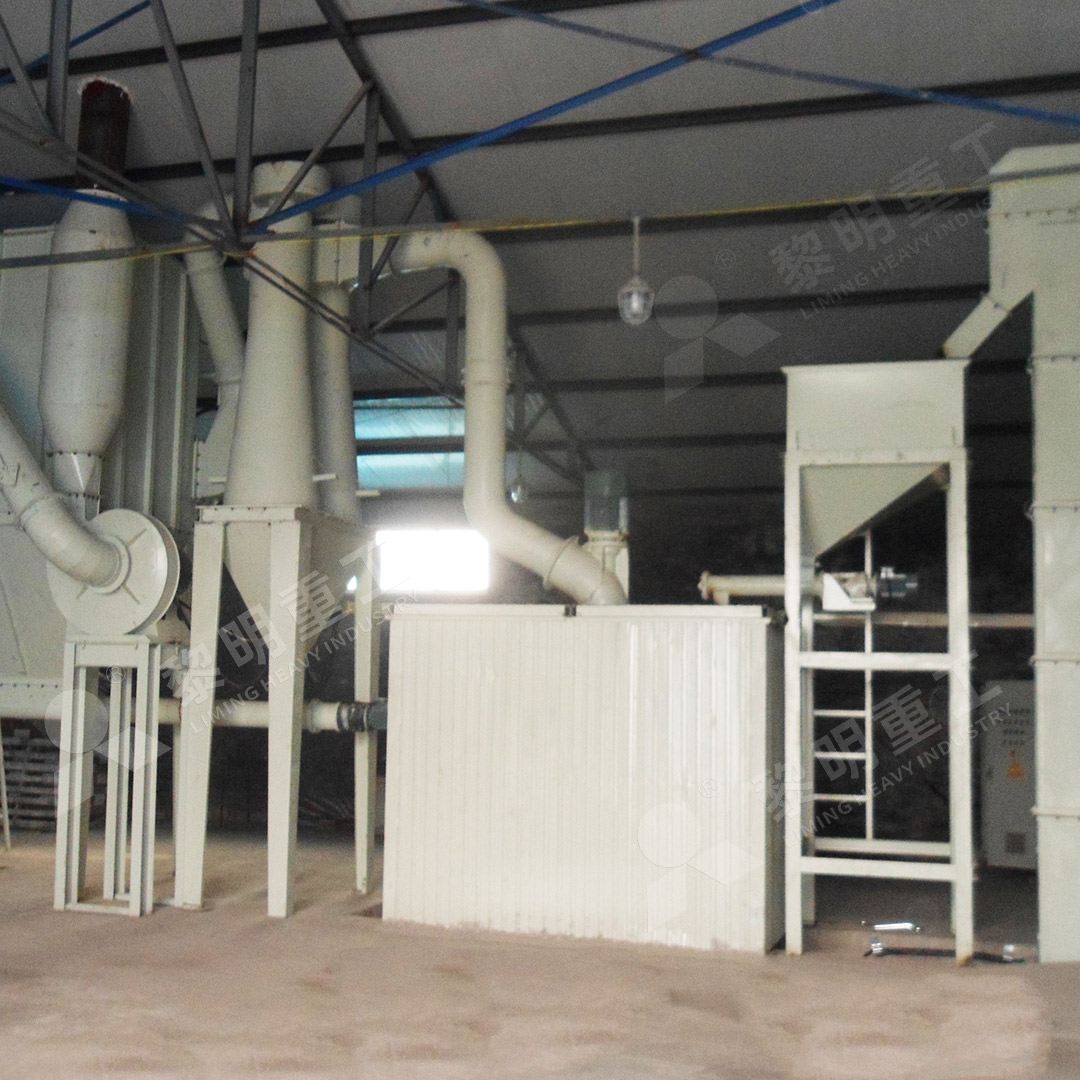
Downtime is the enemy of productivity. Therefore, the mechanical design and maintenance accessibility of grinding equipment are paramount. Look for features that enhance reliability. The MW Ultrafine Grinding Mill, for example, is designed with no rolling bearings or screws inside the grinding chamber. This innovative design eliminates concerns about bearing damage or machine failure from loose screws. Furthermore, its external lubricating device allows for lubrication without shutdown, supporting continuous 24/7 operation. This focus on robust, worry-free operation is a significant advantage for maintaining consistent output.
Environmental Compliance and Sustainable Operation
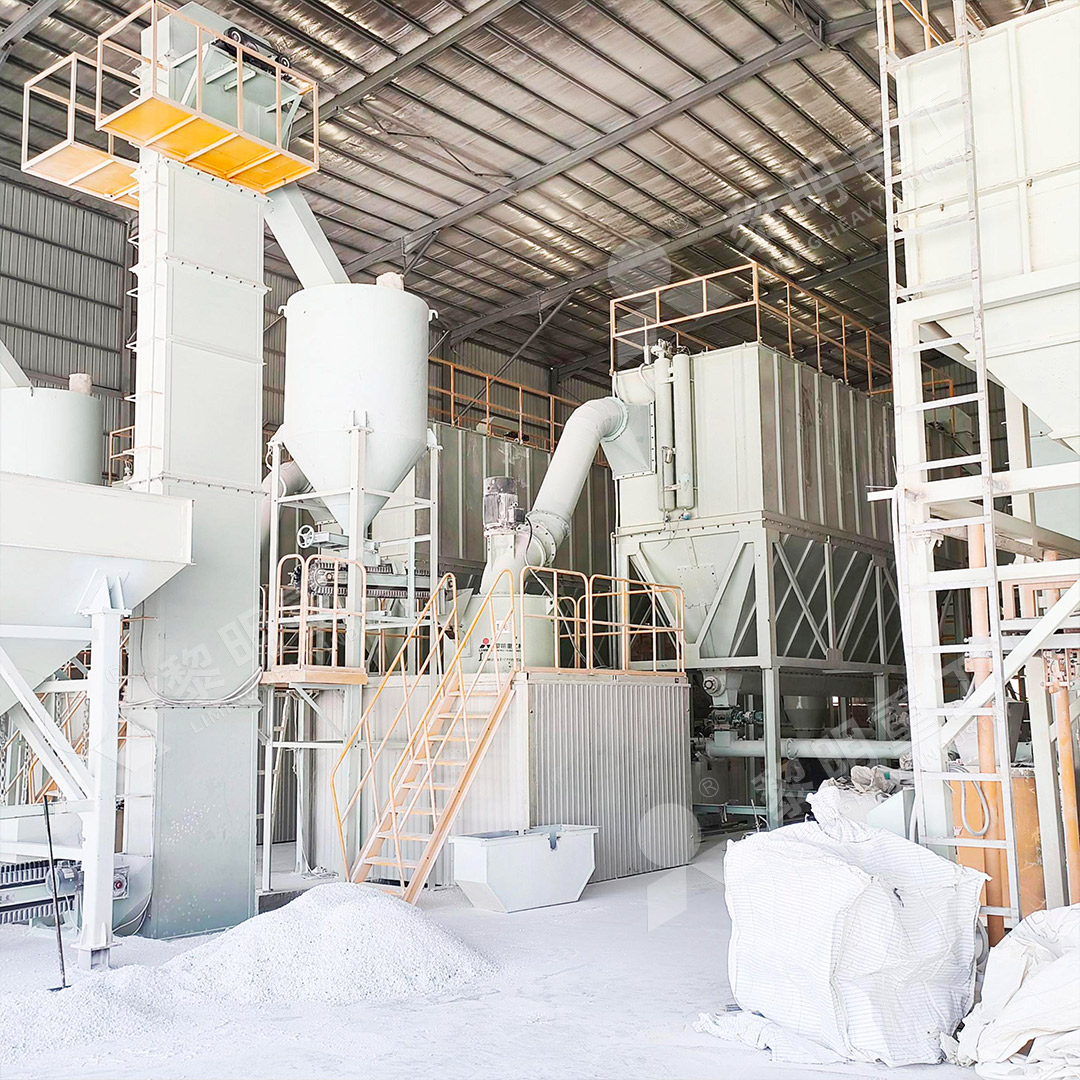
Modern industrial operations must adhere to strict environmental standards. Grinding processes can generate significant dust and noise pollution if not properly managed. Leading equipment now integrates environmental protection directly into its design. The MW Ultrafine Grinding Mill is equipped with an efficient pulse dust collector and muffler, ensuring that the entire milling system operates without dust pollution and with reduced noise levels. This makes the production process fully compliant with national environmental protection standards, safeguarding both your workforce and the surrounding community.
Why Specialized Technology Matters
While general-purpose mills exist, specialized grinding mills often deliver superior results for specific applications. Another excellent option for ultra-fine powder production is the LUM Ultrafine Vertical Grinding Mill. It integrates grinding, grading, and transporting into a single, compact unit. With an input size of 0-10 mm and a capacity of 5-18 tph, it features unique roller shell and lining plate grinding curves that make it easier to generate a material layer, enabling a high rate of finished product in one pass. Its double position-limiting technology guarantees operational stability, preventing destructive impacts from machine vibration.
Frequently Asked Questions (FAQ)
What is the most important factor when choosing a grinding mill?
The most critical factor is matching the mill’s capabilities to your specific material and final product requirements. A detailed analysis of required fineness, capacity, and material characteristics should guide your selection.
How does the MW Ultrafine Grinding Mill achieve lower energy consumption?
It utilizes newly designed grinding curves for the roller and ring, which significantly enhance grinding efficiency. This design, coupled with an advanced powder selector, allows it to achieve higher output with less energy compared to traditional jet mills or ball mills.
Can these mills handle materials other than those used in jute processing?
Absolutely. Mills like the MW and LUM are highly versatile. They are suitable for a wide range of non-metallic minerals including limestone, calcite, dolomite, talc, and barite, making them valuable assets beyond the jute industry.
What kind of after-sales support can we expect?
Reputable suppliers provide comprehensive support, including technical services and a sufficient supply of original spare parts to ensure worry-free operation and minimize potential downtime.