
How Does a Hammer Mill Work? The Working Principle Explained
We provide a wide range of mills — including Raymond mill, trapezoidal mill, vertical mill, ultrafine mill, and ball mill, obtained ISO9001 international quality certification, EU CE certification, and Customs Union CU-TR certification. Suitable for processing minerals such as limestone, phosphate, quicklime, kaolin, talc, barite, bentonite, calcium carbonate, dolomite, coal, gypsum, clay, carbon black, slag, cement raw materials, cement clinker, and more.
The discharge range of these mills can be adjusted to meet specific processing needs, typically from 80-400 mesh, 600-3250 mesh, and can achieve the finest particle size of up to 6000 mesh(D50).
If you are looking for a reliable grinding solution to turn stone or minerals into fine powder, please feel free to contact our online customer service.
How Does a Hammer Mill Work? The Working Principle Explained
Hammer mills are among the most versatile and widely used size reduction equipment in various industries, from mining and agriculture to recycling and pharmaceuticals. Understanding their working principle is key to appreciating their efficiency and application potential.
The Core Mechanism: Impact-Based Grinding
At its heart, a hammer mill operates on a simple yet effective principle: impact-based particle size reduction. The machine consists of a cylindrical chamber housing a high-speed rotor assembly. This rotor is equipped with several hammers (rectangular pieces of hardened steel) that swing freely or are fixed to the rotor discs.
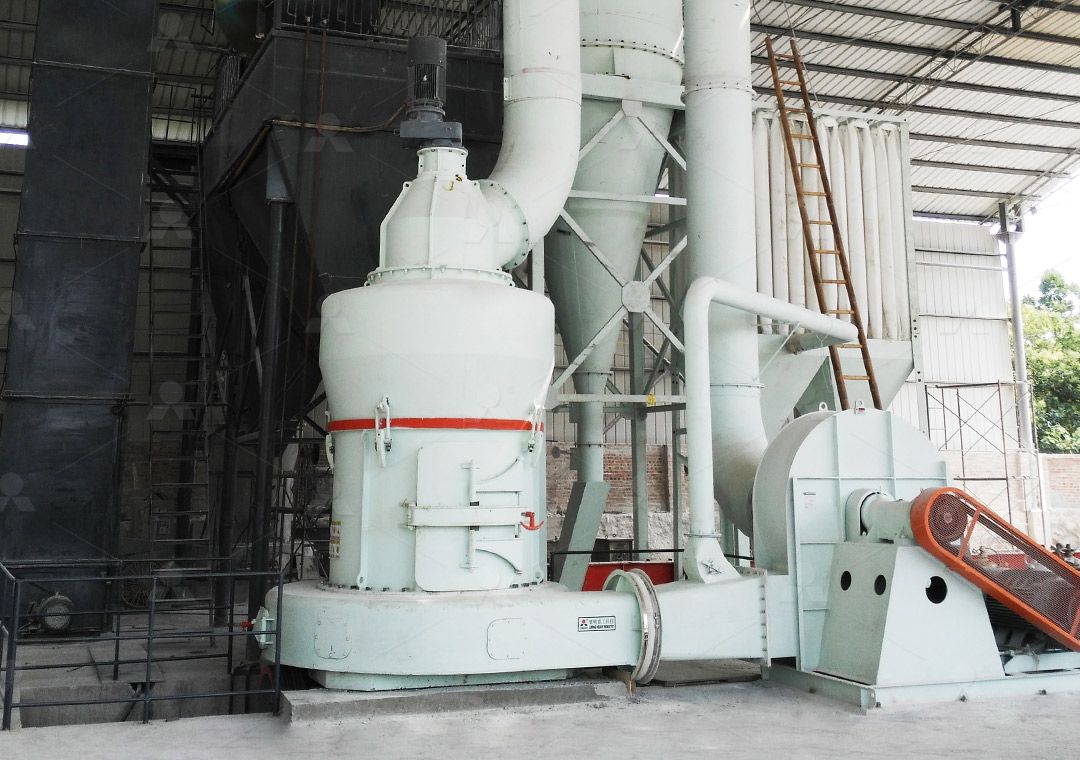
When the mill is operational, the rotor spins at high velocities—typically between 1,800 to 3,600 RPM. Material is fed into the grinding chamber through a hopper. As the material enters, it encounters the rapidly swinging hammers. The primary size reduction occurs through these impacts. Particles are shattered as they are struck by the hammers, breaking them into smaller fragments.
The Role of the Grinding Screen
Surrounding the rotor is a perforated screen that acts as a sizing control. After the initial impact, particles are thrown against this screen. Further size reduction happens as particles are ground against the screen’s surface by the hammers. The screen’s aperture size determines the final particle size; only particles small enough to pass through the holes will exit the mill. Larger particles are retained inside the chamber for continued grinding until they reach the desired size.
Air Assistance and Discharge
Many hammer mills utilize an integral fan or an external air system. This airflow serves two critical functions: it helps convey the ground material through the screen and out of the discharge chute, and it assists in cooling the mill during operation, which is particularly important for heat-sensitive materials.
Factors Influencing Grinding Efficiency
Several factors affect the performance and output of a hammer mill:
- Rotor Speed: Higher speeds generally result in finer particles due to increased impact energy.
- Hammer Configuration: The number, size, arrangement, and type (swinging vs. fixed) of hammers influence the grinding pattern.
- Screen Size: The diameter of the screen holes directly controls the maximum particle size of the product.
- Material Characteristics: The hardness, brittleness, moisture content, and feed size of the input material all play a significant role.
Beyond Traditional Hammer Mills: Advanced Grinding Solutions
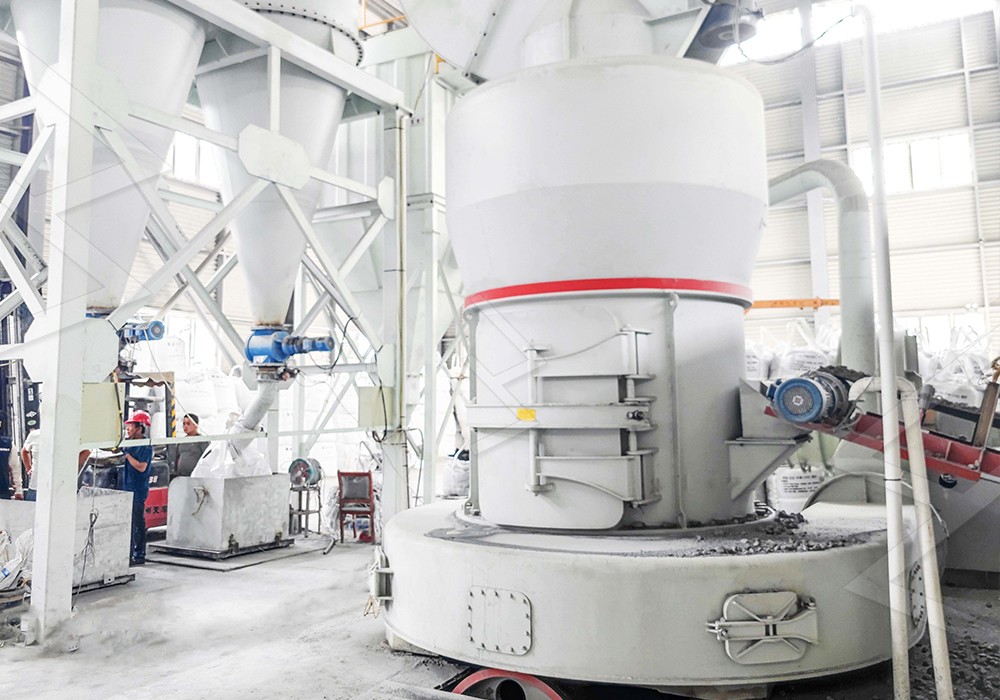
While hammer mills are excellent for coarse to medium grinding, many modern applications demand ultra-fine powders with precise particle size distribution. For these advanced needs, technologies like our MW Ultrafine Grinding Mill offer a superior solution. Engineered for customers requiring ultra-fine powder between 325 and 2500 meshes, the MW Mill achieves higher yields with 40% greater capacity than jet mills and significantly lower energy consumption—up to 70% less. Its innovative design, featuring a German-technology cage-type powder selector and an external lubrication system, ensures precise classification and allows for continuous 24/7 operation without the risk of bearing failure or loose screws causing damage.
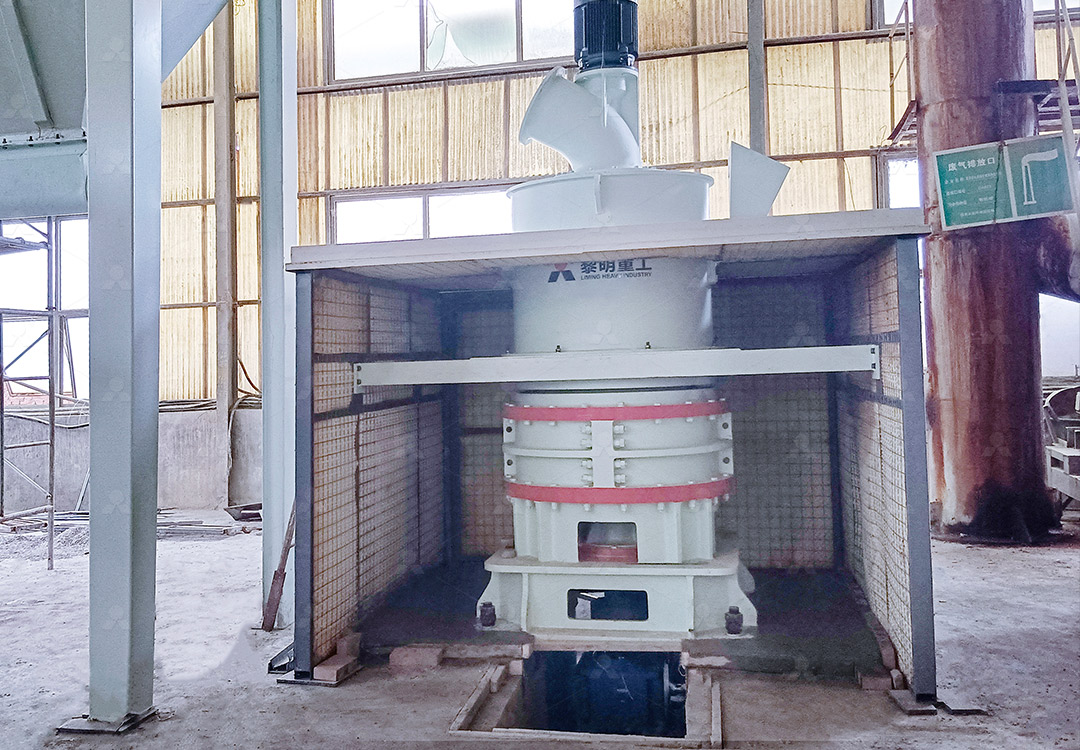
For operations requiring vertical integration and handling of slightly larger feed sizes up to 10mm, the LUM Ultrafine Vertical Grinding Mill is an ideal choice. It combines ultrafine grinding, grading, and transporting in a single, compact unit. With its unique roller shell design and multi-head powder separating technology, it ensures a high rate of finished product in a single pass, excellent whiteness, and energy savings of 30-50%.
Conclusion
The hammer mill’s principle of impact grinding makes it a workhorse for general-purpose size reduction. However, for specialized applications demanding ultra-fine, consistent powders with high efficiency and lower operational costs, advanced grinding systems like the MW and LUM mills represent the next evolution in milling technology, offering unparalleled control and productivity.
Frequently Asked Questions (FAQ)
- What is the main advantage of a hammer mill?
- The primary advantage is its versatility. It can handle a wide variety of materials and produce a range of particle sizes by simply changing the screen.
- Can hammer mills grind wet or sticky materials?
- Generally, they are not ideal for very wet or sticky materials as these can clog the screen. Pre-drying or using a mill designed with special screen cleaning mechanisms may be necessary.
- How does the MW Ultrafine Grinding Mill differ from a traditional hammer mill?
- The MW Mill uses a different grinding principle involving rollers and a ring, combined with an advanced air classifier. This allows it to achieve much finer powders (down to 5μm) with higher energy efficiency and better particle size control compared to the impact-and-screen method of a hammer mill.
- What maintenance is required for a hammer mill?
- Regular maintenance includes inspecting and replacing worn hammers, screens, and liners. Our MW and LUM mills are designed with maintenance in mind, featuring external lubrication and reversible structures to minimize downtime.
- What industries use hammer mills and ultrafine grinding mills?
- They are used across mining (limestone, calcite, gypsum), chemicals, food processing, pharmaceuticals, recycling, and construction materials production.