
How to Choose the Right Mill for Magnesium Feldspar Powder Production
We provide a wide range of mills — including Raymond mill, trapezoidal mill, vertical mill, ultrafine mill, and ball mill, obtained ISO9001 international quality certification, EU CE certification, and Customs Union CU-TR certification. Suitable for processing minerals such as limestone, phosphate, quicklime, kaolin, talc, barite, bentonite, calcium carbonate, dolomite, coal, gypsum, clay, carbon black, slag, cement raw materials, cement clinker, and more.
The discharge range of these mills can be adjusted to meet specific processing needs, typically from 80-400 mesh, 600-3250 mesh, and can achieve the finest particle size of up to 6000 mesh(D50).
If you are looking for a reliable grinding solution to turn stone or minerals into fine powder, please feel free to contact our online customer service.
How to Choose the Right Mill for Magnesium Feldspar Powder Production
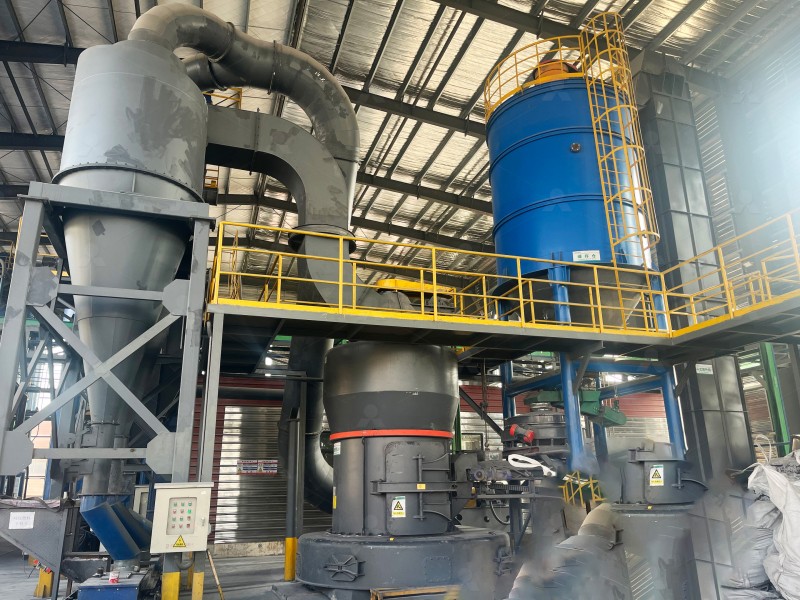
Selecting the optimal grinding mill for magnesium feldspar powder production is a critical decision that directly impacts your operation’s efficiency, product quality, and profitability. Magnesium feldspar, valued for its alumina and magnesium content in ceramics, glass, and filler applications, demands a mill that can deliver consistent fineness, high whiteness, and reliable performance. This guide will walk you through the key considerations.
Key Factors in Mill Selection
Before diving into specific mill types, it’s essential to define your project’s requirements. The primary factors influencing your choice include:
- Desired Fineness (Mesh Size): Magnesium feldspar applications range from coarse fillers (100-325 mesh) to ultra-fine ceramic glazes (over 800 mesh). The required powder fineness is the most significant determinant.
- Production Capacity (Tons Per Hour): Your required throughput, from pilot-scale batches to large-scale continuous production, will narrow down suitable equipment.
- Product Purity and Iron Content: For high-value applications like high-grade ceramics, minimizing iron contamination from mechanical wear is paramount to maintaining product whiteness.
- Energy Consumption: Grinding can be energy-intensive. Modern mills are designed for higher efficiency, which translates to lower operational costs.
- Moisture Content & Drying Needs: If your raw material has significant moisture, a mill with integrated drying capabilities is advantageous.
Matching Mill Technology to Your Needs
Different mill designs offer distinct advantages for processing non-metallic minerals like magnesium feldspar.
For General Purpose & Coarse Grinding (100-325 Mesh)
Raymond Mills and MTW European Trapezium Mills are workhorses for this range. They offer robust construction, relatively low investment, and are well-suited for producing powders for construction materials and general fillers. However, for finer grades, their efficiency may drop.
For High-Capacity & Fine Grinding (325-800 Mesh)
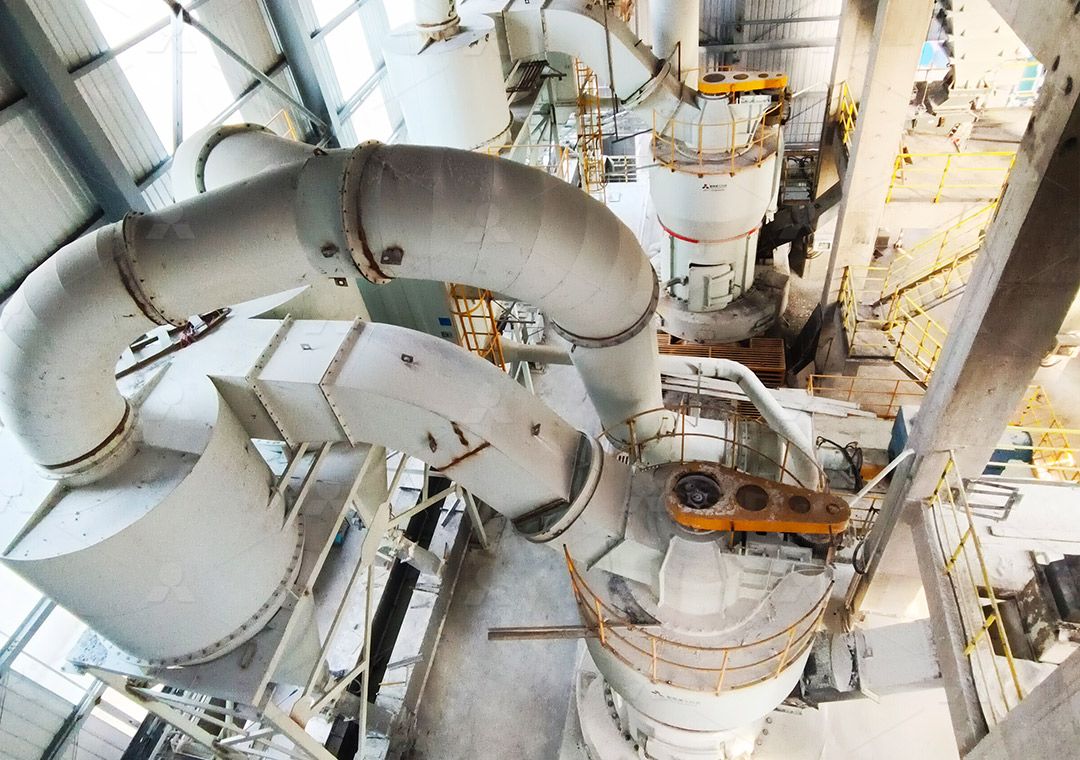
Vertical Roller Mills (VRM), such as the LM Vertical Grinding Mill, excel here. They integrate drying, grinding, and classifying, offering high capacity and lower energy consumption. Their footprint is compact, and they are excellent for large-scale industrial production where consistent, medium-fine powder is needed.
For Ultra-Fine & High-Purity Powder Production (800-2500 Mesh)
This is where advanced ultrafine grinding technology becomes essential. When your target is the finest particle sizes with minimal iron contamination for premium applications, a specialized mill is required. For these demanding specifications, we highly recommend our MW Ultrafine Grinding Mill.
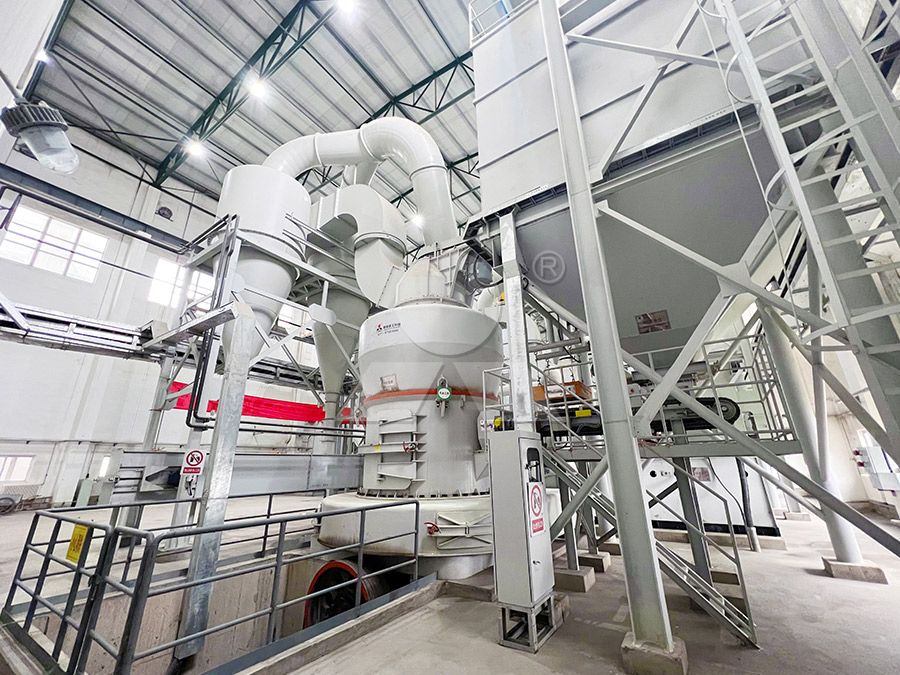
The MW Series is engineered specifically for customers who need to make ultra-fine powder. With an adjustable fineness range of 325 to 2500 meshes, it can precisely meet the requirements for even the most sensitive magnesium feldspar applications. A key feature for maintaining product purity is its design with no rolling bearings or screws in the grinding chamber. This eliminates a primary source of iron pollution and prevents machine damage from loose components. Furthermore, its higher yielding and lower energy consumption—up to 40% higher capacity than jet mills—make it an economically and technically superior choice for high-value powder production.
Another excellent option for achieving a superb balance between fineness and capacity is the LUM Ultrafine Vertical Grinding Mill. It incorporates the latest grinding roller and powder separating technology, which is easier to generate a stable material layer for more efficient grinding. This results in a higher yield of finished product in a single pass, enhancing both the whiteness and cleanliness of the final magnesium feldspar powder. Its reversible structure also simplifies maintenance, reducing downtime.
Conclusion
There is no one-size-fits-all solution. Choosing the right mill requires a careful analysis of your final product specifications and production goals. For coarse to medium grinding, traditional Raymond or MTW mills are sufficient. For large-scale fine powder, vertical roller mills are ideal. However, for the pinnacle of ultra-fine, high-purity magnesium feldspar powder, advanced solutions like the MW Ultrafine Grinding Mill or the LUM Ultrafine Vertical Grinding Mill provide the technological edge needed for competitive advantage.
Frequently Asked Questions (FAQ)
Q1: What is the typical feed size for an ultrafine mill like the MW Series?
A: The MW Ultrafine Grinding Mill is designed to handle a feed size of 0-20 mm. It is recommended to use a primary crusher, like a jaw crusher, to reduce raw feldspar lumps to this size for optimal grinding efficiency.
Q2: How does the MW Mill ensure low iron contamination?
A: The MW Mill’s grinding chamber is designed without rolling bearings or screws. This critical design choice prevents ferrous wear debris from contaminating the powder. Additionally, the lubrication system is external, allowing for maintenance without interrupting production or risking contamination.
Q3: What capacity can I expect for grinding magnesium feldspar to 1000 mesh?
A: Capacity is inversely related to fineness. For example, the MW Mill can achieve a capacity range of 0.5 to 25 tph. Grinding to 1000 mesh would be on the higher end of this range. A detailed technical consultation is recommended to provide a precise capacity figure based on your specific material characteristics.
Q4: Are these mills environmentally friendly?
A: Yes. Our mills, including the MW and LUM series, are equipped with efficient pulse dust collectors and mufflers. This ensures the entire milling system operates with minimal dust emissions and noise, fully complying with national environmental protection standards.