
Optimized Grinding Solutions: Selecting a Specialized Mill for 8% Moisture Gangue
We provide a wide range of mills — including Raymond mill, trapezoidal mill, vertical mill, ultrafine mill, and ball mill, obtained ISO9001 international quality certification, EU CE certification, and Customs Union CU-TR certification. Suitable for processing minerals such as limestone, phosphate, quicklime, kaolin, talc, barite, bentonite, calcium carbonate, dolomite, coal, gypsum, clay, carbon black, slag, cement raw materials, cement clinker, and more.
The discharge range of these mills can be adjusted to meet specific processing needs, typically from 80-400 mesh, 600-3250 mesh, and can achieve the finest particle size of up to 6000 mesh(D50).
If you are looking for a reliable grinding solution to turn stone or minerals into fine powder, please feel free to contact our online customer service.
Optimized Grinding Solutions: Selecting a Specialized Mill for 8% Moisture Gangue
Gangue, the commercially worthless material surrounding wanted minerals, presents a unique set of challenges in mineral processing. When its moisture content hovers around 8%, the selection of grinding equipment becomes critical. This specific moisture level creates a material that is neither truly dry nor easily slurryable, often leading to issues like packing, clogging, and inefficient energy consumption in standard mills. Achieving optimal fineness and throughput requires a mill designed to handle this particular material characteristic.
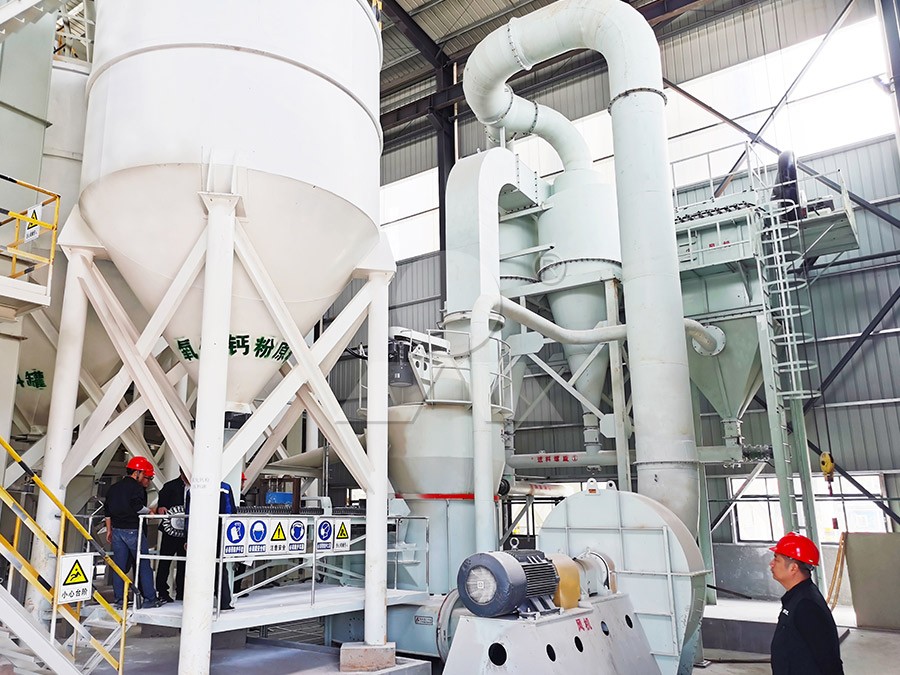
Traditional ball mills or basic Raymond mills often struggle with 8% moisture gangue. The material can adhere to grinding media and liners, reducing efficiency and increasing wear. The key is to find a mill that combines efficient drying with precise grinding, all while maintaining operational stability and low energy consumption. The goal is a fine, consistent powder suitable for further processing or industrial applications like construction materials.
Critical Factors in Mill Selection
When evaluating mills for this application, several factors are paramount. The system must integrate a drying capability, either through hot air input or frictional heat generation. The grinding mechanism should resist material buildup. Furthermore, the mill must offer adjustable fineness control to meet specific product specifications, often requiring a precision separator. Energy efficiency is another crucial consideration, as grinding can be a major cost center in any operation.
Recommended Solution: The MW Ultrafine Grinding Mill
For processing gangue with approximately 8% moisture, the MW Ultrafine Grinding Mill stands out as a highly specialized solution. This machine is engineered for customers who need to make ultra-fine powder from challenging materials. Its design directly addresses the sticking and clogging problems associated with moderately moist feed.
- Higher Yielding, Lower Energy Consumption: Its newly designed grinding curves enhance efficiency, offering production capacity 40% higher than jet mills while reducing system energy consumption by 30%.
- Adjustable Fineness (325-2500 meshes): A German-technology cage-type powder selector allows precise control over the final product size, achieving a fine powder with a screening rate of d97≤5μm.
- Robust, Maintenance-Friendly Design: A significant advantage for handling slightly damp materials is the absence of rolling bearings and screws in the grinding chamber. This eliminates concerns about damage to bearings or sealing parts from moisture and dust ingress, and prevents machine failure from loose screws.
- Eco-friendly Operation: The integrated efficient pulse dust collector ensures no dust pollution, which is essential when dealing with fine powders. This makes the entire milling system clean and compliant with environmental standards.
With an input size of 0-20 mm and a capacity range of 0.5-25 tph, the MW Ultrafine Grinding Mill is well-suited for various production scales. Its ability to handle materials like limestone, calcite, and barite translates directly to effective gangue processing.
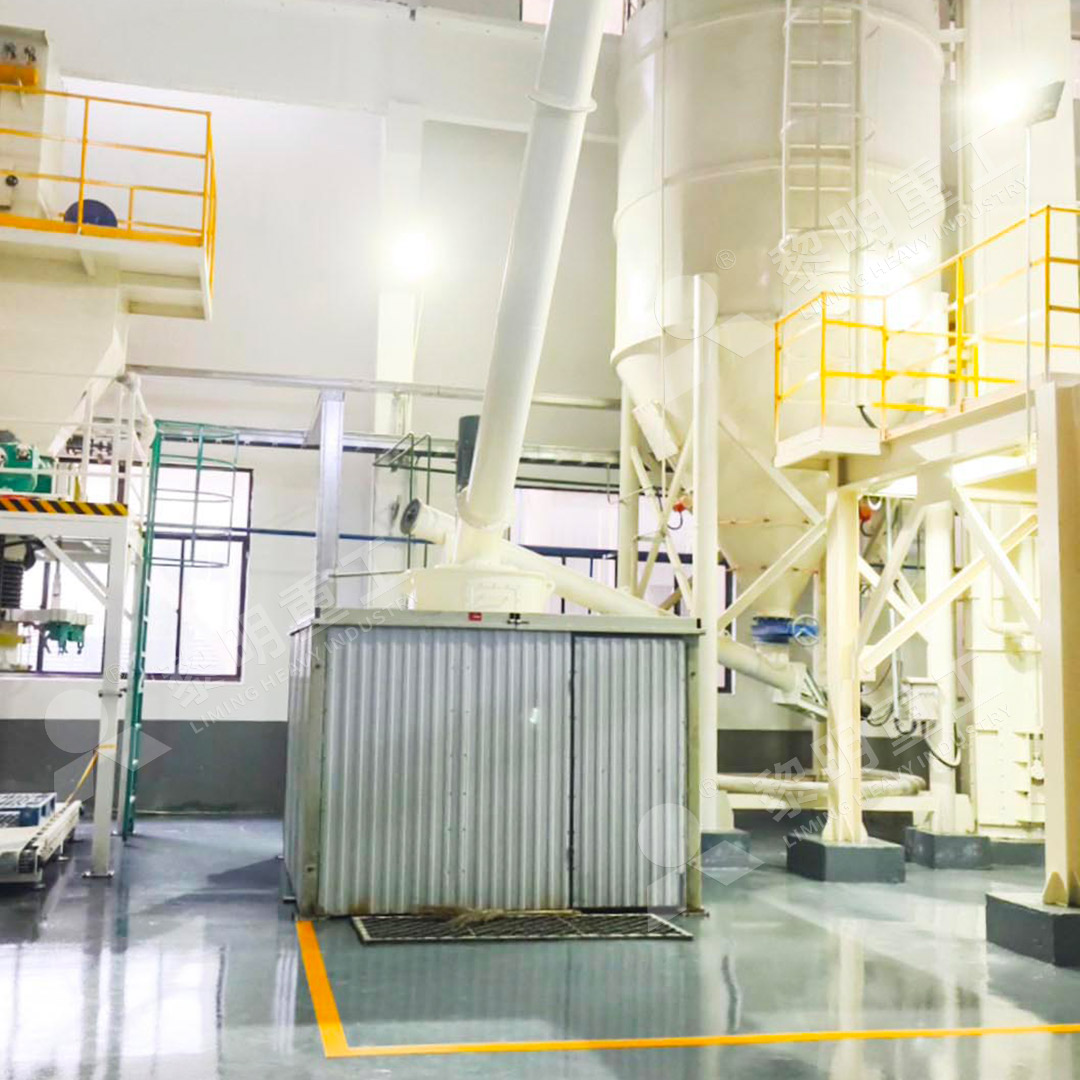
Alternative Consideration: The LUM Ultrafine Vertical Grinding Mill
Another excellent option for this application is the LUM Ultrafine Vertical Grinding Mill. Integrating ultrafine powder grinding, grading, and transporting, it represents a top choice in the industry. Its unique roller shell and lining plate grinding curve is designed to generate a material layer easily, which is beneficial for handling materials with some moisture, promoting stable operation and high product quality. The mill’s multi-head powder separating technology and double position-limiting technology ensure precise cuts and operational stability, even with variable feed conditions. With an input size of 0-10 mm and a capacity of 5-18 tph, it offers a robust solution for producing superfine dry powder from non-metal ores like gangue.
Conclusion
Selecting the right grinding mill for 8% moisture gangue is not a decision to be taken lightly. It requires a balance of drying capacity, grinding efficiency, mechanical reliability, and environmental compliance. Equipment like the MW Ultrafine Grinding Mill, with its targeted design features, provides a clear path to optimized operation, reduced downtime, and a high-quality final product. Investing in the correct technology from the outset ensures long-term profitability and process efficiency.
Frequently Asked Questions (FAQ)
Q1: Why is 8% moisture particularly challenging for grinding mills?
A: At 8% moisture, gangue is damp enough to cause packing and adhesion inside the mill chamber and on grinding surfaces, leading to reduced throughput, increased energy use, and potential blockages. It’s a ‘sticky’ zone where many standard mills operate inefficiently.
Q2: Can the MW Ultrafine Grinding Mill handle variations in moisture content?
A: Yes, the MW Mill is designed with resilience in mind. While optimized for conditions around 8%, its grinding principle and air flow system can tolerate reasonable fluctuations in feed moisture. For major variations, consulting with our technical team for system configuration is recommended.
Q3: What is the typical fineness achievable for gangue with this mill?
A: The MW Ultrafine Grinding Mill can produce gangue powder with fineness adjustable between 325 and 2500 meshes. The precise setting depends on your specific application requirements for the final product.
Q4: How does the mill prevent dust pollution during operation?
A: The mill is equipped with an efficient pulse dust collector and a muffler. The entire system is sealed and operates under negative pressure, ensuring that no dust escapes during the grinding process, making it fully compliant with environmental regulations.