
Development of Efficient and Intelligent Limestone Powder Equipment
We provide a wide range of mills — including Raymond mill, trapezoidal mill, vertical mill, ultrafine mill, and ball mill, obtained ISO9001 international quality certification, EU CE certification, and Customs Union CU-TR certification. Suitable for processing minerals such as limestone, phosphate, quicklime, kaolin, talc, barite, bentonite, calcium carbonate, dolomite, coal, gypsum, clay, carbon black, slag, cement raw materials, cement clinker, and more.
The discharge range of these mills can be adjusted to meet specific processing needs, typically from 80-400 mesh, 600-3250 mesh, and can achieve the finest particle size of up to 6000 mesh(D50).
If you are looking for a reliable grinding solution to turn stone or minerals into fine powder, please feel free to contact our online customer service.
Development of Efficient and Intelligent Limestone Powder Equipment
The limestone processing industry is undergoing a significant transformation, driven by the dual demands of heightened operational efficiency and stricter environmental regulations. Modern limestone powder production is no longer just about size reduction; it’s about achieving precise particle distribution, minimizing energy consumption, and ensuring a clean, sustainable operation. This evolution has spurred the development of advanced grinding equipment that integrates intelligent control systems with robust mechanical design.
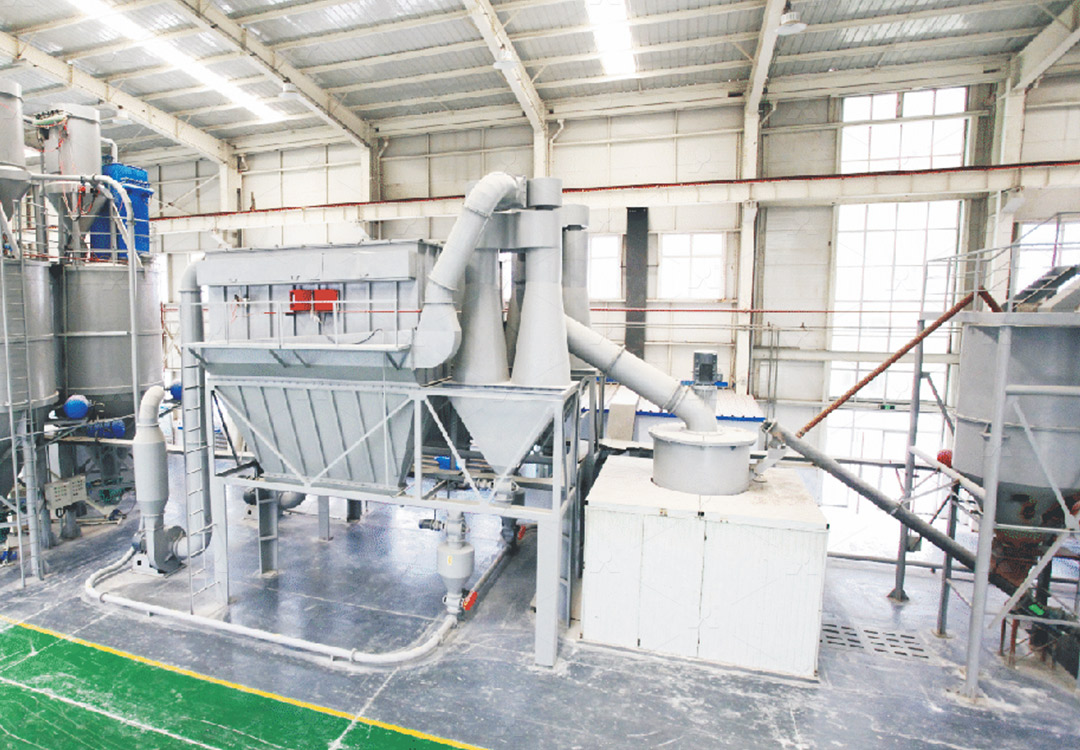
At the forefront of this technological shift are ultrafine grinding solutions. These systems are engineered to handle a feed size of 0-20 mm and deliver a consistent output ranging from 0.5 to 25 tons per hour. A key innovation in this category is the MW Ultrafine Grinding Mill. This machine is specifically designed for customers requiring ultra-fine powder. Its design philosophy prioritizes not only high yield but also environmental stewardship. The integration of an efficient pulse dust collector and muffler ensures that dust and noise are significantly reduced, making the entire production process compliant with modern environmental standards. The grinding efficiency is enhanced by newly designed grinding curves for the roller and ring, resulting in a production capacity that is 40% higher than jet or stirred grinding mills under the same power and fineness conditions.
Intelligent Control and Operational Stability
Intelligence in modern mills extends beyond simple automation. Advanced models feature PLC control systems and multi-head powder separating technology, which allow for precise control over grinding pressure and rotational speed. This capability enables operators to quickly switch between different production demands without sacrificing precision. For instance, the fineness of the final product can be accurately adjusted between 325 and 2500 meshes, with a high screening rate achieving d97≤5μm in a single pass. This level of control is crucial for applications in industries like paint, cosmetics, and food additives, where product consistency is paramount.
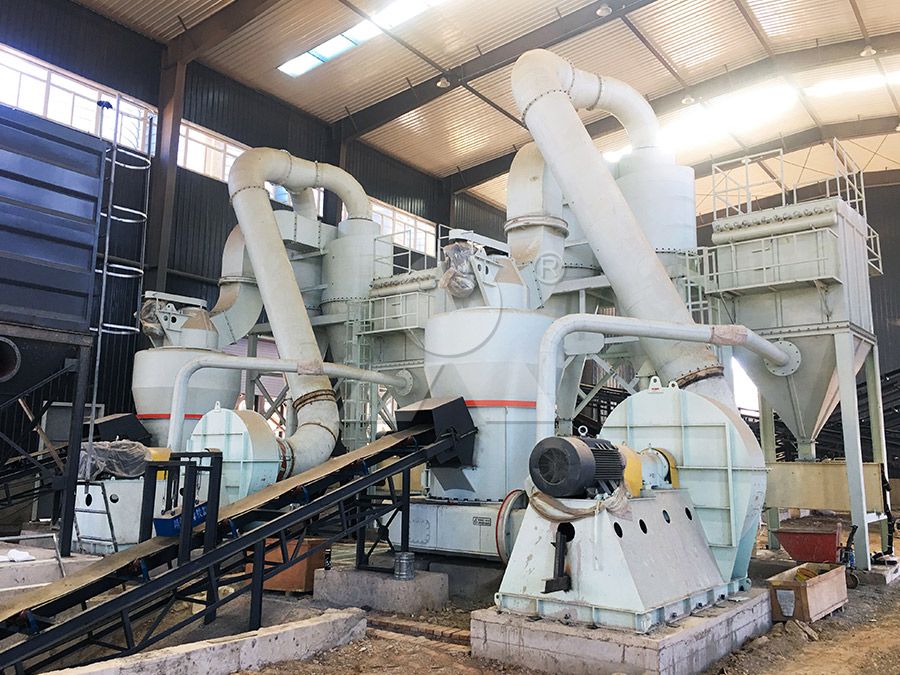
Another critical aspect of intelligent design is maintenance and reliability. Modern equipment addresses common failure points head-on. The LUM Ultrafine Vertical Grinding Mill, for example, incorporates a reversible structure. This design, coupled with a hydraulic adjustment system, allows operators to easily move the grinding roller out of the main body for inspection and maintenance. This feature drastically reduces downtime and associated losses. Furthermore, the elimination of rolling bearings and screws inside the grinding chamber of mills like the MW series removes concerns about bearing damage or loose screws causing machine failure.
Eco-Friendly and Sustainable Production
Sustainability is a non-negotiable feature in new equipment development. The entire milling system is designed to operate under negative pressure, preventing dust from escaping into the workspace. Efficient pulse dust collectors ensure that no dust pollution is generated during operation. Additionally, the use of silencers and noise elimination rooms brings operational noise down to acceptable levels, protecting both workers and the surrounding environment. This commitment to eco-friendly operation is fully aligned with national and international environmental protection standards.
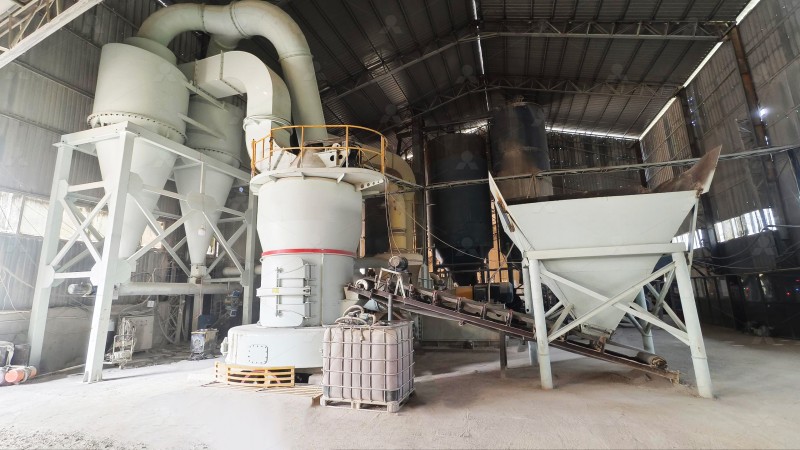
For operations seeking a versatile and highly efficient solution, the MW Ultrafine Grinding Mill stands out. Its cage-type powder selector, which adopts German technology, increases the precision of powder separation. The external lubrication system allows for maintenance without shutdowns, supporting continuous 24-hour production. This combination of high efficiency, environmental compliance, and operational reliability makes it an excellent choice for modern limestone processing plants aiming to enhance their productivity and sustainability profile.
Frequently Asked Questions (FAQ)
What is the typical input size for advanced limestone grinding mills?
Modern mills like the MW Ultrafine Grinding Mill are designed to handle a wide range of feed sizes, typically from 0 mm up to 20 mm, providing flexibility in upstream crushing processes.
How does intelligent control improve grinding efficiency?
Intelligent PLC systems allow for precise control over parameters like grinding pressure and roller speed. This enables optimized performance for different material batches and desired fineness levels, leading to higher yields and lower energy consumption per ton of product.
Are these grinding systems environmentally friendly?
Yes, leading models are equipped with integrated pulse dust collectors and mufflers to minimize dust emissions and noise pollution. The systems operate under negative pressure to contain particulates, ensuring compliance with environmental regulations.
What are the advantages of a vertical grinding mill design?
Vertical mills, such as the LUM series, offer a compact footprint, integrating crushing, drying, grinding, and classifying into a single unit. This leads to lower overall investment costs, reduced energy consumption (30-50% less than ball mills), and easier maintenance due to designs like the reversible roller system.
Can the fineness of the final limestone powder be adjusted?
Absolutely. Advanced powder selectors allow operators to adjust the product fineness within a wide range, for example, from 325 to 2500 meshes, to meet specific application requirements in various industries.