
Optimizing the Crushing and Milling Process of Broken Glass for Industrial Applications
We provide a wide range of mills — including Raymond mill, trapezoidal mill, vertical mill, ultrafine mill, and ball mill, obtained ISO9001 international quality certification, EU CE certification, and Customs Union CU-TR certification. Suitable for processing minerals such as limestone, phosphate, quicklime, kaolin, talc, barite, bentonite, calcium carbonate, dolomite, coal, gypsum, clay, carbon black, slag, cement raw materials, cement clinker, and more.
The discharge range of these mills can be adjusted to meet specific processing needs, typically from 80-400 mesh, 600-3250 mesh, and can achieve the finest particle size of up to 6000 mesh(D50).
If you are looking for a reliable grinding solution to turn stone or minerals into fine powder, please feel free to contact our online customer service.
Optimizing the Crushing and Milling Process of Broken Glass for Industrial Applications
The effective recycling and repurposing of waste glass, or cullet, presents a significant opportunity for industries ranging from construction materials to abrasives and filtration media. However, transforming this brittle, often inconsistent material into a high-value, uniform powder requires a meticulously optimized crushing and milling process. The primary challenges lie in achieving the desired particle size distribution while minimizing contamination, energy consumption, and equipment wear. This article explores the key considerations and technological solutions for industrial-scale glass recycling.
The Initial Reduction: Primary and Secondary Crushing
Before fine milling can begin, collected glass must be reduced to a manageable feed size. Jaw crushers are typically employed for primary crushing, breaking large glass pieces down to fragments of less than 50mm. This stage is critical for removing any remaining contaminants and ensuring a consistent feed for subsequent milling equipment. Following primary crushing, a secondary crusher, such as a cone or impact crusher, further reduces the glass to a size suitable for fine grinding mills, typically aiming for an input size of 0-20mm.
The Core of Fineness: Selecting the Right Milling Technology
The choice of milling equipment is paramount. Traditional ball mills, while common, can be inefficient for ultra-fine applications and may introduce iron contamination from grinding media wear. For producing high-purity, fine glass powders, advanced grinding mills offer superior performance. A standout solution for this application is our MW Ultrafine Grinding Mill.
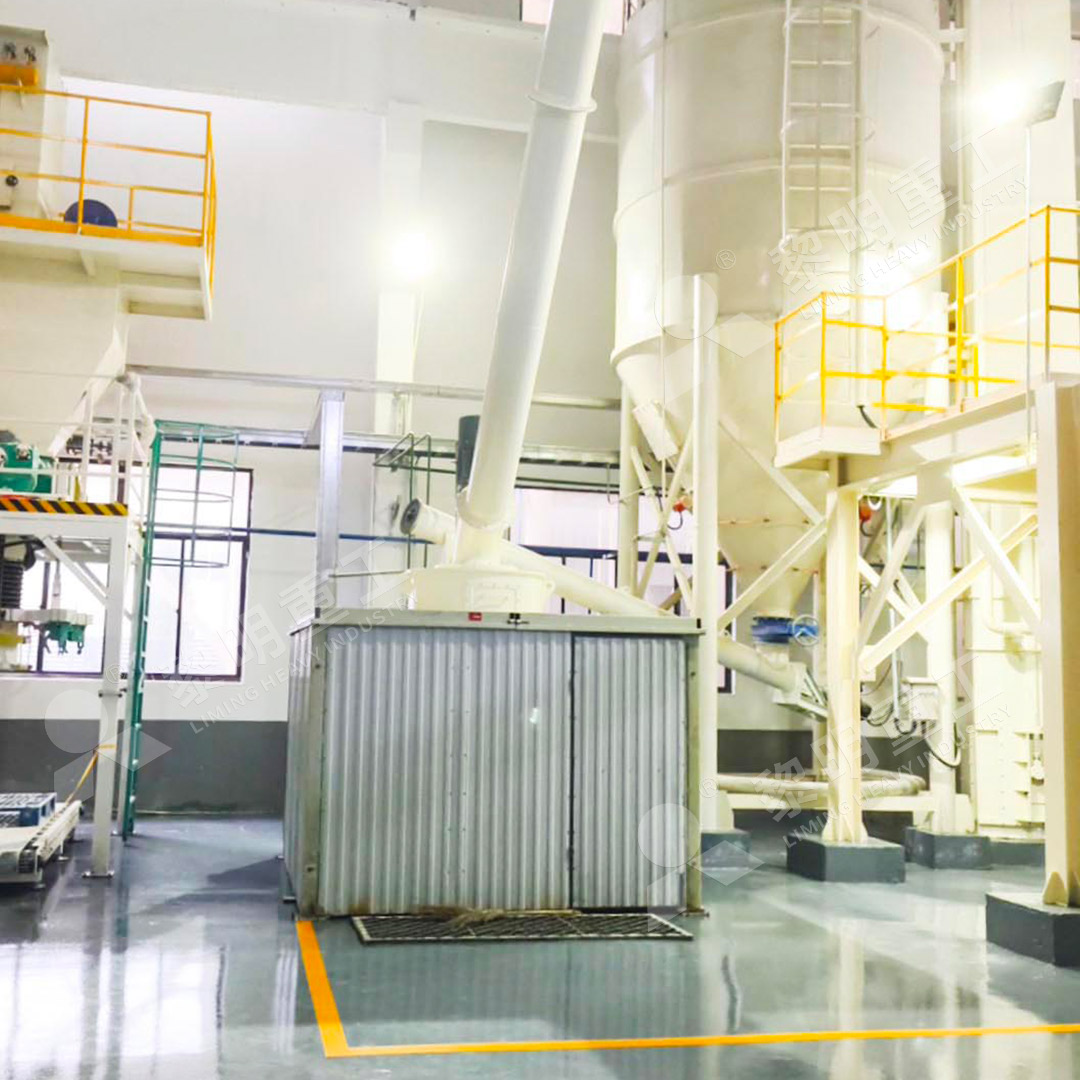
Specifically designed for customers requiring ultra-fine powder, the MW Mill accepts a feed size of 0-20 mm with a capacity ranging from 0.5 to 25 tph. Its innovative design eliminates rolling bearings and screws within the grinding chamber, a crucial feature for processing abrasive materials like glass. This design prevents catastrophic failures due to bearing damage or loose screws, ensuring exceptional operational reliability. Furthermore, the mill’s efficient pulse dust collector and muffler system guarantee a clean, low-noise production environment, aligning with stringent environmental standards.
Advantages of the MW Ultrafine Grinding Mill for Glass Processing
- Higher Yielding, Lower Energy Consumption: Newly designed grinding curves enhance efficiency, offering 40% higher capacity than jet mills and double the yield of ball mills, while using only 30% of the energy of a jet mill.
- Adjustable Fineness (325-2500 meshes): A German-technology cage-type powder selector allows precise control over the final product’s fineness, achieving a screening rate of d97≤5μm in a single pass. This is ideal for creating specialized glass powders for composites or coatings.
- Minimal Contamination: The absence of internal mechanical elements that can wear and the external lubrication system ensure the final glass powder maintains high purity, which is essential for sensitive applications like food-grade packaging or optical materials.
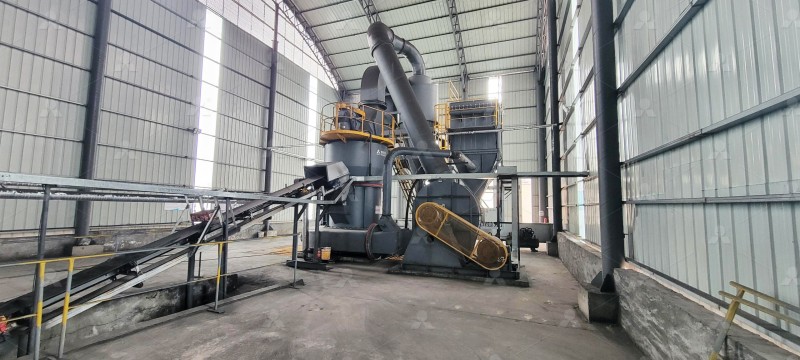
For operations requiring a vertical mill solution with integrated drying capabilities, our LUM Ultrafine Vertical Grinding Mill is another excellent choice. Integrating grinding, grading, and transporting, the LUM Mill features a unique roller shell and lining plate grinding curve that is easier to generate a stable material layer, perfect for consistent glass powder production. Its multi-head powder separating technology, controlled by a PLC system, allows for precise adjustments to meet different production demands with 30%-50% lower energy consumption compared to common grinding mills.
Conclusion: A Sustainable and Profitable Pathway
By implementing an optimized process that pairs effective primary crushing with advanced milling technology like the MW or LUM Ultrafine Grinding Mill, industries can transform waste glass from an environmental liability into a high-value raw material. This approach not only supports circular economy goals but also delivers significant economic benefits through reduced energy costs, higher product quality, and minimal operational downtime.
Frequently Asked Questions (FAQ)
What is the ideal feed size for an ultrafine glass grinding mill?
The ideal feed size is typically between 0-20mm, which is achieved after primary and secondary crushing. This ensures efficient operation and optimal wear on the milling equipment.
How does the MW Ultrafine Grinding Mill prevent iron contamination in the glass powder?
The MW Mill is designed with no rolling bearings or screws inside the grinding chamber. This eliminates the primary sources of metallic wear debris. Additionally, the external lubrication system ensures no lubricants contaminate the product.
What fineness can be achieved for glass powder, and what applications suit different fineness levels?
With mills like the MW series, fineness can be adjusted between 325 and 2500 meshes. Coarser powders (325-800 meshes) are suitable for sandblasting and construction aggregates, while finer powders (800-2500 meshes) are used in paints, coatings, and high-performance composites.
How important is dust control in glass milling operations?
Extremely important. Glass dust can be a respiratory hazard. Modern mills like the MW and LUM are equipped with efficient pulse dust collectors that contain dust within the system, ensuring a safe working environment and compliance with health regulations.