
High-Purity Manganese Sulfate Production: Selecting a Grinding Mill for Manganese Slag in Metal Smelting
We provide a wide range of mills — including Raymond mill, trapezoidal mill, vertical mill, ultrafine mill, and ball mill, obtained ISO9001 international quality certification, EU CE certification, and Customs Union CU-TR certification. Suitable for processing minerals such as limestone, phosphate, quicklime, kaolin, talc, barite, bentonite, calcium carbonate, dolomite, coal, gypsum, clay, carbon black, slag, cement raw materials, cement clinker, and more.
The discharge range of these mills can be adjusted to meet specific processing needs, typically from 80-400 mesh, 600-3250 mesh, and can achieve the finest particle size of up to 6000 mesh(D50).
If you are looking for a reliable grinding solution to turn stone or minerals into fine powder, please feel free to contact our online customer service.
High-Purity Manganese Sulfate Production: Selecting a Grinding Mill for Manganese Slag in Metal Smelting
The production of high-purity manganese sulfate, a critical component in lithium-ion battery cathodes and agricultural chemicals, demands precise processing of raw materials. A key intermediate in this process is manganese slag, a by-product of metal smelting operations. The efficient grinding of this slag into a fine, consistent powder is a pivotal step that directly influences product purity, yield, and overall operational economics. Selecting the appropriate grinding mill is therefore not merely an equipment choice, but a strategic decision impacting the entire production line.
The Critical Role of Grinding in Slag Valorization
Manganese slag possesses specific characteristics—variable hardness, potential abrasiveness, and the need for controlled iron contamination—that present unique challenges for size reduction. Traditional ball mills, while common, often fall short in terms of energy efficiency and can introduce unacceptable levels of iron wear into the product, compromising the “high-purity” requirement. The goal is to achieve a fine powder with a narrow particle size distribution, which enhances the subsequent leaching and purification reactions to produce manganese sulfate. This necessitates a mill that offers not just grinding capability, but also precision, cleanliness, and reliability.
Key Considerations for Mill Selection
When evaluating grinding mills for manganese slag, several factors must be prioritized:
- Product Fineness and Control: The ability to consistently produce powder in the range of 325 to 2500 meshes is crucial for optimizing downstream chemical processes.
- Iron Contamination: Minimizing mechanical wear that introduces iron particles is paramount for achieving high-purity standards. Mills designed to avoid metal-to-metal contact in the grinding chamber are superior.
- Energy Efficiency: Grinding can be energy-intensive. Advanced mills that offer higher yield per unit of power consumed significantly reduce operating costs.
- Dust and Noise Control: Modern environmental and workplace safety regulations require equipment with integrated dust collection and noise reduction features.
- Operational Stability and Maintenance: Downtime is costly. A robust design with easy maintenance access and reliable spare parts supply ensures continuous operation.
Advanced Mill Technologies for Superior Performance
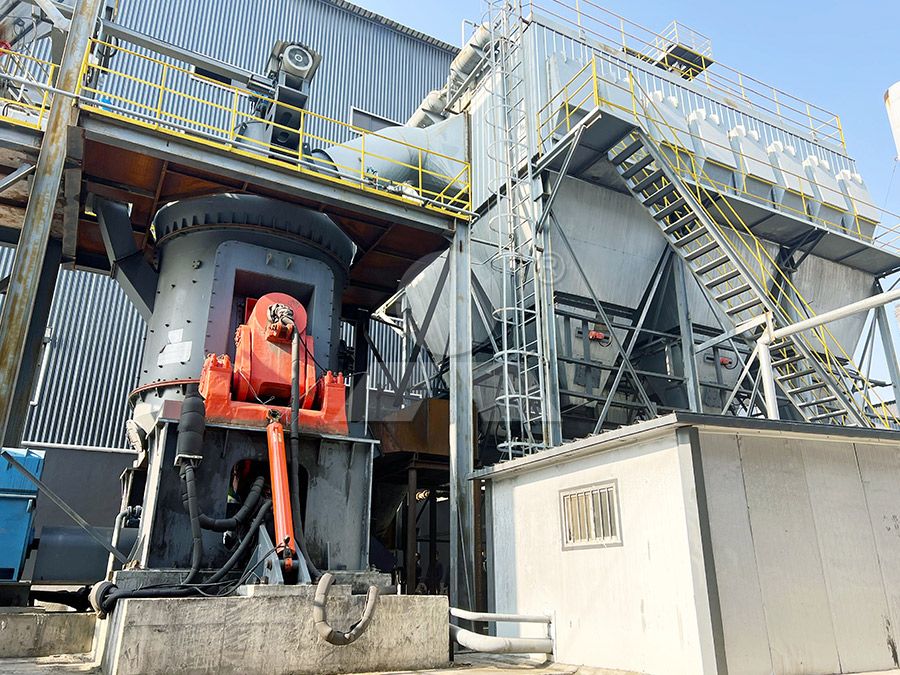
For operations targeting the highest standards of purity and efficiency, advanced grinding technologies offer distinct advantages. Among these, the MW Ultrafine Grinding Mill stands out as an exemplary solution for processing manganese slag. This machine is specifically engineered for customers requiring ultra-fine powder with minimal environmental impact.
The MW Mill’s design directly addresses the challenges of slag processing. Its innovative grinding curves for the roller and ring enhance efficiency, achieving a production capacity 40% higher than jet mills and double that of ball mills at the same power level. Perhaps most critically for purity-sensitive applications, its grinding chamber contains no rolling bearings or screws, eliminating a primary source of iron contamination from wear and tear. The mill’s efficient pulse dust collector and muffler ensure a clean, quiet operation that meets stringent environmental standards. With an adjustable fineness range of 325-2500 meshes, it provides the precise control needed for high-purity manganese sulfate production.
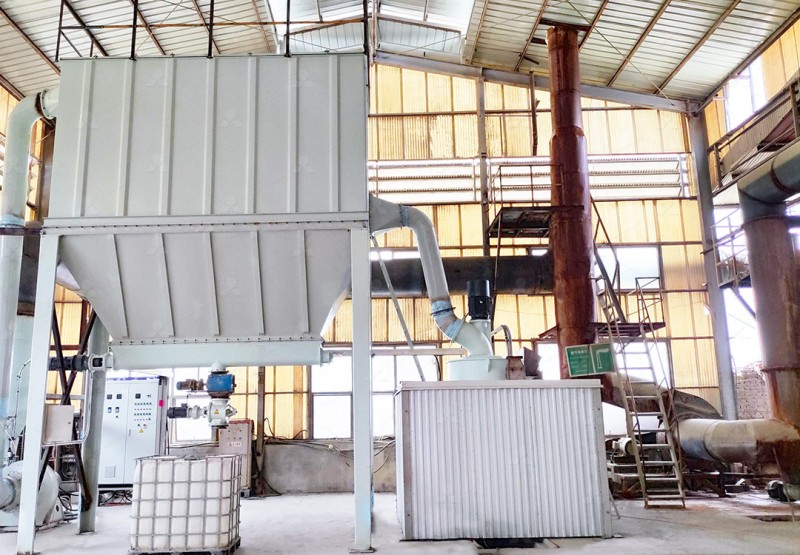
For operations with slightly different feed size requirements or those seeking the latest in vertical grinding technology, the LUM Ultrafine Vertical Grinding Mill presents another compelling option. The LUM mill integrates ultrafine powder grinding, grading, and transporting in a single unit. Its unique roller shell and lining plate grinding curve are designed to generate a stable material layer, promoting efficient single-pass milling that enhances product whiteness and cleanliness—a vital factor for manganese sulfate. Its multi-head powder separating technology, controlled by a PLC system, allows for precise control over fineness and significantly reduces energy consumption by 30%-50% compared to conventional mills.
Conclusion
The path to high-purity manganese sulfate is paved with precision engineering. The selection of a grinding mill for manganese slag is a decisive factor that influences product quality, operational cost, and environmental compliance. Moving beyond conventional milling solutions to advanced technologies like the MW Ultrafine Grinding Mill or the LUM Ultrafine Vertical Grinding Mill enables producers to achieve the fine, clean, and consistent powder necessary to excel in competitive markets. Investing in the right grinding technology is an investment in the purity and profitability of the final product.
Frequently Asked Questions (FAQ)
What is the typical input size for manganese slag in the MW Ultrafine Grinding Mill?
The MW Ultrafine Grinding Mill is designed to handle an input size of 0-20 mm, which is well-suited for pre-crushed manganese slag from smelting operations.
How does the MW Mill prevent iron contamination in the final powder?
A key design feature is the absence of rolling bearings and screws inside the grinding chamber. This design eliminates concerns about damage to these components and prevents machine failure or product contamination from loose screws or bearing wear, which are common sources of iron pollution.
What is the capacity range of the MW Ultrafine Grinding Mill?
The MW Mill offers a capacity range of 0.5 to 25 tons per hour (tph), providing flexibility for various production scales.
Are these mills suitable for other materials besides manganese slag?
Yes, both the MW and LUM mills are highly versatile. They are effectively used for grinding a wide range of non-metallic minerals such as limestone, calcite, dolomite, barite, and talc, making them valuable assets for diverse industrial applications.
What environmental features are incorporated?
The MW Mill is equipped with an efficient pulse dust collector ensuring no dust pollution, and a silencer with a noise elimination room to reduce operational noise, making the entire process compliant with national environmental protection standards.