
High-Speed Wet Stone Grinder: Boosting Efficiency in Industrial Milling
We provide a wide range of mills — including Raymond mill, trapezoidal mill, vertical mill, ultrafine mill, and ball mill, obtained ISO9001 international quality certification, EU CE certification, and Customs Union CU-TR certification. Suitable for processing minerals such as limestone, phosphate, quicklime, kaolin, talc, barite, bentonite, calcium carbonate, dolomite, coal, gypsum, clay, carbon black, slag, cement raw materials, cement clinker, and more.
The discharge range of these mills can be adjusted to meet specific processing needs, typically from 80-400 mesh, 600-3250 mesh, and can achieve the finest particle size of up to 6000 mesh(D50).
If you are looking for a reliable grinding solution to turn stone or minerals into fine powder, please feel free to contact our online customer service.
High-Speed Wet Stone Grinder: Boosting Efficiency in Industrial Milling
In the demanding world of industrial mineral processing, achieving optimal efficiency and product quality is paramount. Traditional grinding methods often struggle to meet the rigorous requirements for ultra-fine powders used in advanced applications across chemicals, paints, cosmetics, and food additives. The evolution of milling technology has led to the development of high-speed grinding systems that significantly enhance throughput while reducing operational costs.
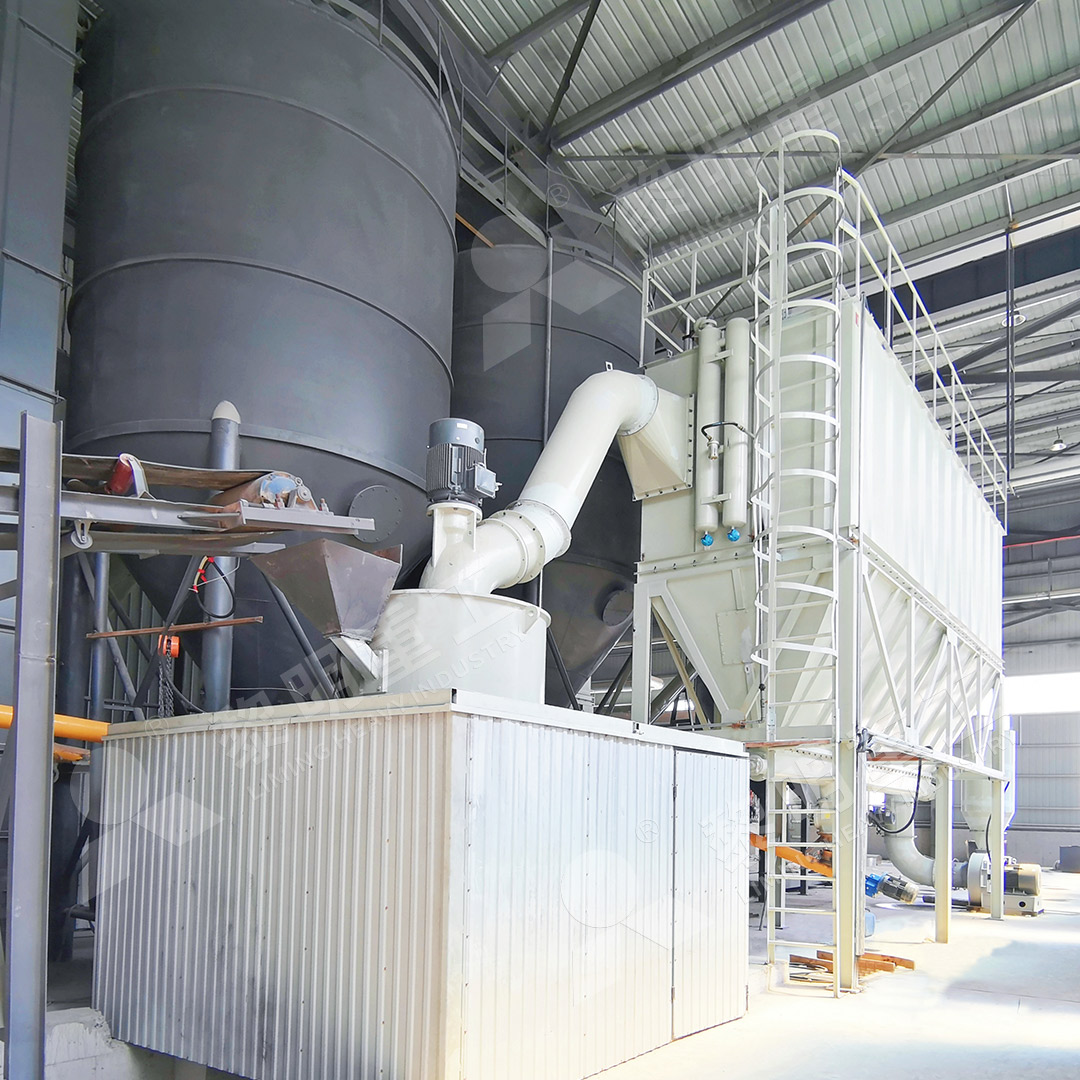
The Shift to Advanced Grinding Solutions
Conventional ball mills and early-generation Raymond mills, while reliable, often incur high energy consumption and offer limited control over particle size distribution. The industry’s move towards finer powders and stricter environmental regulations has necessitated a technological leap. Modern high-speed grinders address these challenges through innovative engineering, focusing on precision, energy efficiency, and environmental compliance.
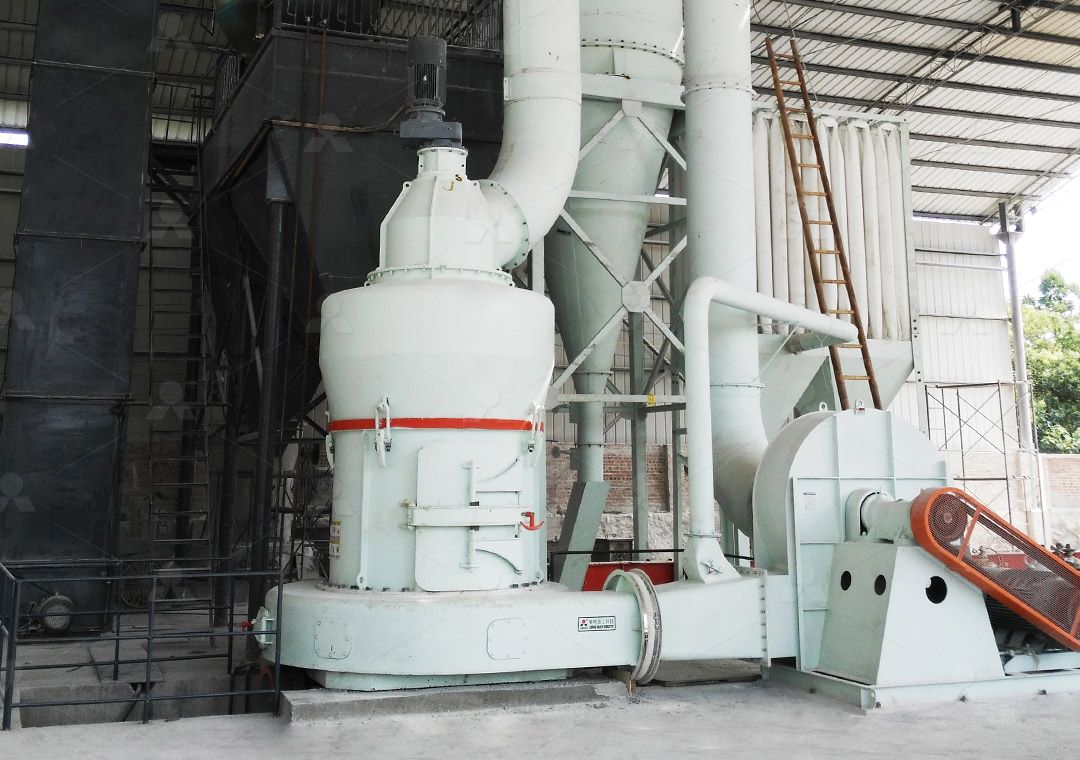
One standout solution in this category is the MW Ultrafine Grinding Mill. Engineered for customers requiring ultra-fine powder between 325 and 2500 meshes, this machine represents a significant advancement. Its design incorporates an efficient pulse dust collector and muffler, ensuring minimal dust and noise pollution. With an input size of 0-20 mm and a capacity ranging from 0.5 to 25 tons per hour, it is particularly effective for processing materials like limestone, calcite, dolomite, and gypsum. A key advantage is its grinding efficiency; it delivers a production capacity 40% higher than jet or stirred grinding mills and double that of a ball mill, all while consuming 30% less energy than jet mills.
Key Innovations Driving Performance
The core of high-speed grinding efficiency lies in several critical design features. The absence of rolling bearings and screws within the grinding chamber of the MW Mill eliminates common failure points, preventing damage and machine failure due to loose components. External lubrication allows for maintenance without shutdowns, supporting continuous 24/7 production cycles.
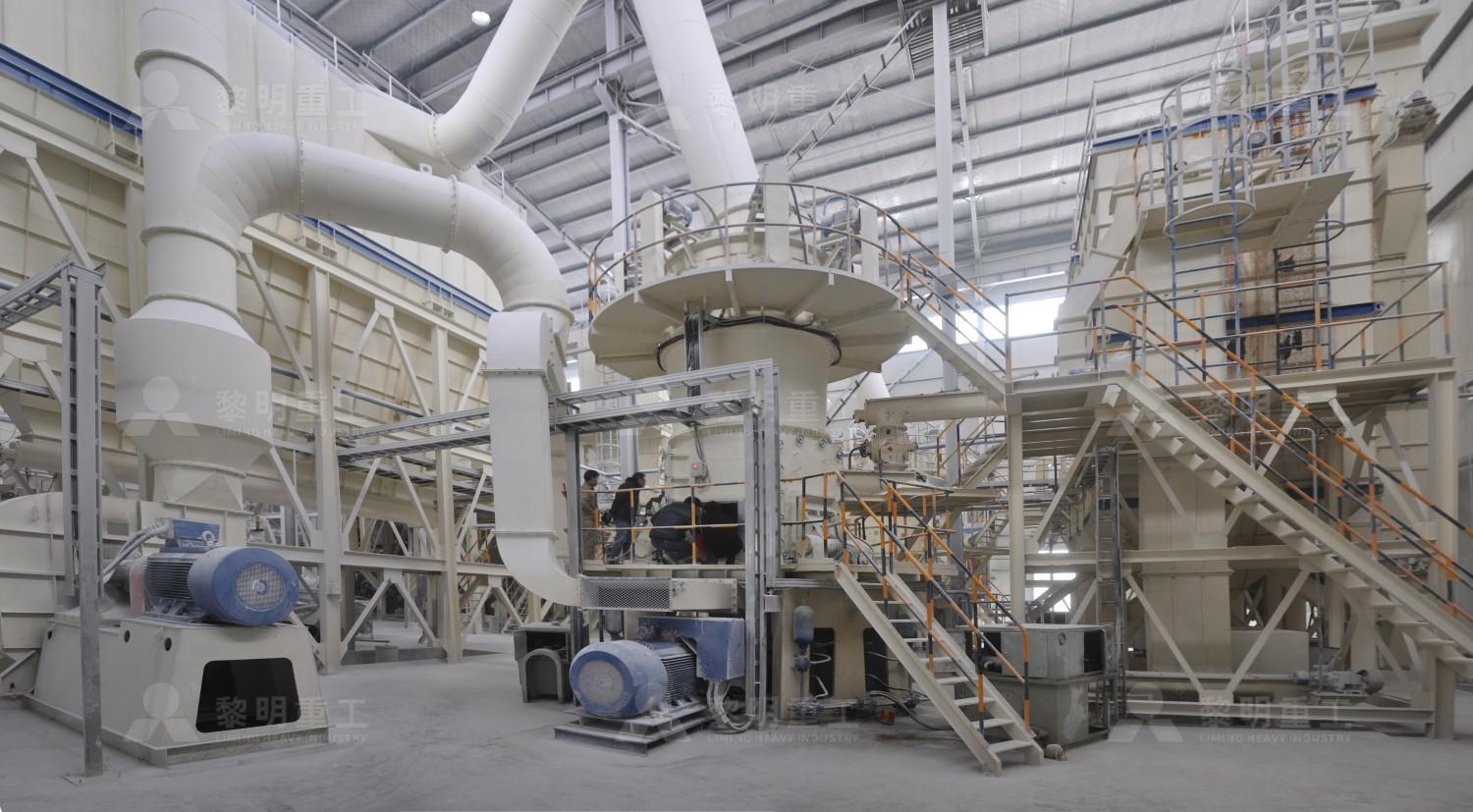
Another technological leader is the LUM Ultrafine Vertical Grinding Mill. This mill integrates ultrafine powder grinding, grading, and transporting into a single, cohesive system. With an input size of 0-10 mm and a capacity of 5-18 tph, it excels in producing superfine dry powder from non-metal ores. Its unique roller shell and lining plate grinding curve are designed to generate a material layer easily, enabling a high rate of finished product in a single pass. This not only boosts efficiency but also improves the whiteness and cleanliness of the final product. Furthermore, its multi-head powder separating technology, controlled by a PLC system, allows for precise control over grinding parameters, reducing energy consumption by 30-50% compared to conventional mills.
Operational Stability and Environmental Stewardship
Beyond raw power and efficiency, operational stability is crucial for minimizing downtime and maintenance costs. Technologies like double position-limiting in the LUM Mill prevent destructive impacts from machine vibration, ensuring smooth and reliable operation. The reversible structure of the LUM Mill also simplifies maintenance, allowing grinding rollers to be easily moved out for inspection or part replacement.
Environmental considerations are deeply embedded in these modern designs. Both the MW and LUM mills feature advanced dust removal systems that operate under negative pressure, preventing any dust spillage. This, combined with noise reduction technologies, ensures full compliance with national environmental protection standards, making them a responsible choice for modern industrial facilities.
Conclusion
The adoption of high-speed wet stone grinding technology, exemplified by advanced mills like the MW Ultrafine Grinding Mill and the LUM Ultrafine Vertical Grinding Mill, is a definitive step forward for industrial milling. These systems offer a compelling combination of higher yield, lower energy consumption, superior product quality, and enhanced environmental performance. For operations seeking to boost efficiency and stay competitive, investing in such advanced grinding technology is no longer a luxury but a strategic necessity.
Frequently Asked Questions (FAQ)
What is the main advantage of a high-speed grinder over a traditional ball mill?
High-speed grinders like the MW Ultrafine Mill offer significantly higher grinding efficiency, resulting in greater production capacity (up to twice that of a ball mill) with substantially lower energy consumption (up to 30-40% less).
Can these mills handle materials other than limestone?
Yes. The MW and LUM mills are versatile and can process a wide range of non-metallic minerals, including calcite, dolomite, gypsum, barite, talc, and coal powder, among others.
How is dust control managed during operation?
These mills are equipped with efficient pulse dust collectors and operate under a sealed, negative-pressure system. This design ensures no dust pollution is generated, meeting strict environmental standards.
What is the typical fineness range achievable?
The MW Ultrafine Grinding Mill, for instance, can adjust product fineness between 325 and 2500 meshes, with the capability to achieve a screening rate of d97≤5μm in a single pass.
How is maintenance handled on these complex machines?
Design features like external lubrication (MW Mill) and reversible grinding roller structures (LUM Mill) allow for easier access and maintenance without requiring prolonged shutdowns, ensuring worry-free operation.