
Limestone Powder Grinder Mill Price in South Africa
We provide a wide range of mills — including Raymond mill, trapezoidal mill, vertical mill, ultrafine mill, and ball mill, obtained ISO9001 international quality certification, EU CE certification, and Customs Union CU-TR certification. Suitable for processing minerals such as limestone, phosphate, quicklime, kaolin, talc, barite, bentonite, calcium carbonate, dolomite, coal, gypsum, clay, carbon black, slag, cement raw materials, cement clinker, and more.
The discharge range of these mills can be adjusted to meet specific processing needs, typically from 80-400 mesh, 600-3250 mesh, and can achieve the finest particle size of up to 6000 mesh(D50).
If you are looking for a reliable grinding solution to turn stone or minerals into fine powder, please feel free to contact our online customer service.
Navigating the South African Limestone Grinding Market
The demand for high-quality limestone powder is a cornerstone of numerous industries in South Africa, from construction and agriculture to manufacturing and environmental applications. Selecting the right grinding mill is paramount for operations seeking to optimize their production efficiency, final product quality, and overall profitability. The price of a limestone grinder mill in South Africa is not a single figure but a complex equation factoring in machine capability, operational costs, maintenance requirements, and long-term reliability.
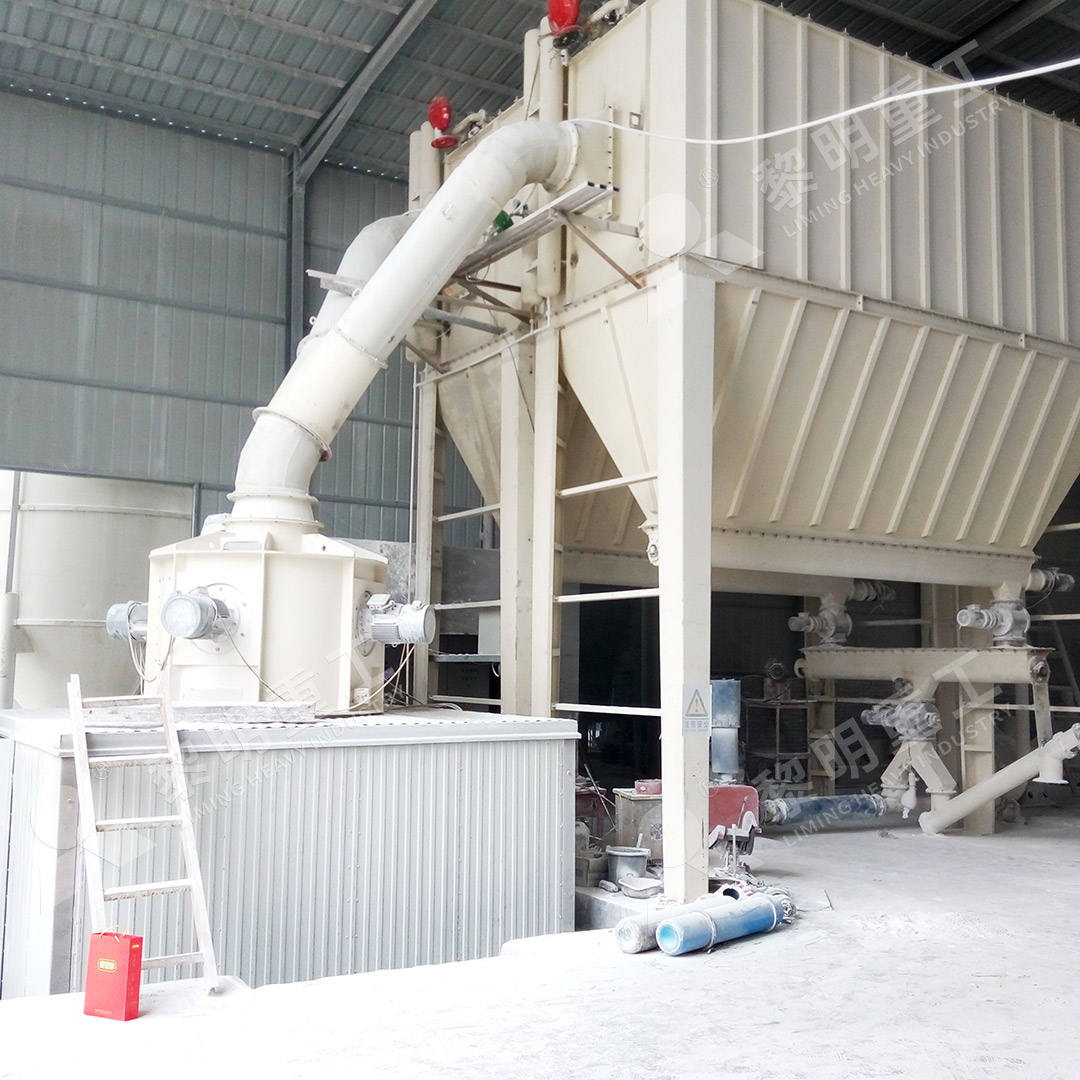
Key Considerations for Your Investment
When evaluating limestone powder grinder mills, several technical and economic factors come into play. The desired fineness of the final product (often measured in meshes or microns) directly influences the choice of technology. Production capacity requirements (tph – tons per hour) must align with your business goals. Furthermore, energy consumption represents a significant portion of the operational expenditure, making efficiency a critical price determinant. South African operations also place a high value on equipment ruggedness, ease of maintenance, and the availability of local technical support and spare parts.
Recommended Solution: MW Ultrafine Grinding Mill
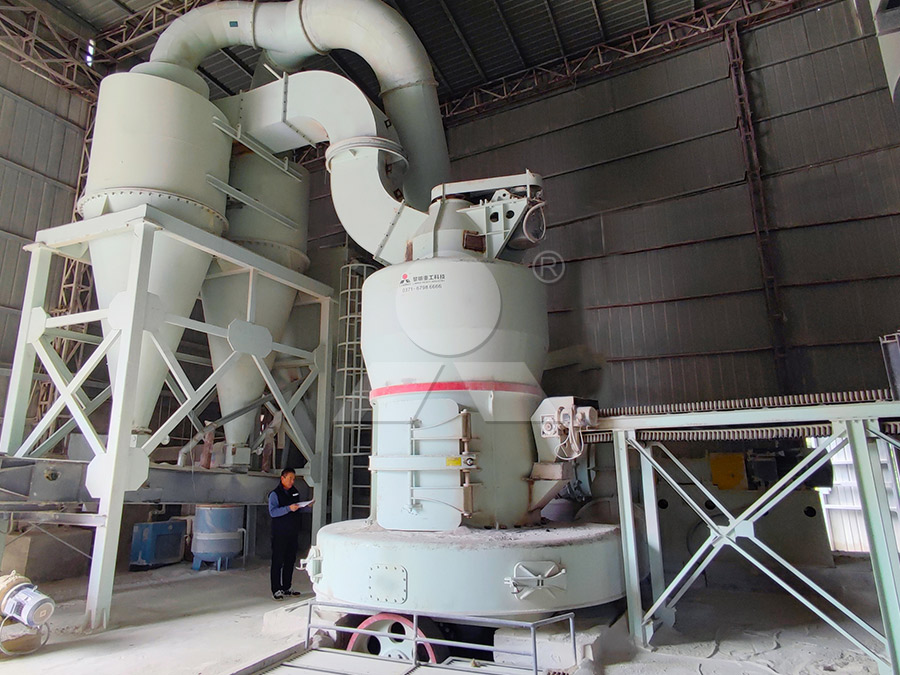
For operations focused on producing ultra-fine limestone powder with exceptional efficiency, the MW Ultrafine Grinding Mill stands out as a premier choice. This mill is expertly engineered for customers who need to make precisely controlled ultra-fine powder, offering a remarkable balance of performance and economy.
Its standout features include a higher yield and significantly lower energy consumption. Thanks to newly designed grinding curves of the roller and ring, its production capacity is 40% higher than jet mills and double that of ball mills, while using only 30% of the energy of a jet mill. It offers adjustable fineness between 325-2500 meshes with high precision, achieved through an advanced German-designed cage-type powder selector. A key maintenance advantage is the absence of rolling bearings and screws in the grinding chamber, eliminating common failure points and allowing for external lubrication without shutdown. Crucially, it is equipped with an efficient pulse dust collector and muffler, ensuring an eco-friendly operation that meets stringent environmental standards.
An Advanced Alternative: LUM Ultrafine Vertical Grinding Mill
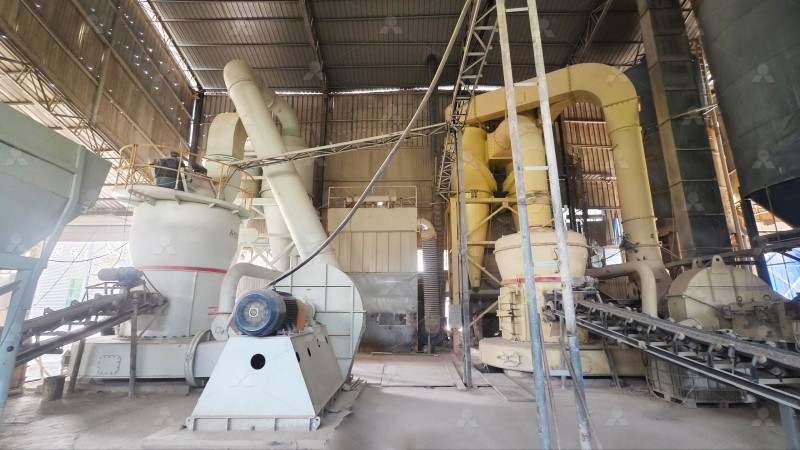
For those seeking cutting-edge vertical grinding technology, the LUM Ultrafine Vertical Grinding Mill is another exceptional offering. It integrates the latest Taiwanese roller technology and German powder separating technology. This mill is designed for higher yielding rates and better product quality, featuring a unique roller shell and lining plate grinding curve that prevents over-grinding and improves whiteness. Its multi-head powder separating technology and PLC control system enable precise operation and reduce energy consumption by 30%-50%. The double position-limiting technology ensures remarkable operational stability, while its reversible structure drastically simplifies maintenance procedures.
Understanding the Total Cost
The initial purchase price is just one component. The true cost of ownership encompasses energy bills, wear part replacement intervals, maintenance downtime, and the consistency of your final product’s quality. Investing in a technologically advanced mill like the MW or LUM series often leads to substantial savings over the lifespan of the equipment, providing a faster return on investment despite a potentially higher upfront cost compared to conventional mills.
Frequently Asked Questions (FAQ)
What is the typical price range for a limestone grinder mill in South Africa?
Prices vary widely based on model, capacity, and fineness capabilities. Small-scale Raymond mills may start in a lower range, while high-capacity, ultra-fine systems like the MW or LUM series represent a more significant investment focused on long-term operational savings. Direct quotes from manufacturers are essential for accurate pricing.
Why choose an ultrafine mill over a traditional ball mill for limestone?
Ultrafine mills like the MW series offer vastly superior energy efficiency, higher production capacity for the same footprint, more precise control over product fineness, and cleaner, more environmentally friendly operation with integrated dust collection.
How important is after-sales support in South Africa?
Extremely important. reliable local technical support, guaranteed supply of original spare parts, and readily available service are crucial for minimizing downtime and ensuring the longevity of your grinding mill investment.
Can these mills handle other materials besides limestone?
Absolutely. Both the MW and LUM mills are highly versatile and are suitable for grinding calcite, dolomite, talc, barite, and other non-flammable, non-explosive materials with Mohs hardness below 7.