Ball Load Calculation Formula for Ball Mills – Optimize Grinding Efficiency
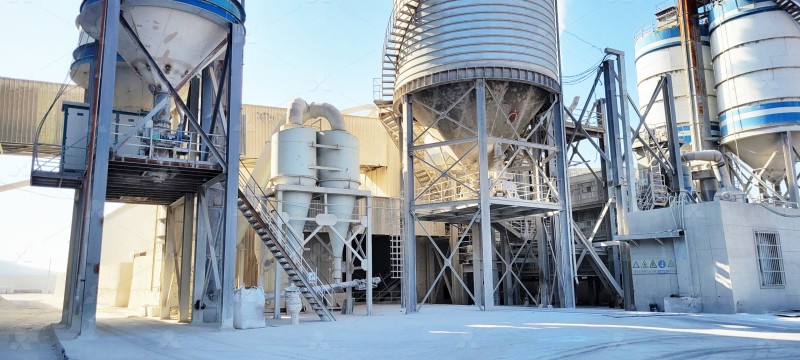
We provide a wide range of mills — including Raymond mill, trapezoidal mill, vertical mill, ultrafine mill, and ball mill, obtained ISO9001 international quality certification, EU CE certification, and Customs Union CU-TR certification. Suitable for processing minerals such as limestone, phosphate, quicklime, kaolin, talc, barite, bentonite, calcium carbonate, dolomite, coal, gypsum, clay, carbon black, slag, cement raw materials, cement clinker, and more.
The discharge range of these mills can be adjusted to meet specific processing needs, typically from 80-400 mesh, 600-3250 mesh, and can achieve the finest particle size of up to 6000 mesh(D50).
If you are looking for a reliable grinding solution to turn stone or minerals into fine powder, please feel free to contact our online customer service.
Ball Load Calculation Formula for Ball Mills – Optimize Grinding Efficiency
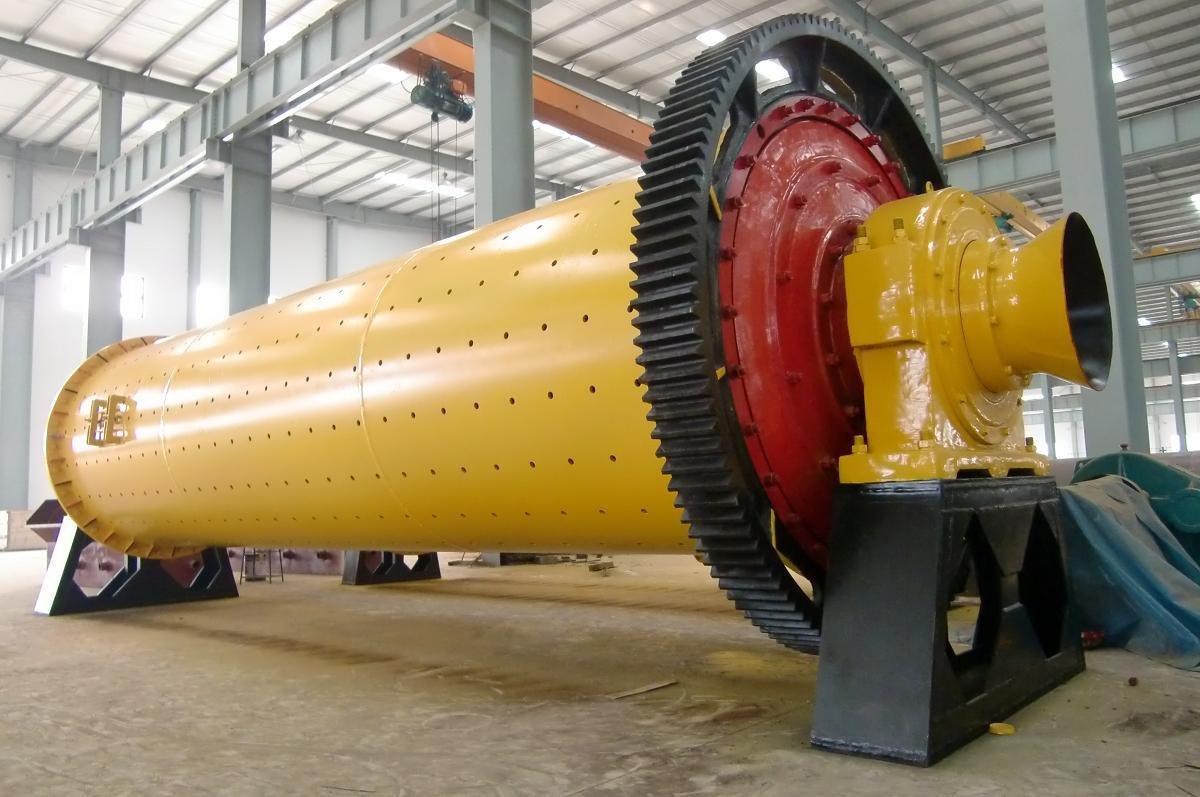
Optimizing the grinding efficiency of a ball mill is paramount for maximizing productivity and minimizing operational costs in mineral processing and other grinding-intensive industries. A critical factor in this optimization is the accurate calculation and management of the ball load within the mill. The ball charge, or the total volume occupied by grinding media inside the mill, directly impacts the grinding action, power draw, and ultimately, the fineness of the final product.
Understanding Ball Mill Load Dynamics
The ball load is typically expressed as a percentage of the mill’s internal volume. A common industry standard for ball mills is to operate with a ball charge ranging from 30% to 45% of the total mill volume. The precise calculation is vital. An underloaded mill will result in inefficient grinding and excessive liner wear, while an overloaded mill will lead to reduced throughput and increased energy consumption.
The fundamental formula for calculating the ball load volume is:
Ball Load Volume (m³) = π × (D² / 4) × L × φ
Where:
D = Internal diameter of the mill (m)
L = Internal length of the mill (m)
φ = Filling degree of the mill (expressed as a decimal, e.g., 0.35 for 35%)
To then calculate the mass of the ball charge, this volume is multiplied by the bulk density of the grinding balls (typically between 4.5 to 4.8 t/m³ for steel balls):
Ball Load Mass (tons) = Ball Load Volume × Bulk Density
Key Factors Influencing Optimal Ball Load
Simply calculating the volume is not enough. Several dynamic factors must be considered to find the true optimal load for your specific application:
- Mill Speed: The operating speed relative to the critical speed affects the cataracting and cascading motion of the balls.
- Feed Material Characteristics: Hardness, feed size, and desired product fineness dictate the required impact and abrasion forces.
- Ball Size Distribution: A mix of different ball sizes is often used to effectively grind particles of varying sizes.
- Pulp Density: The concentration of solids in the slurry affects the viscosity and thus the mobility of the grinding media.
Beyond Ball Mills: Advanced Grinding Solutions
While ball mills are a cornerstone of grinding operations, technological advancements have led to more efficient solutions that offer superior control over product fineness and significantly lower energy consumption. For operations requiring ultra-fine powders, traditional ball mills can be limiting.
Our MW Ultrafine Grinding Mill is engineered to overcome these limitations. Designed for customers who need to make ultra-fine powder between 325-2500 meshes, it represents a leap in grinding technology. Its newly designed grinding curves of the roller and ring enhance efficiency dramatically. With the same fineness and power, its production capacity is 40% higher than that of jet mills and stirred mills, and its yield is twice as large as that of ball mills, while system energy consumption is only 30% of a jet mill. Furthermore, its innovative design features, such as the absence of rolling bearings and screws in the grinding chamber, eliminate common failure points and allow for 24-hour continuous operation.
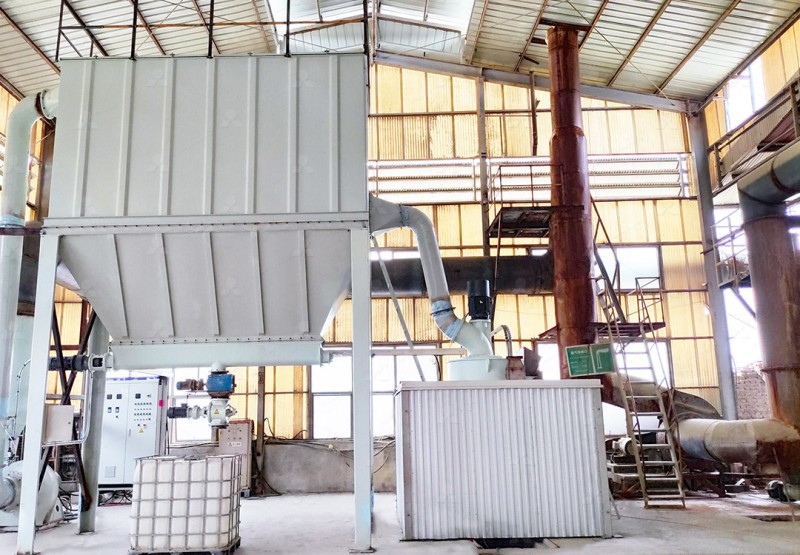
For another robust option, consider our LUM Ultrafine Vertical Grinding Mill. Integrating grinding, grading, and transporting, it features higher yielding rates and better product quality. Its unique roller shell and lining plate grinding curve design avoids traditional problems like long lingering time and high iron content in the product. It reduces energy consumption by 30%-50% compared to common grinding mills, making it an exceptional choice for superfine dry powder production of non-metal ores.
Conclusion
Mastering the ball load calculation is essential for any operation relying on a ball mill. However, evaluating whether your process would benefit from modern, high-efficiency grinding technology is equally important. Upgrading to an advanced system like the MW or LUM series can unlock new levels of productivity, product quality, and energy savings.
Frequently Asked Questions (FAQ)
What is the most common ball load percentage for a dry grinding ball mill?
For dry grinding processes, the ball load typically ranges from 40% to 45% of the mill’s internal volume. This higher percentage (compared to wet grinding) is necessary to ensure sufficient mass of grinding media for effective size reduction without a liquid slurry.
How often should the ball charge be replenished?
The grinding media will wear down over time. A common practice is to add a predetermined amount of the largest ball size periodically (e.g., daily or weekly) to maintain a consistent ball size distribution and total charge volume. A full audit and potential re-load should be conducted during scheduled maintenance shutdowns.
Can these advanced mills handle the same materials as a ball mill?
Yes, both the MW and LUM Ultrafine Grinding Mills are designed for a wide range of materials, including limestone, calcite, dolomite, talc, barite, and more. They are particularly adept at achieving much finer product sizes with greater efficiency than traditional ball mills.