Analysis of Crusher and Cement Milling Applications in Modern Production
We provide a wide range of mills — including Raymond mill, trapezoidal mill, vertical mill, ultrafine mill, and ball mill, obtained ISO9001 international quality certification, EU CE certification, and Customs Union CU-TR certification. Suitable for processing minerals such as limestone, phosphate, quicklime, kaolin, talc, barite, bentonite, calcium carbonate, dolomite, coal, gypsum, clay, carbon black, slag, cement raw materials, cement clinker, and more.
The discharge range of these mills can be adjusted to meet specific processing needs, typically from 80-400 mesh, 600-3250 mesh, and can achieve the finest particle size of up to 6000 mesh(D50).
If you are looking for a reliable grinding solution to turn stone or minerals into fine powder, please feel free to contact our online customer service.
Analysis of Crusher and Cement Milling Applications in Modern Production
The relentless pursuit of efficiency, sustainability, and product quality defines modern mineral processing and cement production. At the heart of these operations lie two critical processes: crushing and milling. The selection of appropriate equipment for these tasks is paramount, directly influencing operational costs, environmental footprint, and the final product’s marketability. This analysis delves into the technological advancements shaping these applications and highlights optimal machinery choices.
The Crucial Role of Size Reduction
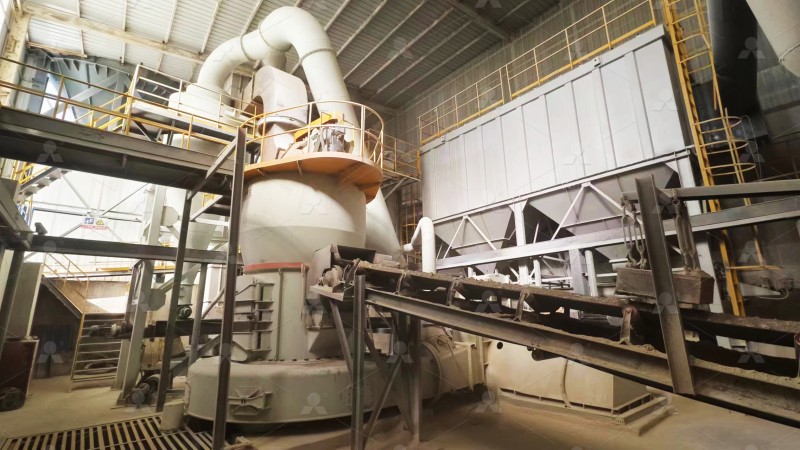
Primary crushing breaks down quarried raw materials like limestone and clay into manageable sizes. Subsequent milling then transforms these fragments into the fine powders essential for chemical reactions in kilns or for use as final products. Modern crushers and mills are engineered not merely to reduce size but to do so with minimal energy expenditure, reduced wear on components, and sophisticated control over particle size distribution (PSD).
Advancements in Milling Technology
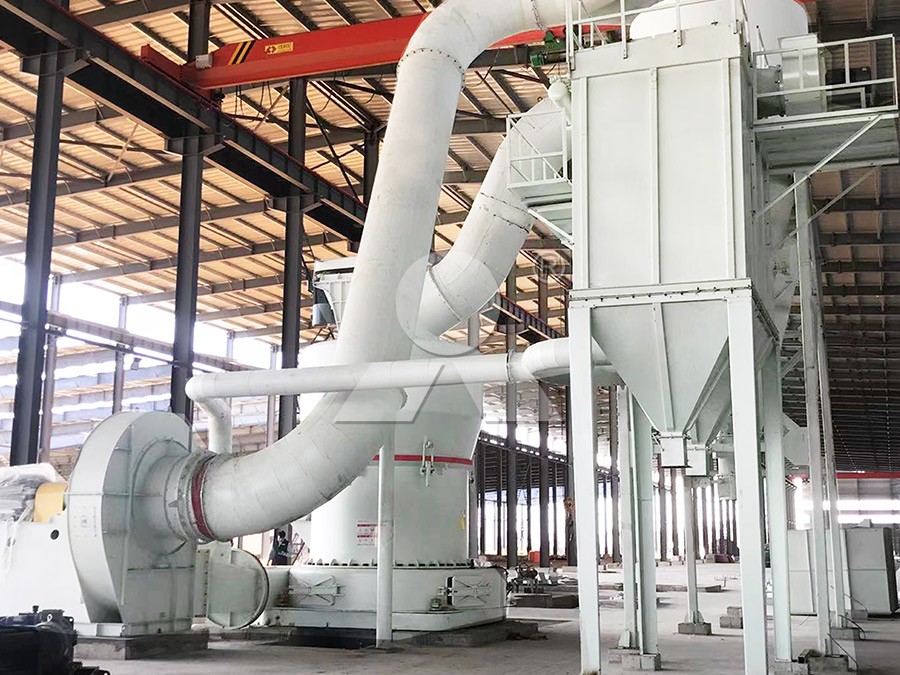
The transition from traditional ball mills to more advanced vertical roller mills (VRMs) and ultrafine grinding systems represents a significant leap forward. VRMs integrate drying, grinding, classification, and conveying into a single, compact unit, offering drastically reduced energy consumption—often 30-40% lower than ball mills. Their ability to operate under negative pressure also ensures a dust-free environment, aligning with stringent environmental regulations.
For applications demanding ultra-fine powders (325-2500 meshes), specialized equipment is required. A standout solution in this domain is the MW Ultrafine Grinding Mill. This mill is specifically engineered for customers needing to produce ultra-fine powder from materials like limestone, calcite, dolomite, and talc. It boasts a capacity range of 0.5-25 tph and can handle feed sizes up to 20mm. Its design incorporates an efficient pulse dust collector and muffler, significantly reducing dust and noise for a more environmentally friendly operation. A key innovation is the absence of rolling bearings and screws in the grinding chamber, eliminating common failure points and enabling external lubrication without shutdown for true 24/7 continuous production.
Integrating Crushing and Milling for Optimal Performance
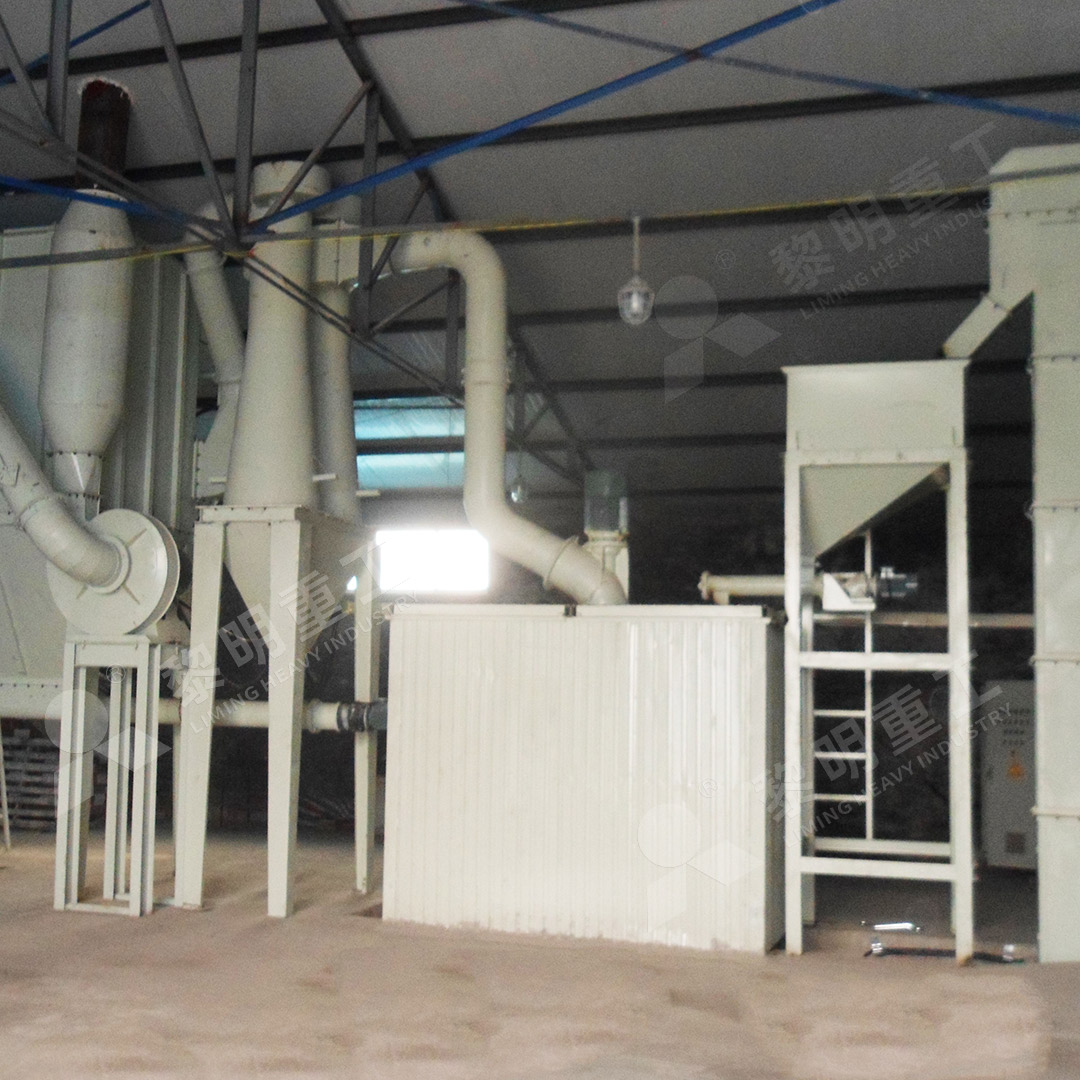
The efficiency of a milling circuit is heavily dependent on the quality of the feed from the crusher. A well-designed jaw or gyratory crusher ensures a consistent, optimally sized feed, preventing bottlenecks and reducing unnecessary recirculation in the mill. Modern systems leverage programmable logic controllers (PLCs) to create a seamless flow between crushing and milling stages, optimizing the entire production line’s throughput and energy usage.
Another exemplary product for precision grinding is the LUM Ultrafine Vertical Grinding Mill. Integrating ultrafine powder grinding, grading, and transporting, it becomes the premier choice for superfine dry powder production of non-metal ores. With an input size of 0-10mm and a capacity of 5-18 tph, it features advanced technologies like a unique roller shell design for higher yield rates and better product quality, and multi-head powder separating technology for remarkable energy savings of 30%-50%. Its reversible structure greatly simplifies maintenance, allowing for easy checking and replacement of key components.
Conclusion
The evolution of crusher and milling technology is central to the progress of modern production facilities. The industry’s shift towards vertical roller mills and specialized ultrafine grinders, such as the MW and LUM series, underscores a commitment to energy efficiency, operational reliability, and environmental stewardship. Investing in the right technology is not merely an operational decision but a strategic one that ensures long-term competitiveness and sustainability.
Frequently Asked Questions (FAQ)
- What are the primary benefits of vertical roller mills over traditional ball mills?
VRMs offer significantly lower energy consumption (30-40% savings), a smaller physical footprint, integrated drying and grinding capabilities, and superior environmental performance due to enclosed, negative-pressure operation. - How important is feed size consistency for milling efficiency?
Extremely important. Consistent feed size from the crusher ensures stable operation of the mill, maximizes grinding efficiency, minimizes wear on grinding elements, and helps achieve a uniform product fineness. - What applications are suitable for ultrafine grinding mills like the MW series?
They are ideal for producing ultra-fine powders (325-2500 meshes) for industries such as chemicals (paint, cosmetics), pharmaceuticals, food additives, and advanced materials processing from minerals like calcite, talc, barite, and marble. - How do modern grinding mills address environmental concerns?
They are equipped with efficient pulse jet dust collectors to eliminate dust pollution, soundproofing materials and mufflers to reduce noise, and are designed for low energy consumption, reducing the overall carbon footprint. - What features reduce maintenance downtime in mills like the LUM series?
Features like a reversible structure that allows grinding rollers to be easily moved out for maintenance, external lubrication systems, and the absence of internal screws and bearings in the grinding chamber all contribute to reduced downtime and easier upkeep.