
Zircon Sand Grinding: Ball Mill Manufacturers in Indonesia
We provide a wide range of mills — including Raymond mill, trapezoidal mill, vertical mill, ultrafine mill, and ball mill, obtained ISO9001 international quality certification, EU CE certification, and Customs Union CU-TR certification. Suitable for processing minerals such as limestone, phosphate, quicklime, kaolin, talc, barite, bentonite, calcium carbonate, dolomite, coal, gypsum, clay, carbon black, slag, cement raw materials, cement clinker, and more.
The discharge range of these mills can be adjusted to meet specific processing needs, typically from 80-400 mesh, 600-3250 mesh, and can achieve the finest particle size of up to 6000 mesh(D50).
If you are looking for a reliable grinding solution to turn stone or minerals into fine powder, please feel free to contact our online customer service.
Navigating the Complexities of Zircon Sand Grinding in Indonesia
Indonesia’s mineral processing sector, particularly zircon sand grinding, demands robust and efficient milling solutions. While traditional ball mills have been a staple in many operations, the quest for higher efficiency, finer outputs, and lower operational costs is driving a shift towards more advanced technology. The abrasive nature of zircon sand necessitates equipment that can withstand wear while delivering consistent, ultra-fine powders essential for high-value applications in ceramics, foundries, and precision investment casting.
Beyond the Traditional Ball Mill
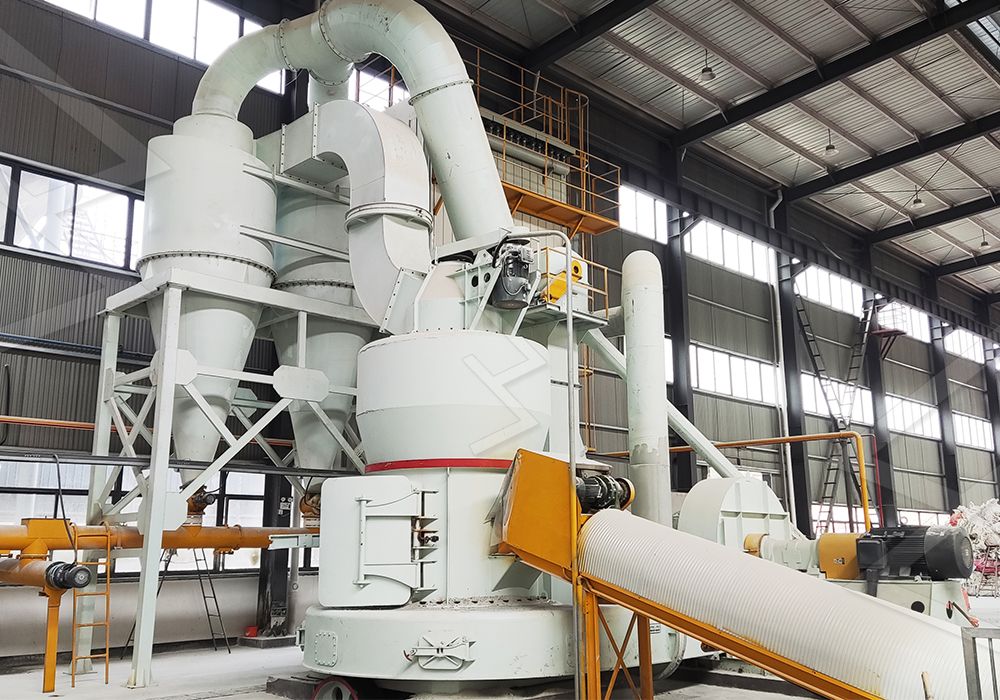
Conventional ball mills, while reliable for coarse grinding, often fall short when the target is a superfine, uniformly sized zircon powder. Challenges such as high energy consumption, significant heat generation, and iron contamination from grinding media wear can compromise product quality and increase production costs. This is where advanced grinding technologies offer a compelling advantage, providing precise control over particle size distribution and minimizing unwanted impurities.
Advanced Solutions for Superior Zircon Processing
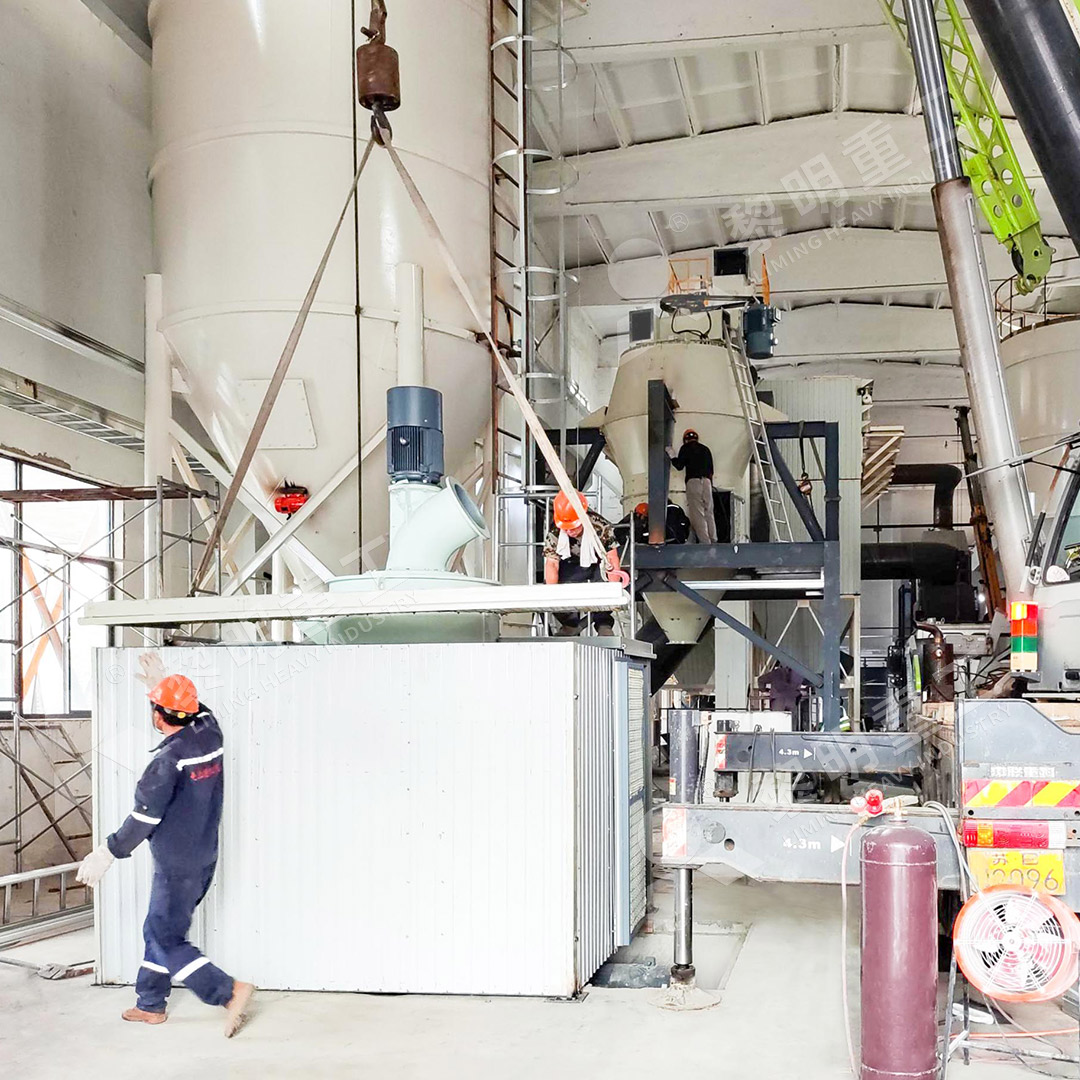
For operations aiming to enhance their product value and competitiveness, investing in modern grinding systems is key. A standout solution for ultra-fine zircon sand processing is our MW Ultrafine Grinding Mill. Engineered for customers requiring ultra-fine powder, this mill is a technological leap forward. It accepts a feed size of 0-20 mm and offers a capacity range of 0.5-25 tph, making it suitable for various production scales.
The MW Mill’s design incorporates an efficient pulse dust collector and muffler, significantly reducing environmental impact by minimizing dust and noise pollution—a critical consideration for sustainable operations. Its cage-type powder selector, utilizing German technology, allows for precise fineness adjustment between 325-2500 meshes, ensuring you can meet the most stringent customer specifications for your zircon products.
Key Advantages for the Indonesian Market
For Indonesian manufacturers, the operational benefits are substantial. The MW Ultrafine Grinding Mill delivers higher yields with up to 40% higher capacity than jet mills and double that of ball mills, all while consuming 30% less energy. Its unique design, with no rolling bearings or screws in the grinding chamber, eliminates common failure points and allows for external lubrication without shutdown, enabling continuous 24/7 production—a crucial factor for maximizing uptime and profitability.
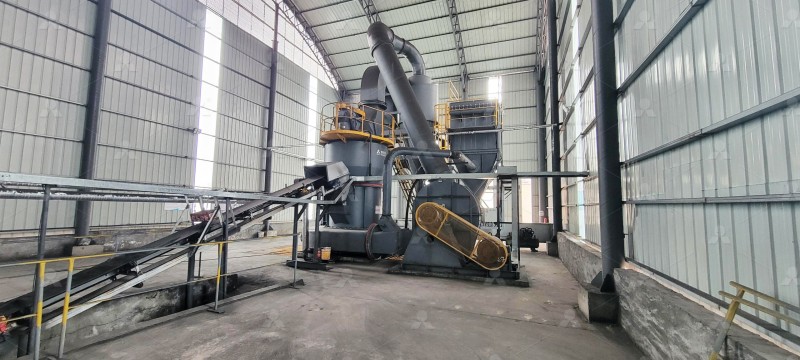
Another excellent option for operations requiring integrated drying and grinding is the LUM Ultrafine Vertical Grinding Mill. It handles a slightly smaller input size (0-10 mm) with a capacity of 5-18 tph. Its unique roller shell and lining plate grinding curve generate a stable material layer for efficient single-pass milling, enhancing both efficiency and the whiteness of the final zircon product. Its reversible structure also simplifies maintenance, a valuable feature for minimizing downtime.
Conclusion
The future of zircon sand processing in Indonesia lies in adopting smarter, more efficient grinding technologies. Moving beyond traditional ball mills to advanced systems like the MW and LUM series can unlock new levels of productivity, product quality, and environmental compliance, positioning Indonesian producers as leaders in the global market.
Frequently Asked Questions (FAQ)
What is the main advantage of an ultrafine mill over a ball mill for zircon sand?
Ultrafine mills provide significantly higher energy efficiency, finer and more controllable particle size distribution, and reduced iron contamination compared to traditional ball mills, which is critical for high-value zircon applications.
Can the MW Ultrafine Grinding Mill handle other materials besides zircon sand?
Absolutely. The MW Mill is highly versatile and suitable for grinding a wide range of non-flammable and non-explosive brittle materials with Mohs hardness below 7, including limestone, calcite, dolomite, barite, and talc.
How does the mill ensure low iron contamination in the final product?
Advanced designs like our MW Mill avoid direct metal-to-metal contact in the grinding chamber through innovative material bed grinding principles. Furthermore, the absence of rolling bearings and screws inside the chamber itself drastically reduces the risk of mechanical wear introducing iron into the product.
Is the equipment suitable for Indonesia’s humid climate?
Yes, our grinding mills are designed with robust construction and protective features to operate effectively in various climatic conditions, including high humidity. The integrated drying capabilities in models like the LUM Vertical Mill are particularly beneficial for processing materials with inherent moisture.