
Ball Mill Grinder for Efficient Soil and Plant Material Processing
We provide a wide range of mills — including Raymond mill, trapezoidal mill, vertical mill, ultrafine mill, and ball mill, obtained ISO9001 international quality certification, EU CE certification, and Customs Union CU-TR certification. Suitable for processing minerals such as limestone, phosphate, quicklime, kaolin, talc, barite, bentonite, calcium carbonate, dolomite, coal, gypsum, clay, carbon black, slag, cement raw materials, cement clinker, and more.
The discharge range of these mills can be adjusted to meet specific processing needs, typically from 80-400 mesh, 600-3250 mesh, and can achieve the finest particle size of up to 6000 mesh(D50).
If you are looking for a reliable grinding solution to turn stone or minerals into fine powder, please feel free to contact our online customer service.
Ball Mill Grinder for Efficient Soil and Plant Material Processing
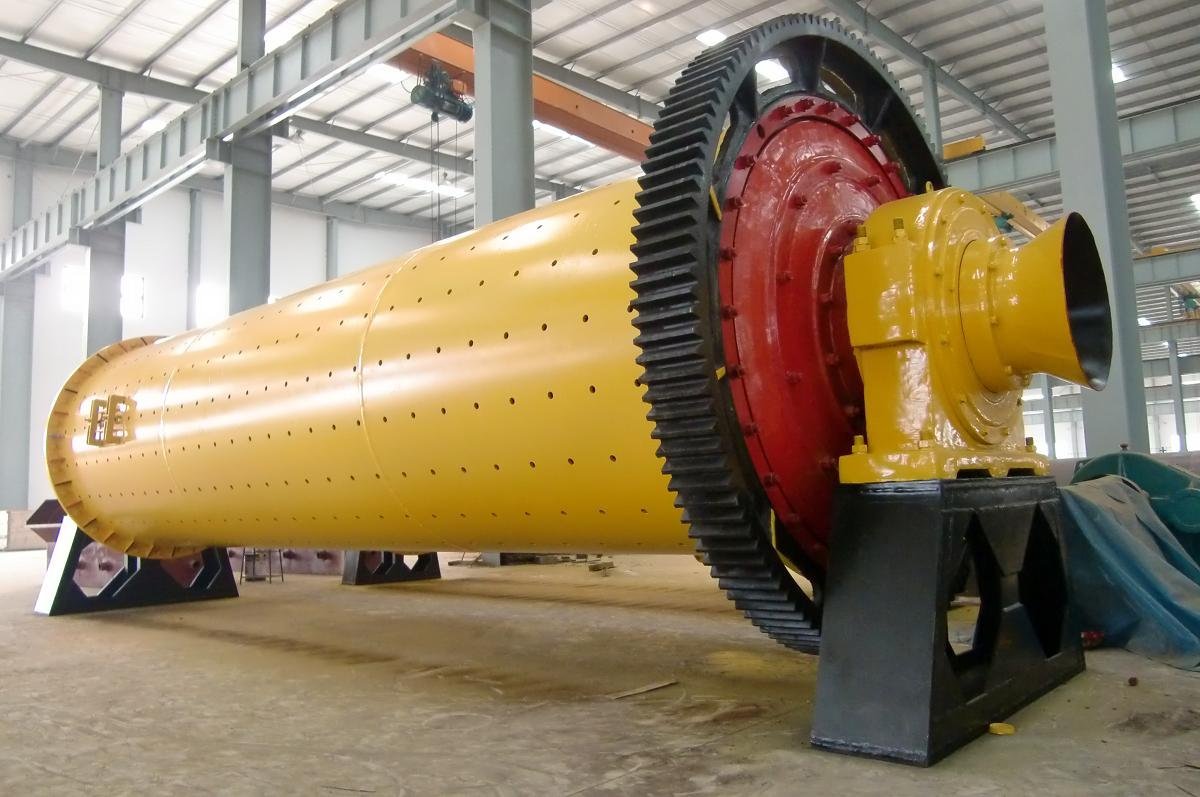
When it comes to processing soil and plant materials for agricultural research, environmental studies, or industrial applications, having the right grinding equipment is crucial. Ball mills have long been a staple in laboratories and production facilities for their ability to efficiently reduce materials to fine powders. In this article, we’ll explore the advantages of ball mill grinders for soil and plant material processing and highlight some advanced alternatives that offer even greater efficiency.
Why Choose Ball Mills for Soil and Plant Processing?
Ball mills offer several distinct advantages for processing organic materials:
- Versatile grinding: Capable of handling both dry and wet materials
- Uniform particle size: Produces consistent, fine powders ideal for analysis
- Scalable operation: Available in various sizes from lab-scale to production models
- Gentle processing: Minimizes heat generation that could alter sample properties
Advanced Alternatives for Superior Performance
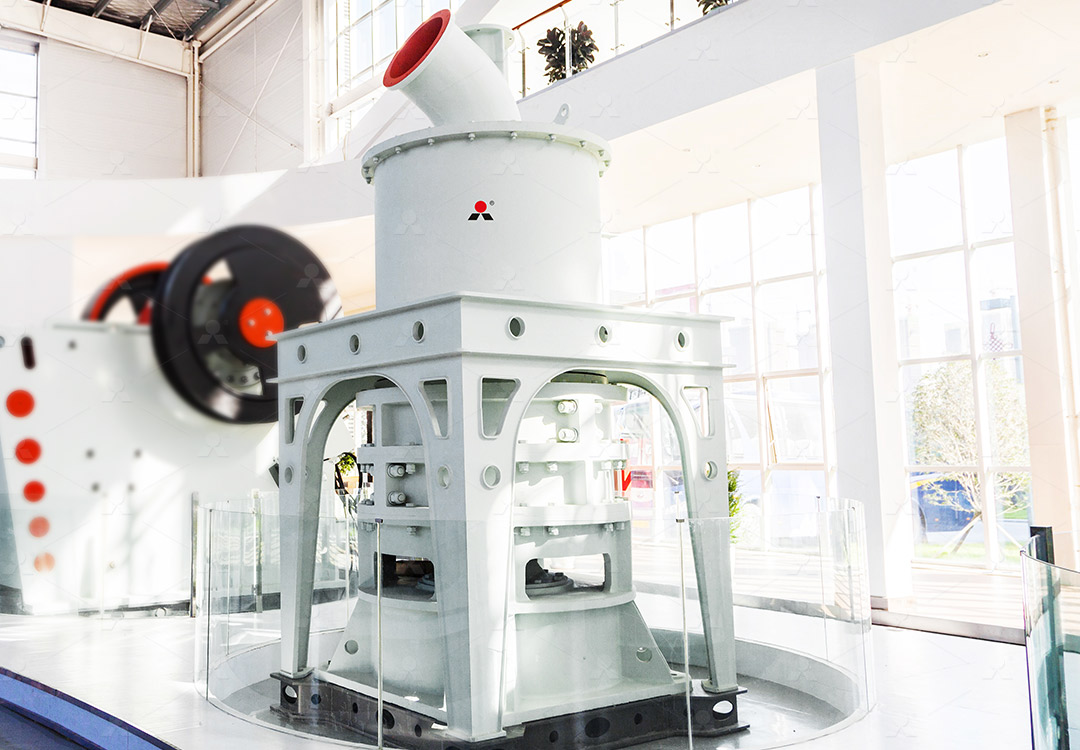
While traditional ball mills are effective, modern grinding technology has developed more sophisticated solutions. For researchers and professionals requiring ultra-fine powders with maximum efficiency, we recommend considering our MW Ultrafine Grinding Mill.
The MW Ultrafine Grinding Mill represents a significant advancement in grinding technology. With an input size capacity of 0-20 mm and processing capacity of 0.5-25 tph, this system is ideal for demanding applications where precision and efficiency are paramount.
Key Advantages of MW Ultrafine Grinding Mill:
- 40% higher production capacity compared to conventional ball mills
- Energy consumption reduced by 30%
- Adjustable fineness between 325-2500 meshes
- Eco-friendly operation with integrated dust collection
- Digital precision control for consistent results
Applications in Soil and Plant Research
Modern grinding mills like our MW series are particularly valuable for:
- Preparing soil samples for nutrient analysis
- Processing plant materials for biochemical studies
- Creating uniform substrates for agricultural experiments
- Producing fine powders for composting research
The ability to precisely control particle size makes these mills indispensable for researchers who need reproducible results across multiple samples.
Choosing the Right Equipment
When selecting a grinding system for your soil and plant processing needs, consider:
- Required particle size distribution
- Daily processing volume
- Available space and power requirements
- Need for ancillary systems like dust collection
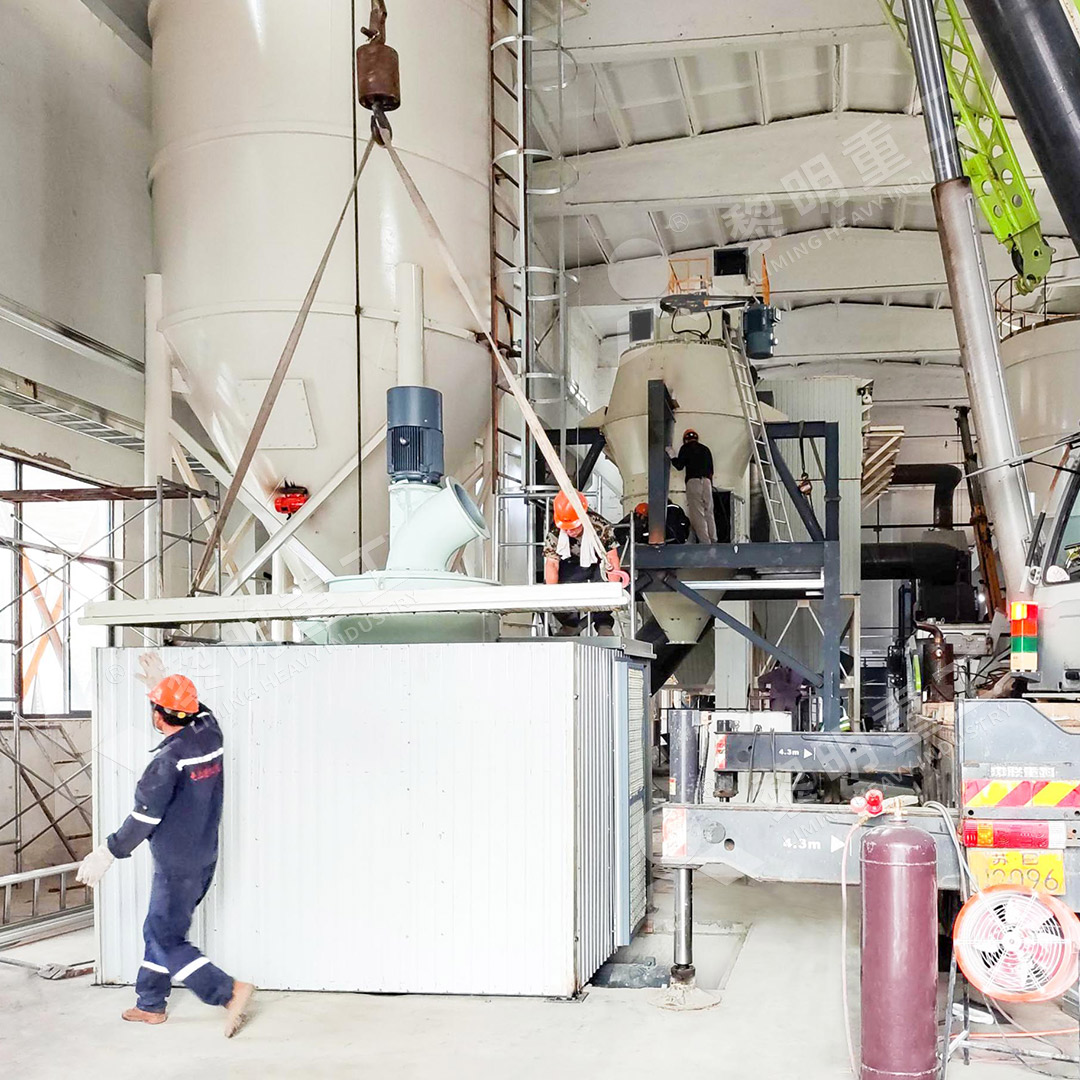
For operations requiring both high throughput and ultra-fine grinding, our LUM Ultrafine Vertical Grinding Mill (input size: 0-10 mm, capacity: 5-18 tph) offers another excellent option with its energy-saving design and advanced powder separation technology.
Conclusion
Whether you choose a traditional ball mill or opt for advanced ultrafine grinding technology, proper equipment selection is key to efficient soil and plant material processing. Our MW and LUM series mills represent the cutting edge in grinding technology, offering researchers and industrial users unprecedented control over particle size while reducing energy consumption and operational costs.
For laboratories and facilities processing large volumes of organic materials, upgrading to these advanced systems can significantly improve workflow efficiency and data quality. Contact our technical team to discuss which solution best fits your specific application requirements.