SAG Mill Pebble Crusher Circuit Design for Iron Ore Projects
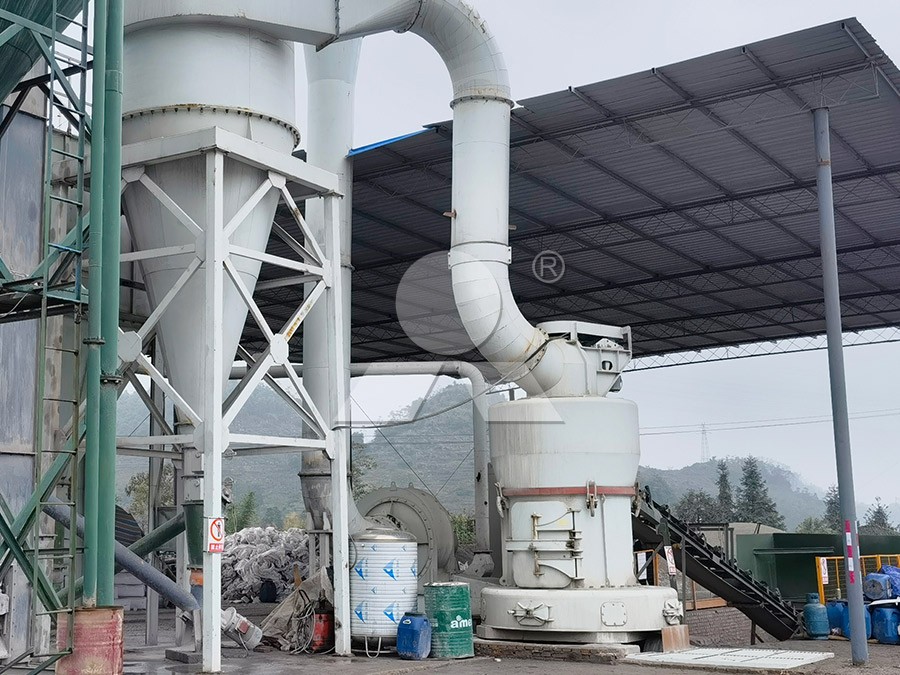
We provide a wide range of mills — including Raymond mill, trapezoidal mill, vertical mill, ultrafine mill, and ball mill, obtained ISO9001 international quality certification, EU CE certification, and Customs Union CU-TR certification. Suitable for processing minerals such as limestone, phosphate, quicklime, kaolin, talc, barite, bentonite, calcium carbonate, dolomite, coal, gypsum, clay, carbon black, slag, cement raw materials, cement clinker, and more.
The discharge range of these mills can be adjusted to meet specific processing needs, typically from 80-400 mesh, 600-3250 mesh, and can achieve the finest particle size of up to 6000 mesh(D50).
If you are looking for a reliable grinding solution to turn stone or minerals into fine powder, please feel free to contact our online customer service.
SAG Mill Pebble Crusher Circuit Design for Iron Ore Projects
In the realm of iron ore processing, the Semi-Autogenous Grinding (SAG) mill pebble crusher circuit is a critical component for optimizing throughput and reducing overall energy consumption. The circuit is designed to handle the critical size material, or ‘pebbles’, that are too coarse to be ground efficiently in the SAG mill yet too fine to act as effective grinding media themselves. Recirculating this material back to the SAG mill feed can lead to a buildup of critical size material, reducing mill capacity and increasing specific energy consumption. A well-designed pebble crusher circuit addresses this by crushing the pebbles to a size that can be more readily absorbed by the ball mill or the SAG mill itself, significantly enhancing the overall grinding circuit efficiency.
Key Design Considerations
Designing an effective pebble crusher circuit requires a meticulous analysis of several factors. The ore characteristics, including hardness, abrasiveness, and moisture content, are paramount. The circuit configuration—whether open or closed—and the selection of the crusher itself must be tailored to the specific project requirements. The primary goal is to achieve a consistent and controlled reduction of pebbles, typically in the size range of 25-75 mm, to a product of 6-12 mm. This not only alleviates the load on the SAG mill but also creates a more favourable size distribution for downstream ball milling, leading to a more stable and higher-tonnage operation.
Integrating Advanced Grinding Technology
While the pebble crusher handles the coarse rejects, the final product quality and ultra-fine grinding requirements often demand more sophisticated technology. For projects requiring the production of ultra-fine iron ore concentrates, traditional ball mills may fall short in efficiency and cost-effectiveness. This is where advanced vertical grinding mills excel.
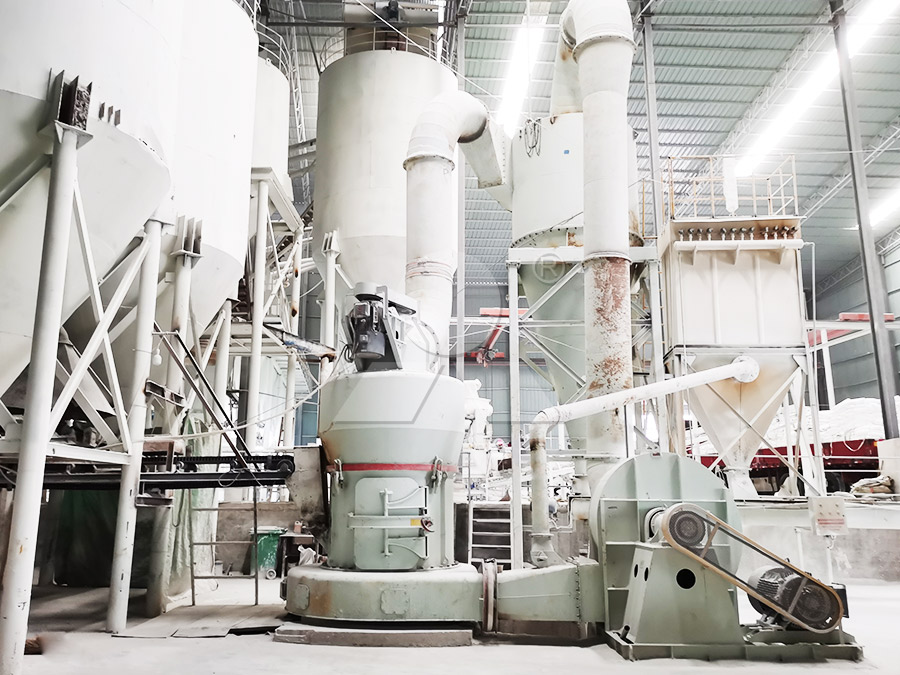
Our MW Ultrafine Grinding Mill is an exemplary solution for such applications. Designed to produce ultra-fine powder with a fineness adjustable between 325-2500 meshes, the MW Mill is ideal for final polishing stages. With an input size of 0-20 mm and a capacity ranging from 0.5 to 25 tph, it efficiently handles the product from secondary grinding circuits. Its higher yielding and lower energy consumption—up to 40% higher capacity than jet mills—make it a superior choice for achieving the precise product specifications demanded by modern iron ore markets. The absence of rolling bearings and screws in the grinding chamber eliminates common failure points, ensuring worry-free, continuous 24/7 operation, which is crucial for large-scale iron ore projects.
Ensuring Operational Stability and Environmental Compliance
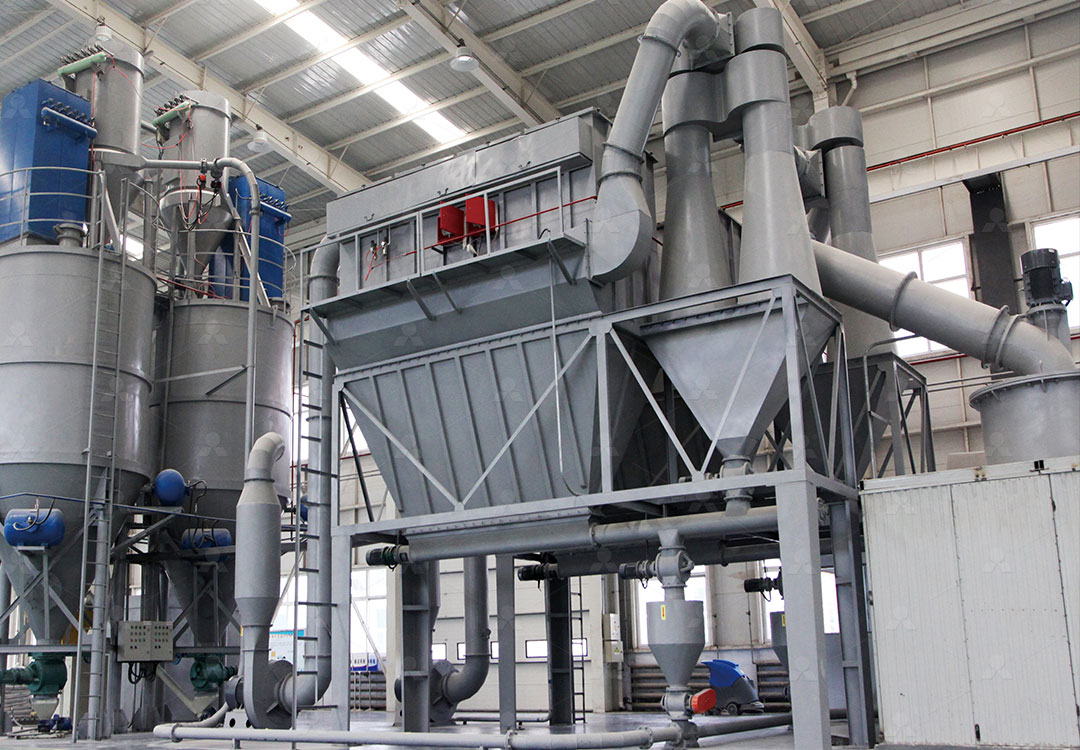
A robust circuit design must also prioritize operational stability and environmental stewardship. Modern grinding circuits are expected to operate with minimal dust and noise pollution. Equipment like our MW Mill is equipped with an efficient pulse dust collector and muffler, ensuring that the entire production process meets stringent national environmental protection standards. This integrated approach to dust removal and noise reduction is no longer a luxury but a necessity for obtaining operational permits and maintaining a social license to operate.
Conclusion
The integration of a pebble crusher into a SAG mill circuit is a proven strategy for debottlenecking and enhancing the efficiency of iron ore grinding plants. By carefully selecting and designing this circuit and complementing it with advanced fine grinding technology like the MW Ultrafine Grinding Mill, operators can achieve significant gains in throughput, reduce specific energy consumption, and produce high-value ultra-fine products consistently and reliably.
Frequently Asked Questions (FAQ)
- What is the primary purpose of a pebble crusher in a SAG mill circuit?
The primary purpose is to crush critical-sized material (pebbles) that recirculates within the SAG mill, reducing grinding efficiency. Crushing them to a smaller size allows for easier processing in the ball mill, increasing overall circuit throughput. - What are the key ore characteristics that influence pebble crusher selection?
Ore hardness (e.g., Bond Work Index), abrasiveness (Ai value), and moisture content are the most critical factors. Hard, abrasive ores typically require more robust crushers with specialized wear materials. - Can a pebble crusher circuit be retrofitted to an existing SAG mill operation?
Yes, retrofits are common and are often a cost-effective method to increase the capacity of an existing plant. The feasibility depends on the layout and the existing conveying infrastructure. - What are the advantages of using an ultrafine grinding mill like the MW series after the primary grinding circuit?
The MW Ultrafine Grinding Mill offers higher energy efficiency and lower operating costs for producing ultra-fine powders compared to traditional ball mills. It provides precise control over product fineness (up to 2500 mesh) and features a design that minimizes maintenance and environmental impact.