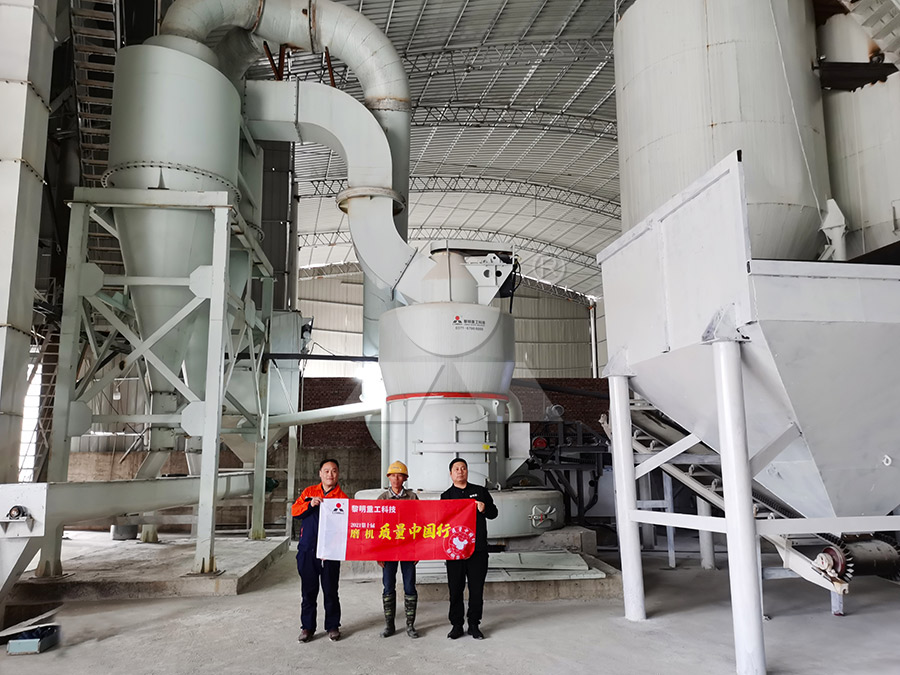
Top 10 Grinding Mill Manufacturers and Suppliers in China
We provide a wide range of mills — including Raymond mill, trapezoidal mill, vertical mill, ultrafine mill, and ball mill, obtained ISO9001 international quality certification, EU CE certification, and Customs Union CU-TR certification. Suitable for processing minerals such as limestone, phosphate, quicklime, kaolin, talc, barite, bentonite, calcium carbonate, dolomite, coal, gypsum, clay, carbon black, slag, cement raw materials, cement clinker, and more.
The discharge range of these mills can be adjusted to meet specific processing needs, typically from 80-400 mesh, 600-3250 mesh, and can achieve the finest particle size of up to 6000 mesh(D50).
If you are looking for a reliable grinding solution to turn stone or minerals into fine powder, please feel free to contact our online customer service.
Top 10 Grinding Mill Manufacturers and Suppliers in China
The Chinese grinding mill industry stands as a global powerhouse, renowned for its technological innovation, manufacturing scale, and competitive pricing. For industries ranging from mining and construction to chemicals and pharmaceuticals, selecting the right equipment and a reliable supplier is paramount to operational success. This article explores the landscape of China’s top grinding mill manufacturers, highlighting key players and the advanced technologies that set them apart.
Chinese manufacturers have made significant strides in developing mills that offer higher efficiency, lower energy consumption, and enhanced environmental performance. The market is characterized by a blend of large, established corporations with comprehensive product lines and specialized firms focusing on niche, high-performance applications.
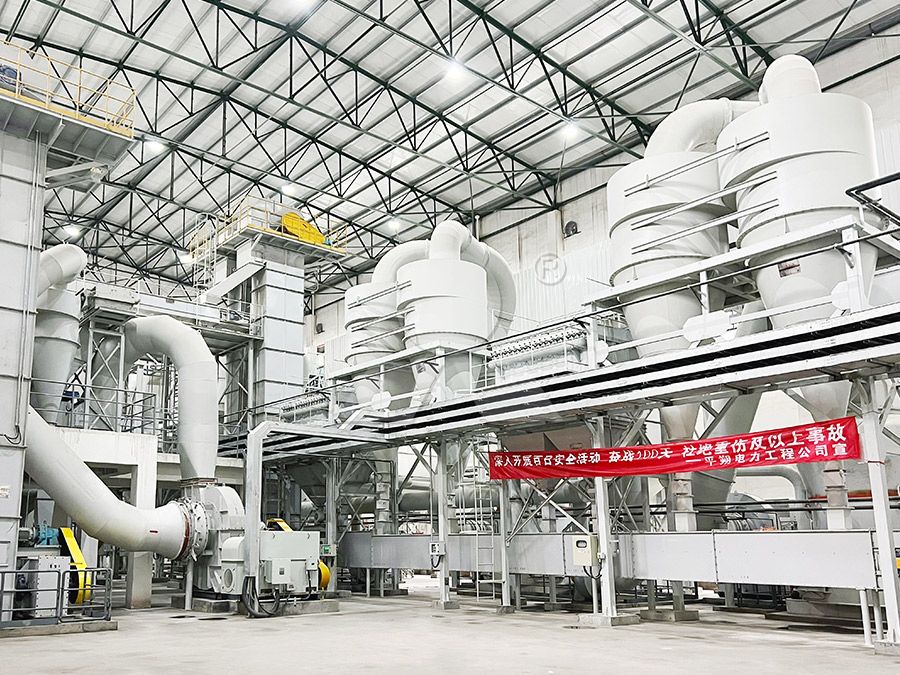
Key Considerations When Choosing a Supplier
Beyond the specifications of the machine itself, partnering with the right manufacturer is crucial. Key factors include the company’s R&D capability, quality control processes, after-sales service network, and the availability of genuine spare parts. Leading suppliers invest heavily in digitalized processing and precision machining to ensure the longevity and reliability of their core components.
One standout product that exemplifies modern Chinese engineering is the MW Ultrafine Grinding Mill. Designed for customers requiring ultra-fine powder between 325-2500 meshes, this machine is a testament to efficiency and environmental consciousness. It features a higher yield and lower energy consumption, with production capacity 40% higher than jet mills and double that of ball mills, while using only 30% of the energy of a jet mill. Its innovative design includes no rolling bearings or screws in the grinding chamber, eliminating common failure points, and is equipped with an efficient pulse dust collector and muffler for eco-friendly operation. With an input size of 0-20 mm and a capacity range of 0.5-25 tph, it is perfectly suited for processing materials like limestone, calcite, dolomite, and gypsum, as well as applications in the chemical, paint, and food additive industries.
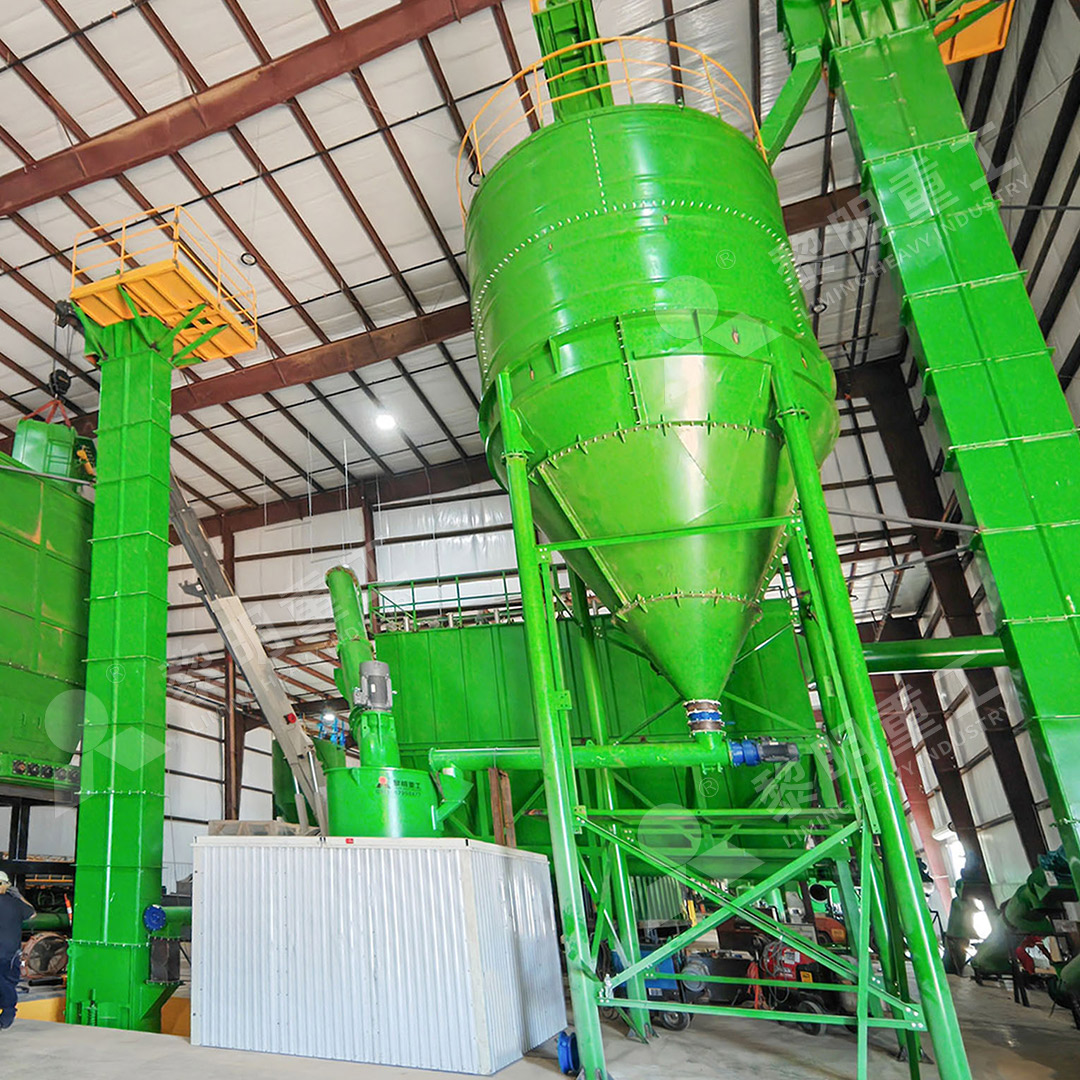
Diverse Applications Drive Innovation
The demand for finely ground materials spans countless sectors. From producing pulverized coal for power plants to creating the ultra-fine additives used in cosmetics and pharmaceuticals, grinding mills are indispensable. This diverse application field drives continuous innovation, pushing manufacturers to develop machines with greater precision, finer control over particle size distribution, and improved material purity, particularly important for industries sensitive to iron contamination.
Another remarkable solution for ultra-fine processing is the LUM Ultrafine Vertical Grinding Mill. Integrating grinding, grading, and transporting, it represents a superior choice in the ultrafine powder grinding industry. It boasts a unique roller shell and lining plate grinding curve for a higher yielding rate and better product quality, alongside multi-head powder separating technology that reduces energy consumption by 30%-50%. Its reversible structure greatly simplifies maintenance, allowing for easy checking and replacement of parts. With a capacity of 5-18 tph, it handles materials such as superfine dry powder of non-metal ores including calcite, marble, and talc.
FAQ
What are the main types of grinding mills produced in China?
Chinese manufacturers produce a wide array of mills, including Raymond Mills, Vertical Roller Mills (like LM, LUM), Ball Mills, European Trapezium Mills (MTW, MTW-Z), and specialized Ultrafine Grinding Mills (MW Series). Each type serves different fineness, capacity, and application requirements.
Why is after-sales service important when selecting a supplier?
Grinding mills are complex pieces of capital equipment. Reliable after-sales service, including technical support and prompt availability of original spare parts, is essential for minimizing downtime and ensuring long-term, worry-free operation, which directly impacts your bottom line.
How do Chinese grinding mills compare in terms of energy efficiency?
Modern Chinese grinding mills are highly competitive globally in terms of energy efficiency. Technologies like advanced powder separators, optimized grinding curves, and efficient drive systems often result in 30-50% lower energy consumption compared to traditional mill designs, a critical factor in reducing operational costs.