
Types of Mills and Crushers Used in Mining and Quarries: A Comprehensive Guide
We provide a wide range of mills — including Raymond mill, trapezoidal mill, vertical mill, ultrafine mill, and ball mill, obtained ISO9001 international quality certification, EU CE certification, and Customs Union CU-TR certification. Suitable for processing minerals such as limestone, phosphate, quicklime, kaolin, talc, barite, bentonite, calcium carbonate, dolomite, coal, gypsum, clay, carbon black, slag, cement raw materials, cement clinker, and more.
The discharge range of these mills can be adjusted to meet specific processing needs, typically from 80-400 mesh, 600-3250 mesh, and can achieve the finest particle size of up to 6000 mesh(D50).
If you are looking for a reliable grinding solution to turn stone or minerals into fine powder, please feel free to contact our online customer service.
Types of Mills and Crushers Used in Mining and Quarries: A Comprehensive Guide
The mining and quarrying industries rely heavily on a variety of crushing and grinding equipment to reduce raw materials to usable sizes. The choice of equipment depends on the material’s hardness, abrasiveness, moisture content, and the desired final product size. This guide explores the primary types of crushers and mills, highlighting their applications and key considerations.
Primary and Secondary Crushing: The First Step
The initial size reduction of large rocks and ores is handled by crushers. Jaw crushers are the workhorses of primary crushing, using compressive force to break down large boulders. For secondary crushing, where further reduction is needed, cone crushers and impact crushers are commonly employed. Cone crushers are ideal for hard and abrasive materials, while impact crushers are better suited for softer, less abrasive rocks, producing a more cubical product.
Grinding Mills: From Coarse to Ultra-Fine Powder
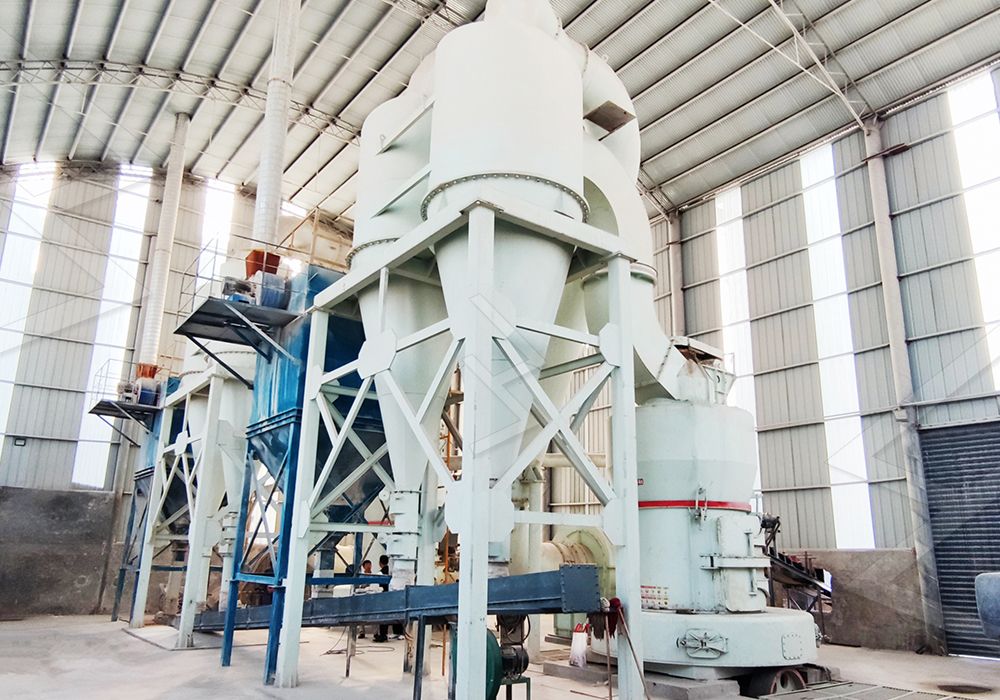
Once crushed, materials often require grinding to achieve the necessary fineness. Ball mills, a traditional and robust option, use steel balls within a rotating cylinder to impact and attrition the material. They are versatile but can be less energy-efficient. For more efficient grinding, vertical roller mills (VRMs) like the LM Vertical Grinding Mill integrate drying, grinding, classifying, and conveying, offering a significant reduction in energy consumption—up to 40% compared to ball mills—and a much smaller footprint.
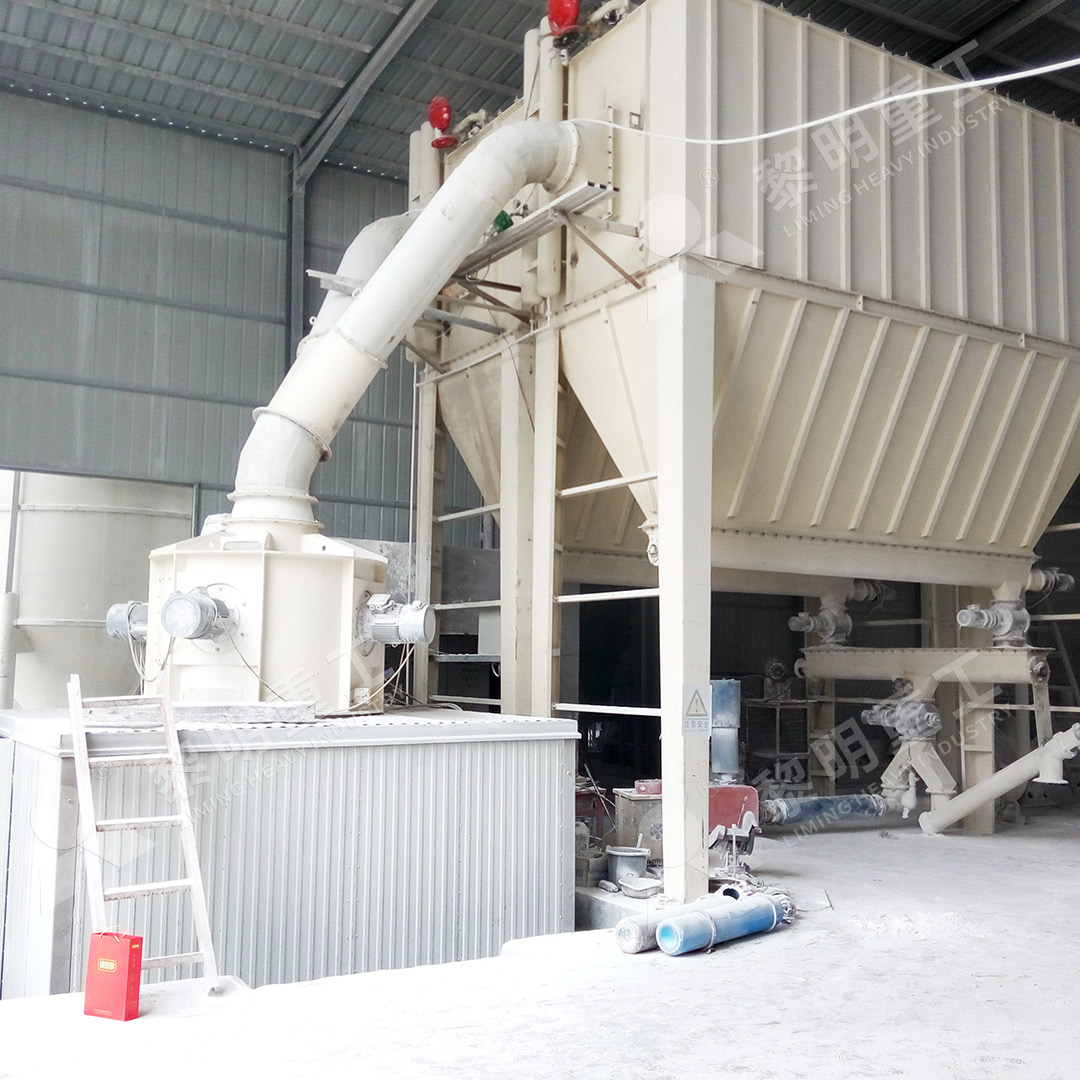
For applications demanding ultra-fine powders, specialized equipment is essential. Our MW Ultrafine Grinding Mill is engineered for this precise purpose. Capable of handling an input size of 0-20 mm and a capacity range of 0.5-25 tph, it produces powders with a fineness adjustable between 325 and 2500 meshes. Its innovative design, featuring a cage-type powder selector with German technology and the absence of rolling bearings in the grinding chamber, ensures higher yield, lower energy consumption, and worry-free, eco-friendly operation. It is perfectly suited for processing limestone, calcite, talc, and a wide range of chemicals and additives.
Specialized Applications: Coal and Slag
Certain materials, like coal for power plants or slag from steel production, require specialized milling solutions. The LM Vertical Coal Mill is designed to dry and grind coal simultaneously, offering simple operation, high efficiency, and stable product quality. Similarly, the LM Vertical Slag Mill is specifically built to transform industrial waste into valuable powder, integrating multiple processes into a single, efficient unit that drastically reduces energy use.
Frequently Asked Questions (FAQ)
What is the main difference between a crusher and a mill?
Crushers are used for the primary and secondary reduction of large, raw materials into smaller, manageable chunks (e.g., from 1m to 25mm). Mills are used for further grinding these chunks into fine or ultra-fine powders.
How do I choose the right grinding mill?
The choice depends on the material properties (hardness, moisture), required production capacity, and desired final fineness. Ball mills are a versatile standard, while vertical roller mills offer better energy efficiency for coarser grinds. For ultra-fine powders, specialized mills like the MW Ultrafine Grinding Mill are necessary.
Why is the MW Ultrafine Grinding Mill considered low-maintenance?
Its key design feature is the elimination of rolling bearings and screws inside the grinding chamber. This removes common failure points, preventing issues like bearing damage or loose screws, and allows for external lubrication without stopping production.
What are the benefits of a vertical roller mill over a ball mill?
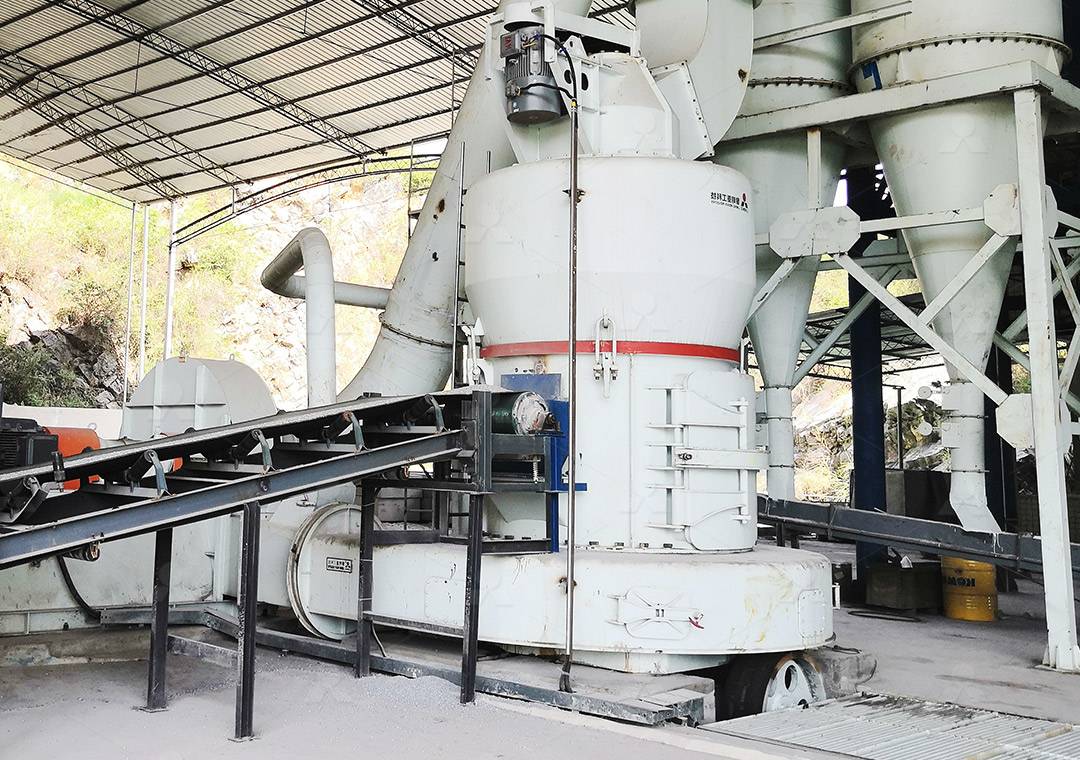
VRMs, like our LM series, typically have a 50% smaller footprint, 30-40% lower energy consumption, and integrate drying and grinding processes, leading to lower overall investment and operating costs.