
Key Considerations for Raw Material Selection in High-Quality Carbon Black Powder Production
We provide a wide range of mills — including Raymond mill, trapezoidal mill, vertical mill, ultrafine mill, and ball mill, obtained ISO9001 international quality certification, EU CE certification, and Customs Union CU-TR certification. Suitable for processing minerals such as limestone, phosphate, quicklime, kaolin, talc, barite, bentonite, calcium carbonate, dolomite, coal, gypsum, clay, carbon black, slag, cement raw materials, cement clinker, and more.
The discharge range of these mills can be adjusted to meet specific processing needs, typically from 80-400 mesh, 600-3250 mesh, and can achieve the finest particle size of up to 6000 mesh(D50).
If you are looking for a reliable grinding solution to turn stone or minerals into fine powder, please feel free to contact our online customer service.
Key Considerations for Raw Material Selection in High-Quality Carbon Black Powder Production
Producing high-quality carbon black powder is a complex process where the choice of raw material is just as critical as the grinding technology employed. The inherent properties of the feedstock directly influence the final product’s characteristics, including particle size distribution, purity, structure, and surface chemistry. Selecting the appropriate precursor material is the foundational step toward achieving consistent, superior-grade carbon black.
1. Understanding Feedstock Characteristics
The journey to premium carbon black begins with a deep understanding of the feedstock. Key parameters to evaluate include:
- Volatile Matter Content: High volatile content can lead to increased emissions during processing and may affect the final product’s porosity.
- Ash Content: Inorganic impurities (ash) can contaminate the final powder, reducing its purity and affecting its performance in applications like conductive polymers or high-grade inks.
- Initial Particle Size and Hardness: The grindability of the raw material dictates energy consumption and wear on mill components. Softer materials with a smaller initial input size are generally more efficient to process.
- Moisture Content: Excessive moisture can cause handling issues, clogging, and require additional energy for in-mill drying.
2. The Role of Advanced Grinding Technology
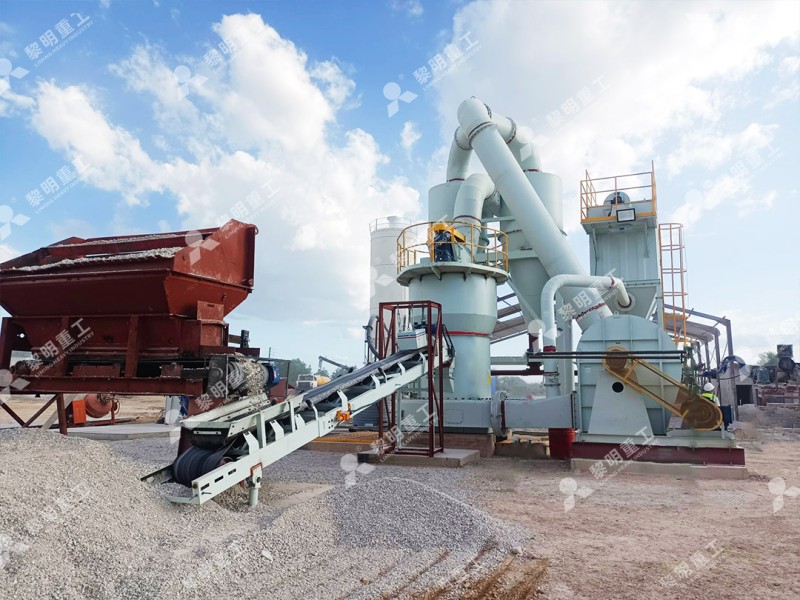
Once the ideal feedstock is selected, the grinding process must preserve and enhance its desired properties. Not all mills are created equal. The goal is to achieve ultra-fine particle sizes with a narrow distribution while minimizing energy use and contamination.
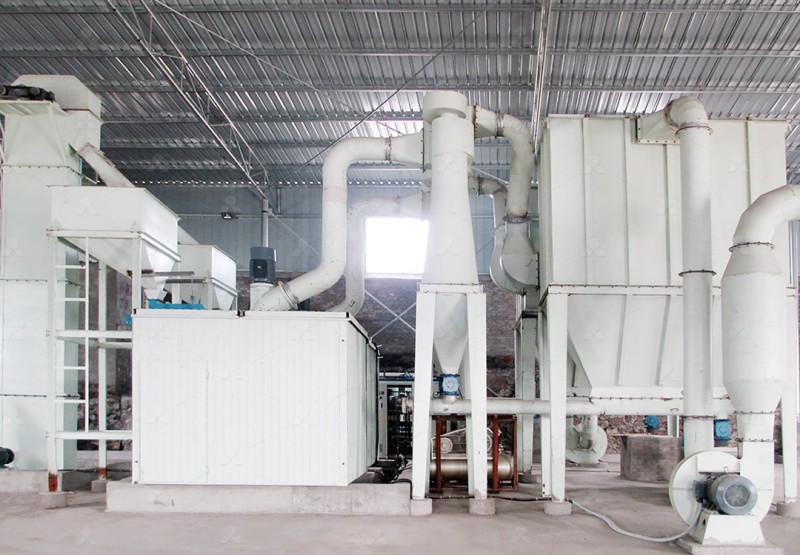
For operations requiring exceptional fineness and purity, our MW Ultrafine Grinding Mill is an exemplary solution. Engineered for customers who need to make ultra-fine powder, this mill is designed with a high-precision, German-technology cage-type powder selector, allowing adjustable fineness between 325-2500 meshes. Its unique design, featuring no rolling bearings or screws in the grinding chamber, eliminates a primary source of mechanical contamination and failure, ensuring the produced carbon black remains uncontaminated by metal wear. Furthermore, its higher yielding and lower energy consumption—40% higher capacity than jet mills—make it an economically and environmentally sound choice for high-value carbon black production.
3. Achieving Consistency and Purity
Consistency in particle size is paramount. Variations can lead to significant performance issues in downstream applications. Modern mills with advanced classifying systems are essential for achieving this tight distribution. Additionally, the mill’s construction must prioritize purity. The use of wear-resistant materials and designs that prevent metal-to-metal contact in critical areas are non-negotiable for producing high-purity carbon black where even trace metals are unacceptable.
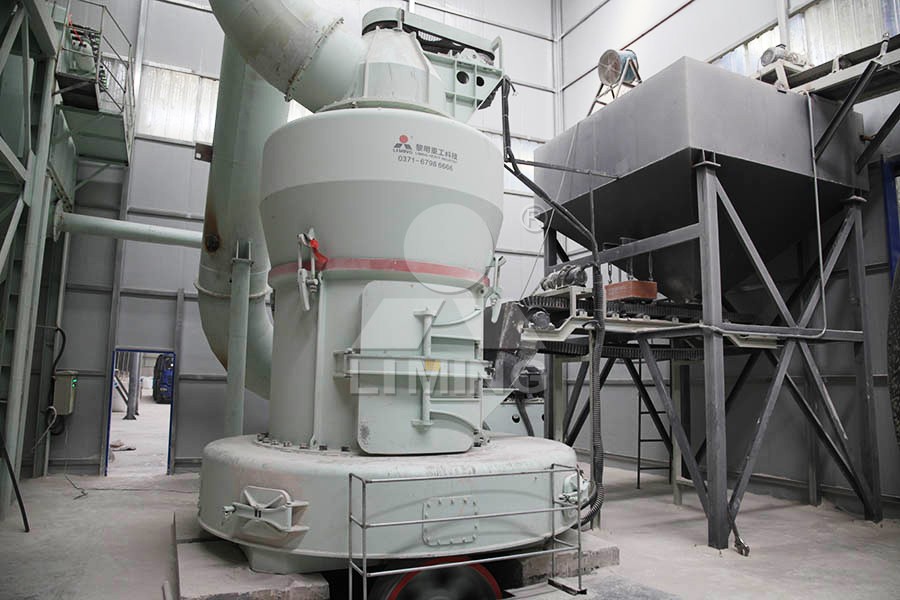
Another robust option for producers is the LUM Ultrafine Vertical Grinding Mill. It integrates ultrafine powder grinding, grading, and transporting with superior efficiency. Its unique roller shell and lining plate grinding curve design promotes stable material layer formation and achieves a high rate of finished product in a single pass. This enhances whiteness and cleanliness—critical factors for premium carbon black. The mill’s multi-head powder separating technology, controlled by a PLC system, allows for precise control over fineness and drastically reduces energy consumption by 30%-50% compared to conventional mills.
4. Operational and Environmental Considerations
Beyond the product itself, operational efficiency and environmental impact are crucial. Modern grinding systems must incorporate efficient dust collection and noise reduction technologies. A closed, negative-pressure system ensures no dust pollution, protecting both workers and the environment. Features like external lubrication systems allow for maintenance without shutdowns, supporting continuous 24/7 production cycles essential for large-scale manufacturing.
Frequently Asked Questions (FAQ)
Q1: Why is the initial input size of the raw material important?
A: The input size directly impacts grinding efficiency and energy consumption. A smaller, more consistent feed size (e.g., 0-20mm for the MW Mill) allows the mill to achieve target fineness faster and with less wear on grinding components, leading to lower operational costs and more consistent output.
Q2: How does the mill prevent contamination of the carbon black powder?
A: Advanced mills are designed to minimize contamination. For instance, the MW Ultrafine Grinding Mill has no rolling bearings or screws in the grinding chamber, a common source of metal wear. Furthermore, wear-resistant alloys for grinding rollers and rings, coupled with efficient sealing, ensure the final product has extremely low iron content and high purity.
Q3: What makes a grinding mill ‘energy-efficient’ for carbon black production?
A: Energy efficiency comes from innovative design features that enhance grinding effectiveness. This includes optimized grinding curves, high-efficiency classifiers that reduce over-grinding, and systems that integrate drying and grinding. The LUM Mill, for example, reduces energy consumption by 30-50% by using a multi-head powder separating technology and an efficient planetary gear system.
Q4: Can these mills handle the need for different fineness grades from the same base material?
A: Absolutely. Precision classification is key. Mills like the MW series feature an adjustable cage-type powder selector, allowing operators to accurately control the product fineness between 325 and 2500 meshes (d97 ≤5μm) to meet various customer specifications without needing multiple pieces of equipment.