
Grinding Roller and Grinding Ring Replacement Services for Raymond Mill
We provide a wide range of mills — including Raymond mill, trapezoidal mill, vertical mill, ultrafine mill, and ball mill, obtained ISO9001 international quality certification, EU CE certification, and Customs Union CU-TR certification. Suitable for processing minerals such as limestone, phosphate, quicklime, kaolin, talc, barite, bentonite, calcium carbonate, dolomite, coal, gypsum, clay, carbon black, slag, cement raw materials, cement clinker, and more.
The discharge range of these mills can be adjusted to meet specific processing needs, typically from 80-400 mesh, 600-3250 mesh, and can achieve the finest particle size of up to 6000 mesh(D50).
If you are looking for a reliable grinding solution to turn stone or minerals into fine powder, please feel free to contact our online customer service.
Ensuring Peak Performance: The Critical Role of Grinding Roller and Ring Maintenance
For operations relying on Raymond Mill technology, the grinding roller and grinding ring are the very heart of the pulverizing process. These components endure immense pressure and abrasion, directly impacting your mill’s output, product fineness, and overall operational costs. Recognizing the signs of wear and executing a timely, professional replacement is not merely maintenance—it’s a strategic investment in continuous productivity and product quality.
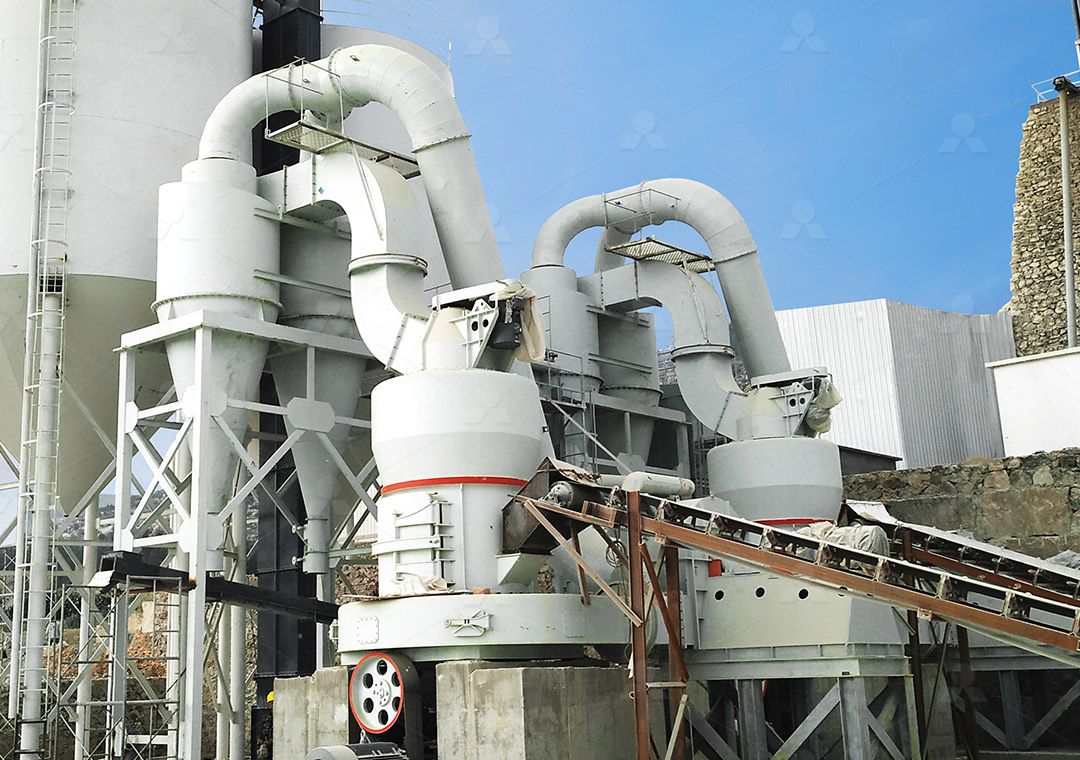
When to Consider Replacement: Key Indicators
Proactive monitoring is crucial. A noticeable decline in production output or a consistent inability to achieve the desired product fineness, despite adjusting operational parameters, is often the first sign of component wear. Increased power consumption for the same throughput indicates the mill is working harder due to reduced grinding efficiency. Audible changes, such as excessive metallic scraping or grinding noises, point to compromised clearances between the roller and ring. Visually, deep grooves, cracks, or significant material buildup that cannot be cleaned are definitive signals that a replacement is due to prevent catastrophic failure.
Our Comprehensive Replacement Service
Our service is engineered to minimize your downtime and maximize the lifespan of your new components. It begins with a thorough inspection of your entire grinding chamber by our certified technicians. We don’t just replace parts; we diagnose the root cause of the wear. The process includes the safe removal of the worn rollers and ring, a meticulous cleaning of the mill housing, precise installation of genuine, high-performance replacement parts, and comprehensive testing and calibration to ensure the mill returns to its original manufacturer specifications. We use only OEM-grade materials, often incorporating advanced alloys for enhanced durability and wear resistance compared to standard parts.
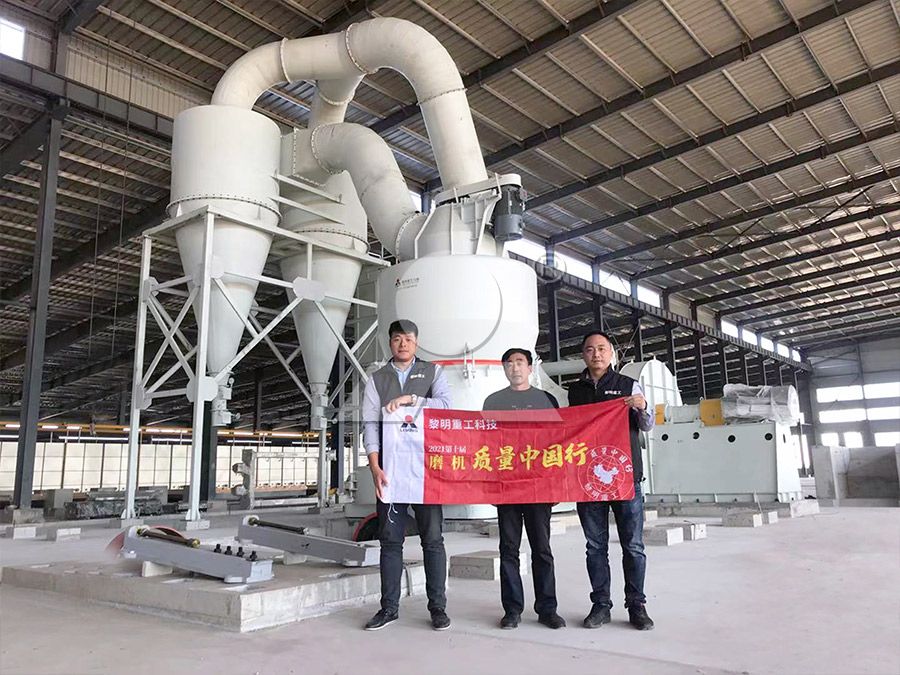
Upgrading Your Grinding Capabilities
While maintaining your existing Raymond Mill is essential, many operators are discovering significant advantages by upgrading to more modern and efficient grinding technologies. For operations requiring ultra-fine powders, our MW Ultrafine Grinding Mill represents a substantial leap forward. Designed for customers needing to make 325-2500 mesh powder, it features newly designed grinding curves of the roller and ring that enhance efficiency dramatically. With the same fineness and power, its production capacity is 40% higher than jet mills and double that of ball mills, while reducing system energy consumption by 30%. Its unique design, with no rolling bearings or screws in the grinding chamber, eliminates common failure points and allows for external lubrication without shutdown, supporting continuous 24/7 production.
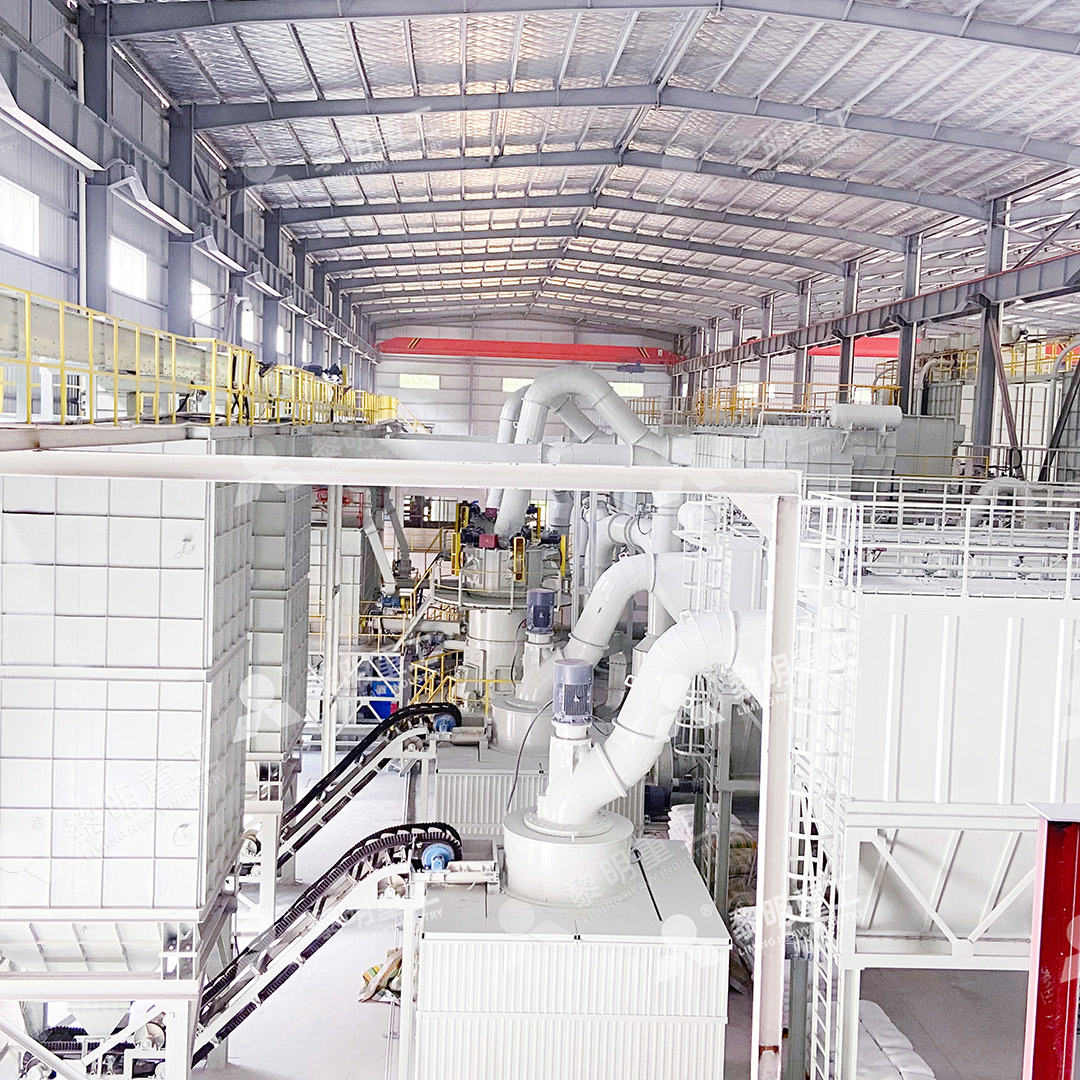
For another powerful option, consider the LUM Ultrafine Vertical Grinding Mill. It integrates ultrafine powder grinding, grading, and transporting with exceptional efficiency. Its unique roller shell and lining plate grinding curve design promotes easier material layer generation and a higher rate of finished product in a single pass. Featuring multi-head powder separating technology and a PLC control system, it offers precise control over grinding parameters, reducing energy consumption by 30-50% compared to traditional mills. Its reversible structure is a maintenance breakthrough, allowing grinding rollers to be easily moved out of the body for inspection and replacement, drastically reducing downtime.
Frequently Asked Questions (FAQ)
How often should grinding rollers and rings be replaced?
There’s no universal timeline; it depends entirely on the abrasiveness of the processed material, hours of operation, and desired product fineness. Monitoring performance metrics is the best way to determine the optimal replacement interval for your specific operation.
Can I use non-OEM replacement parts to save cost?
While cheaper initially, non-OEM parts often have shorter lifespans and different metallurgical properties. This can lead to premature failure, inconsistent product quality, and even damage to other mill components, ultimately resulting in higher long-term costs and more frequent downtime.
What is the typical downtime for a full roller and ring replacement?
With an experienced crew and proper preparation, a standard replacement can typically be completed within 24-48 hours. This includes disassembly, installation, and recalibration. Downtime can be further minimized with planned maintenance shutdowns.
Beyond replacement, how can I extend the life of these components?
Ensure consistent and correct feed material size, implement a regular maintenance schedule for inspections and lubrication, and maintain balanced airflow and grinding pressure settings as per operational manuals.