
Optimizing Kaolin Grinding Processes for Enhanced Efficiency and Product Quality
We provide a wide range of mills — including Raymond mill, trapezoidal mill, vertical mill, ultrafine mill, and ball mill, obtained ISO9001 international quality certification, EU CE certification, and Customs Union CU-TR certification. Suitable for processing minerals such as limestone, phosphate, quicklime, kaolin, talc, barite, bentonite, calcium carbonate, dolomite, coal, gypsum, clay, carbon black, slag, cement raw materials, cement clinker, and more.
The discharge range of these mills can be adjusted to meet specific processing needs, typically from 80-400 mesh, 600-3250 mesh, and can achieve the finest particle size of up to 6000 mesh(D50).
If you are looking for a reliable grinding solution to turn stone or minerals into fine powder, please feel free to contact our online customer service.
Optimizing Kaolin Grinding Processes for Enhanced Efficiency and Product Quality
The kaolin processing industry is continuously evolving, demanding higher efficiency, superior product quality, and stricter environmental compliance. Achieving the optimal balance between these factors hinges on selecting the right grinding technology. Traditional methods often fall short, leading to high energy consumption, inconsistent particle size distribution, and contamination that compromises the whiteness and purity essential for high-value kaolin applications.
The Critical Role of Advanced Milling Technology
Kaolin, or china clay, is a soft white clay vital to numerous industries, including paper, ceramics, paints, and cosmetics. Its value is directly tied to its fineness, brightness, and viscosity. Inefficient grinding can introduce iron contamination from worn parts, reduce brightness through overheating, and create a broad particle size distribution that negatively affects the material’s performance. Modern grinding solutions are engineered to overcome these challenges, focusing on precision, cleanliness, and energy efficiency.
Introducing the MW Ultrafine Grinding Mill: A Paradigm Shift
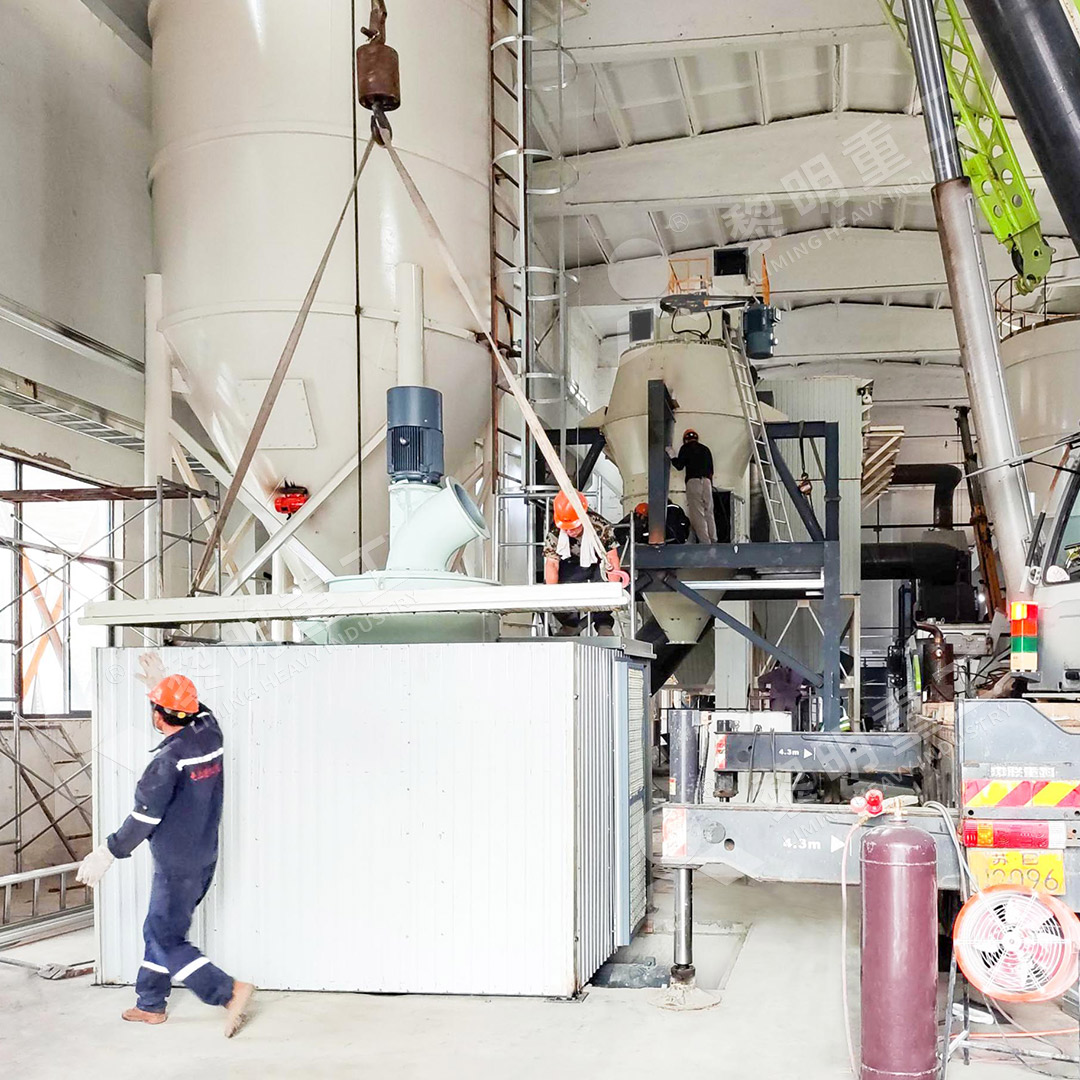
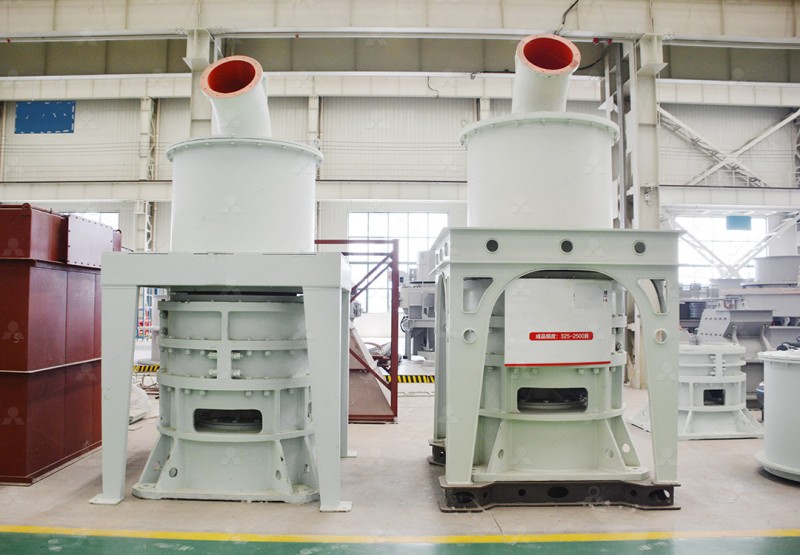
For operations targeting ultra-fine kaolin powder with unparalleled consistency, the MW Ultrafine Grinding Mill represents a significant technological leap. This mill is specifically designed for customers requiring precise control over particle size, from 325 to 2500 meshes, with a capacity range of 0.5 to 25 tph. Its innovative design directly addresses the core challenges of kaolin processing.
A key differentiator is its higher yielding and lower energy consumption. With newly designed grinding curves, the MW Mill achieves a production capacity 40% higher than jet or stirred grinding mills and double that of a ball mill, while reducing system energy consumption by up to 70%. This efficiency translates directly into a lower cost per ton and a reduced carbon footprint.
Features That Ensure Superior Kaolin Quality
- Exceptional Purity: The absence of rolling bearings and screws in the grinding chamber is a masterstroke for kaolin processing. It eliminates the primary source of iron contamination from mechanical wear, thereby preserving the material’s natural whiteness and ensuring a cleaner final product.
- Precision Particle Sizing: The multi-head, cage-type powder selector, incorporating German technology, allows for exacting control over fineness and a high screening rate of d97≤5μm in a single pass. This ensures a narrow, consistent particle size distribution critical for coating applications.
- Eco-Friendly Operation: An integrated efficient pulse dust collector and muffler system guarantees a dust-free and low-noise working environment, ensuring full compliance with national environmental protection standards.
A Robust Alternative: The LUM Ultrafine Vertical Grinding Mill
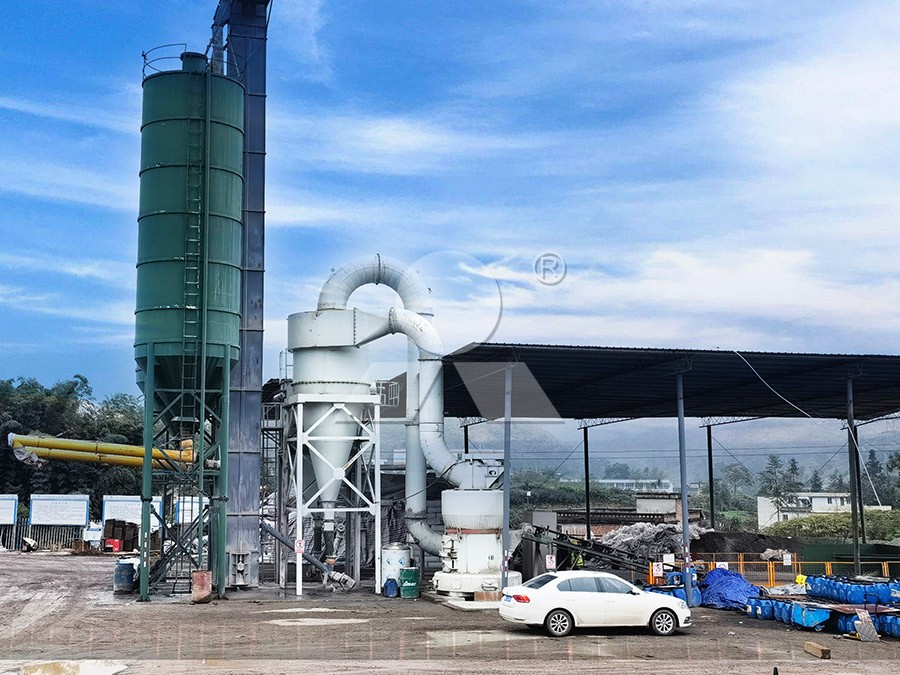
For operations with a slightly different feed size requirement (0-10 mm) and needing capacities between 5-18 tph, the LUM Ultrafine Vertical Grinding Mill is another exemplary solution. It integrates the latest grinding roller and powder separating technologies to minimize material lingering time, which prevents over-grinding and reduces iron content. Its unique roller shell and lining plate grinding curve are easier to generate a stable material layer, resulting in a high rate of finished product in a single pass and improved whiteness.
Furthermore, its reversible structure simplifies maintenance. Heavy grinding rollers can be easily hydraulically swung out of the mill body, drastically reducing downtime for inspection and part replacement, a crucial factor for continuous production environments.
Conclusion
Investing in the right grinding technology is not merely an equipment purchase; it is a strategic decision that impacts product quality, operational costs, and environmental stewardship. For kaolin producers aiming to excel in a competitive market, adopting advanced mills like the MW or LUM series is the definitive path to achieving enhanced efficiency and unparalleled product quality.
Frequently Asked Questions (FAQ)
- What is the primary advantage of the MW Mill for kaolin over a traditional ball mill?
The MW Mill offers significantly higher efficiency (double the yield) and lower energy consumption (30% of a jet mill), but most critically, its design eliminates internal screws and rolling bearings, drastically reducing iron contamination to preserve kaolin’s whiteness. - How does the MW Mill achieve such a precise and consistent particle size?
It utilizes a advanced multi-head cage-type powder selector based on German technology. This allows for extremely accurate classification of particles, enabling operators to dial in a specific fineness between 325-2500 meshes with a very narrow distribution. - Can these mills handle the need for 24/7 continuous operation?
Yes. Both the MW and LUM mills are designed for robust, continuous operation. Features like external lubrication systems on the MW Mill (allowing lubrication without shutdown) and the reversible maintenance-friendly design of the LUM Mill are specifically engineered to maximize uptime. - Are these mills suitable for other materials besides kaolin?
Absolutely. While ideal for kaolin, both mills are highly versatile. They are effectively used for limestone, calcite, dolomite, talc, barite, and other non-metallic minerals with similar hardness and grinding requirements.