
Lead Oxide Ball Mill: PDF Download for Manufacturing Process and Equipment Guide
We provide a wide range of mills — including Raymond mill, trapezoidal mill, vertical mill, ultrafine mill, and ball mill, obtained ISO9001 international quality certification, EU CE certification, and Customs Union CU-TR certification. Suitable for processing minerals such as limestone, phosphate, quicklime, kaolin, talc, barite, bentonite, calcium carbonate, dolomite, coal, gypsum, clay, carbon black, slag, cement raw materials, cement clinker, and more.
The discharge range of these mills can be adjusted to meet specific processing needs, typically from 80-400 mesh, 600-3250 mesh, and can achieve the finest particle size of up to 6000 mesh(D50).
If you are looking for a reliable grinding solution to turn stone or minerals into fine powder, please feel free to contact our online customer service.
Lead Oxide Ball Mill: PDF Download for Manufacturing Process and Equipment Guide
For professionals in the battery manufacturing and pigment industries, the production of high-quality lead oxide is a critical process. The traditional method for this is oxidation via a ball milling process, which requires robust, efficient, and reliable equipment. This guide outlines the core principles and modern alternatives for this essential manufacturing operation.
The Ball Milling Process for Lead Oxide
The lead oxide ball mill is a key piece of equipment designed to convert elemental lead into lead oxide (PbO) through a tumbling and oxidation process. Metallic lead cylinders, or “buckshot,” are fed into a rotating drum containing lead balls. The friction and impact generated within the drum create heat, causing the lead to oxidize. The resulting material is a mixture of lead monoxide (PbO) and unoxidized lead, the ratio of which is carefully controlled for specific battery plate characteristics.
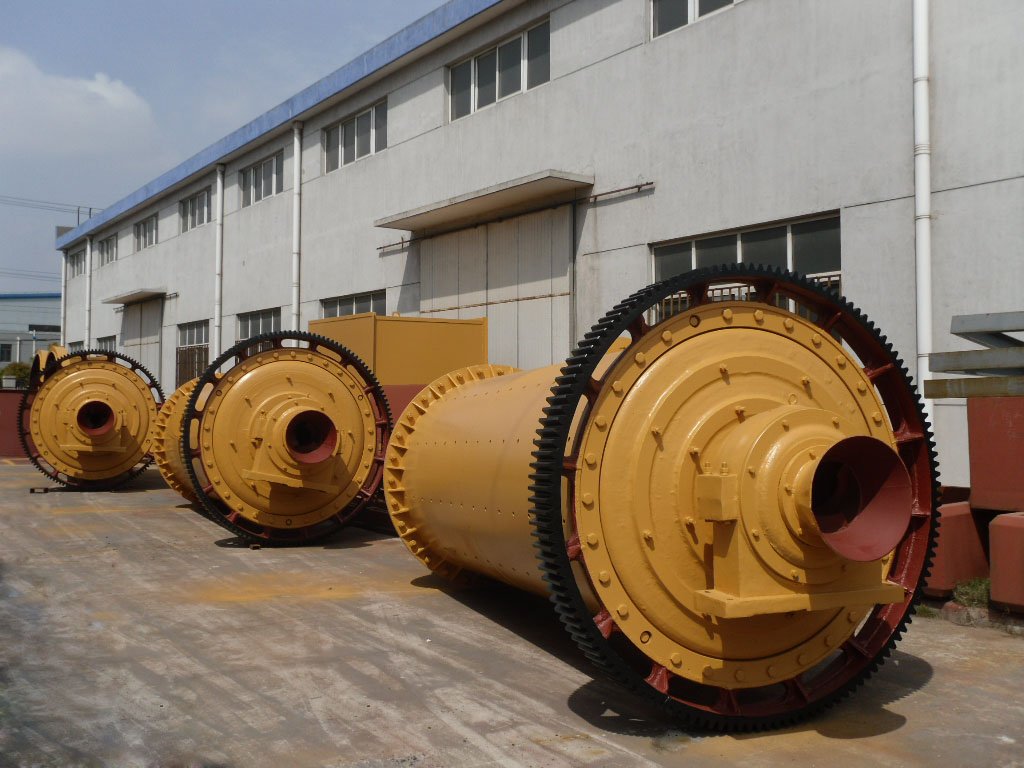
Key operational parameters include:
- Temperature Control: Critical for determining the oxide’s crystal structure (tetragonal or orthorhombic).
- Airflow: Regulates the oxygen supply for the oxidation reaction.
- Retention Time: Dictates the final oxidation level and particle size distribution.
Modernizing Your Production Line
While traditional ball mills are effective, they can be energy-intensive and require significant operational oversight. For facilities looking to diversify or enhance their fine powder production capabilities—for materials like limestone, calcite, or talc—modern grinding technology offers superior efficiency and control.
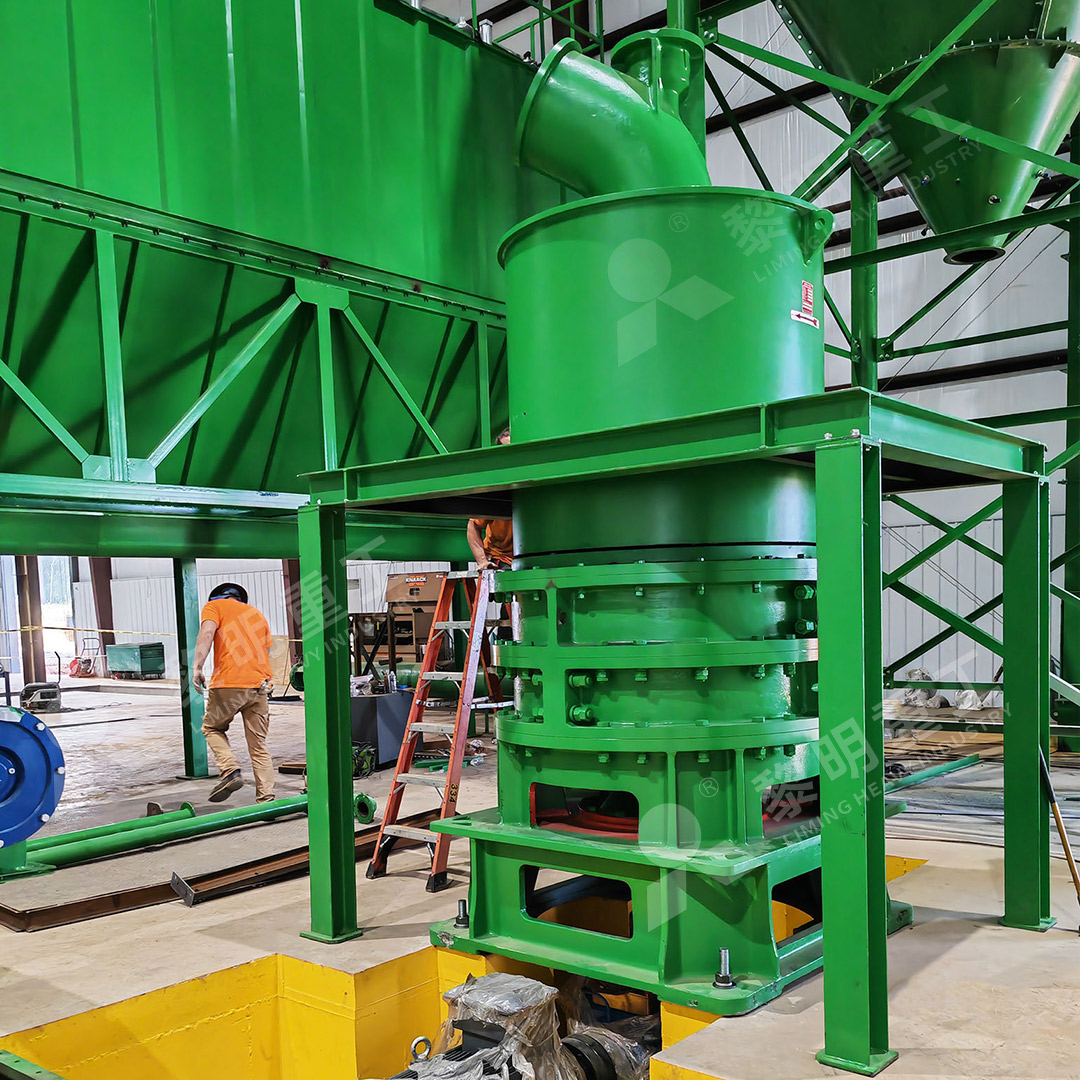
For ultra-fine powder requirements beyond lead oxide, our MW Ultrafine Grinding Mill presents a significant technological leap. Engineered for customers who need to make ultra-fine powder between 325-2500 meshes, this mill is ideal for a vast range of applications in the chemical, paint, and cosmetics industries. Its design ensures higher yielding at lower energy consumption, with a production capacity 40% higher than jet mills and double that of traditional ball mills, while using only 30% of the energy. A significant advantage is its maintenance-friendly design; with no rolling bearings or screws in the grinding chamber, users avoid common failure points and associated downtime.
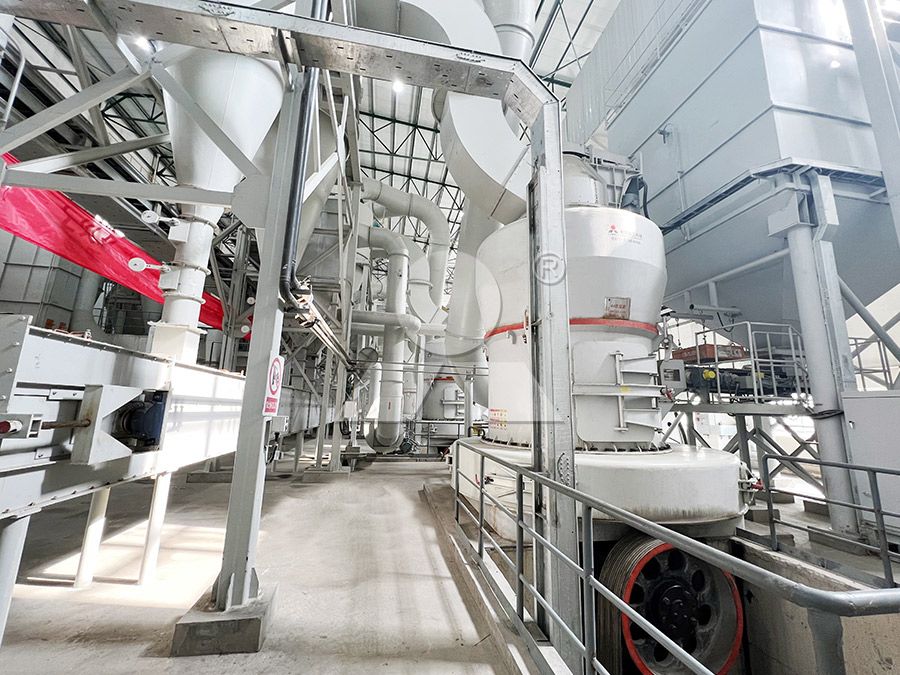
Furthermore, for operations seeking a vertical solution that integrates multiple processes, the LUM Ultrafine Vertical Grinding Mill is an excellent choice. It combines ultrafine grinding, grading, and transporting in a single, compact unit. Its unique roller shell and lining plate grinding curve generate a stable material layer, enabling a high rate of finished product in a single pass. Features like PLC-controlled multi-head powder separating technology and double position-limiting technology ensure precise control and exceptional operational stability, reducing energy consumption by 30%-50%.
Conclusion
Selecting the right milling equipment is paramount for product quality and operational cost. While the lead oxide ball mill remains a industry staple for specific applications, exploring advanced grinding technologies can unlock new efficiencies and product capabilities. We recommend a thorough analysis of your production goals to select the optimal machinery.
Frequently Asked Questions (FAQ)
- What is the primary difference between a Barton pot and a ball mill for lead oxide production?
A Barton pot system is a continuous oxidation process that produces a more crystalline, tetragonal form of PbO. A ball mill is a batch process that produces a more reactive, “free lead” containing, amorphous PbO, which is often preferred for certain battery types. - Why consider an MW Ultrafine Grinding Mill for non-lead materials?
The MW Mill is designed for extreme fineness and energy efficiency. Its lack of internal bearings and screws in the grinding chamber drastically reduces maintenance needs and risk of contamination, making it perfect for high-purity industries like food additive, cosmetics, and advanced ceramics. - Can the LUM Vertical Mill handle drying and grinding simultaneously?
Yes, a key advantage of the LUM Ultrafine Vertical Grinding Mill is its ability to integrate hot air airflow, allowing it to grind and dry moisture-containing materials in a single step, streamlining the process and saving energy. - How important is dust collection in these milling systems?
It is critical. Both our MW and LUM mills are equipped with highly efficient pulse dust collectors and mufflers, ensuring no dust pollution and low-noise operation. This is essential for meeting national environmental protection standards and maintaining a safe workplace.