
Parts of a BUCAF Multi Crop Crusher Mill: A Comprehensive Breakdown
We provide a wide range of mills — including Raymond mill, trapezoidal mill, vertical mill, ultrafine mill, and ball mill, obtained ISO9001 international quality certification, EU CE certification, and Customs Union CU-TR certification. Suitable for processing minerals such as limestone, phosphate, quicklime, kaolin, talc, barite, bentonite, calcium carbonate, dolomite, coal, gypsum, clay, carbon black, slag, cement raw materials, cement clinker, and more.
The discharge range of these mills can be adjusted to meet specific processing needs, typically from 80-400 mesh, 600-3250 mesh, and can achieve the finest particle size of up to 6000 mesh(D50).
If you are looking for a reliable grinding solution to turn stone or minerals into fine powder, please feel free to contact our online customer service.
Understanding the Core Components of Industrial Grinding
For professionals in mining, construction, and chemical processing, understanding the anatomy of a crusher mill is crucial for optimal operation and maintenance. A BUCAF Multi Crop Crusher Mill is a sophisticated piece of machinery designed to handle a variety of materials, from limestone and calcite to coal and barite. Its efficiency stems from a harmonious interplay of several key components, each engineered for durability, precision, and performance.
1. The Grinding Chamber: The Heart of the Operation
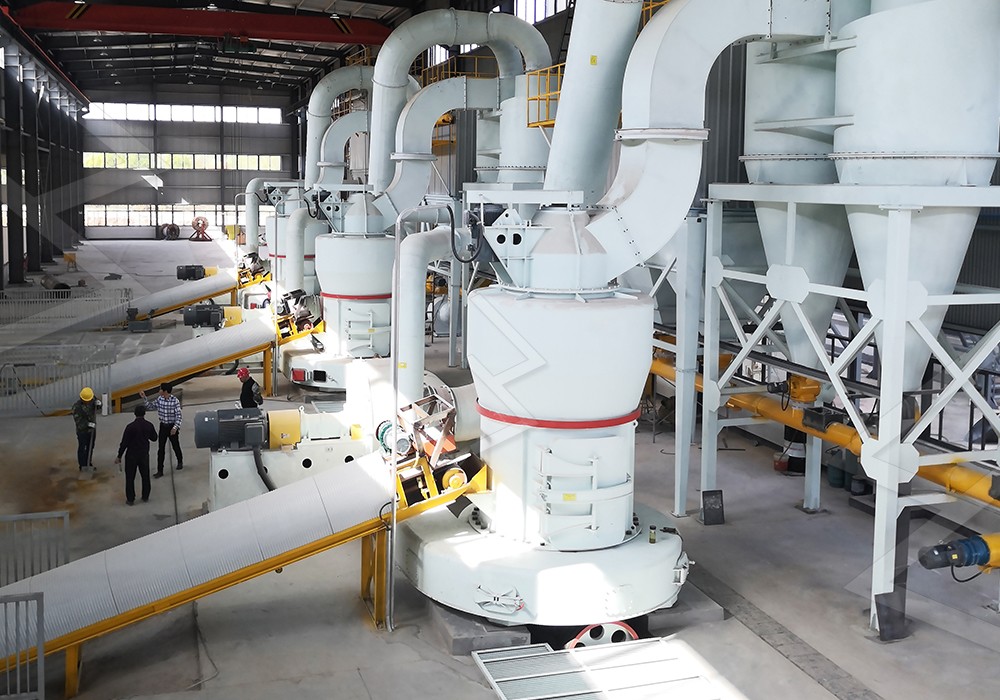
This is where the primary action happens. Materials are fed into this chamber to be pulverized between the grinding rollers and the ring. A critical design advancement in modern mills is the elimination of rolling bearings and screws within this chamber. This eliminates common failure points, preventing machine damage from loose components and bearing seal failures, thereby significantly enhancing operational reliability and reducing downtime.
2. The Grinding Roller and Ring Assembly
These are the workhorses of the mill, responsible for the actual crushing and grinding. Their design is not one-size-fits-all; advanced mills feature newly designed grinding curves on these components to drastically enhance grinding efficiency. The materials used, often specialized wear-resistant alloys, are developed to withstand immense pressure and abrasion, offering a service life significantly longer than traditional materials.
3. The Powder Separator (Classifier)
Once materials are ground, the powder separator takes over. This component is vital for determining the final product’s fineness. Advanced models utilize multi-head cage-type powder selectors with technology that allows for precise adjustment of the product fineness, often between 325 to 2500 meshes. This ensures a high screening rate and consistent product quality tailored to specific customer requirements.
4. The Reducer and Drive System
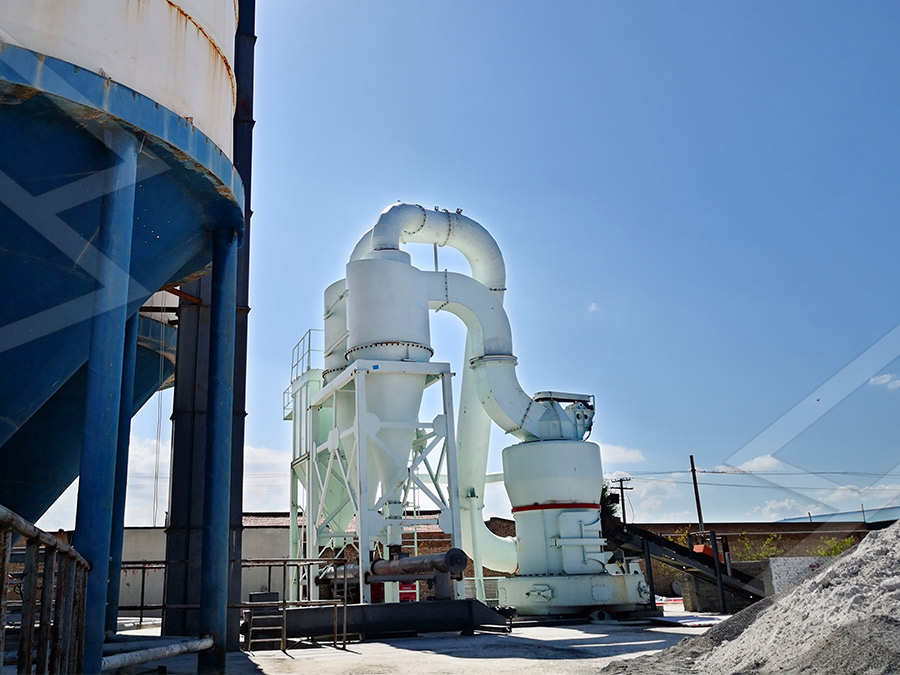
This system provides the necessary torque to rotate the grinding table and rollers. A robust and precisely engineered reducer is essential for smooth, stable operation and energy efficiency. It ensures the consistent rotational speed required for uniform grinding and product quality.
5. Pulse Dust Collector and Muffler System
Modern industrial equipment must prioritize environmental responsibility. An integrated pulse dust collector ensures that no dust pollution is generated during the entire milling process, capturing fine particles effectively. Coupled with a silencer or noise elimination room, this system drastically reduces operational noise, making the entire production process compliant with stringent environmental protection standards.
6. Hydraulic and Lubrication Systems
These systems ensure the smooth operation and longevity of mechanical parts. External lubricating devices allow for lubrication without shutdown, enabling continuous 24/7 production. Hydraulic systems are used to apply and adjust the grinding pressure, allowing the mill to efficiently process materials of varying hardness.
Upgrading Your Operation with Advanced Technology
While understanding the parts of a standard mill is important, leveraging the latest technological advancements can provide a significant competitive edge. For operations requiring ultra-fine powder with superior efficiency, we highly recommend considering our MW Ultrafine Grinding Mill.
This machine is engineered for customers who need to make ultra-fine powder (325-2500 meshes) from materials like limestone, calcite, dolomite, and talc. It boasts a capacity of 0.5-25 TPH and features higher yielding with 40% higher capacity than jet mills and lower energy consumption, using only 30% of the energy of a jet mill. Its standout feature is the absence of rolling bearings and screws in the grinding chamber, virtually eliminating associated maintenance worries and allowing for external, on-the-fly lubrication.
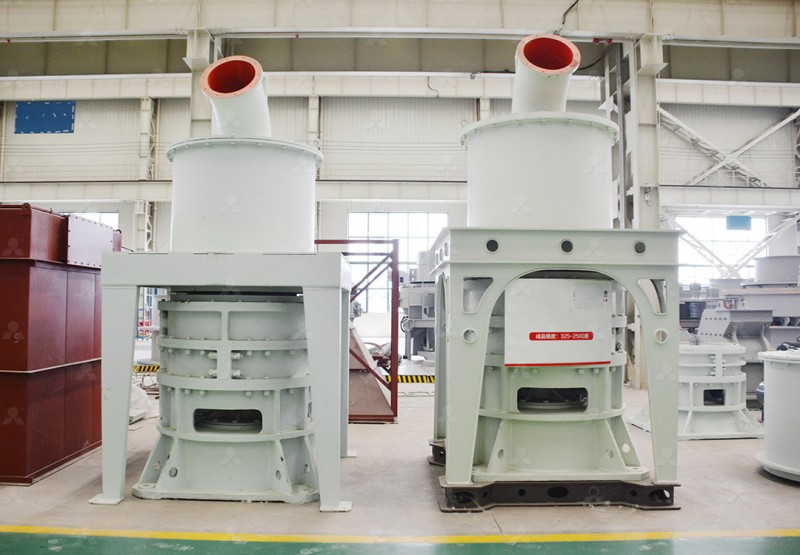
For another robust option, our LUM Ultrafine Vertical Grinding Mill integrates grinding, grading, and transporting. With an input size of 0-10mm and a capacity of 5-18 TPH, it is perfect for superfine dry powder of non-metal ores. It features more energy-saving multi-head powder separating technology and a unique reversible structure that simplifies maintenance, making it an intelligent choice for modern processing plants.
Frequently Asked Questions (FAQ)
What materials can a BUCAF Multi Crop Crusher Mill process?
These mills are highly versatile and can process a wide range of non-metallic minerals and industrial materials, including limestone, calcite, dolomite, petroleum coal, gypsum, barite, marble, talc, and coal powder. Specific models are also applicable in chemical, paint, cosmetic, and food additive industries.
How is the fineness of the final powder controlled?
The fineness is precisely controlled by an advanced powder separator (classifier). In models like the MW Mill, a cage-type powder selector allows operators to adjust the product fineness between 325 and 2500 meshes to meet exact specifications.
What are the key advantages of modern grinding mills over traditional ball mills?
Modern mills like the MW and LUM series offer significantly higher efficiency (40%+ higher yield), lower energy consumption (30-50% less), smaller footprint, and more environmentally friendly operation with integrated dust collection and noise reduction systems. They also feature designs that minimize maintenance and wear on critical components.
How does the design contribute to easier maintenance?
Innovations such as the reversible structure in the LUM Mill allow grinding rollers to be easily moved out of the body for inspection and replacement. Furthermore, the external lubrication design on the MW Mill enables maintenance without stopping production, maximizing uptime.