
Small Power Plant Desulfurization: Limestone Grinding Mill Options
We provide a wide range of mills — including Raymond mill, trapezoidal mill, vertical mill, ultrafine mill, and ball mill, obtained ISO9001 international quality certification, EU CE certification, and Customs Union CU-TR certification. Suitable for processing minerals such as limestone, phosphate, quicklime, kaolin, talc, barite, bentonite, calcium carbonate, dolomite, coal, gypsum, clay, carbon black, slag, cement raw materials, cement clinker, and more.
The discharge range of these mills can be adjusted to meet specific processing needs, typically from 80-400 mesh, 600-3250 mesh, and can achieve the finest particle size of up to 6000 mesh(D50).
If you are looking for a reliable grinding solution to turn stone or minerals into fine powder, please feel free to contact our online customer service.
Small Power Plant Desulfurization: Limestone Grinding Mill Options
For small-scale power plants implementing Flue Gas Desulfurization (FGD) systems, the selection of an appropriate limestone grinding mill is a critical decision that directly impacts operational efficiency, compliance, and overall cost-effectiveness. The process requires finely ground limestone, typically with a particle size where 90% passes through 325 mesh (44 microns), to ensure optimal reactivity with sulfur dioxide in the flue gas. This article explores the key considerations and optimal machinery choices for this specific application.
The Core Challenge: Efficient Ultra-Fine Grinding
The primary objective is to transform crushed limestone feedstock into a highly reactive powder. This demands a mill that excels not only in fineness but also in energy efficiency, reliability, and environmental performance, all within a compact footprint suitable for smaller operations.
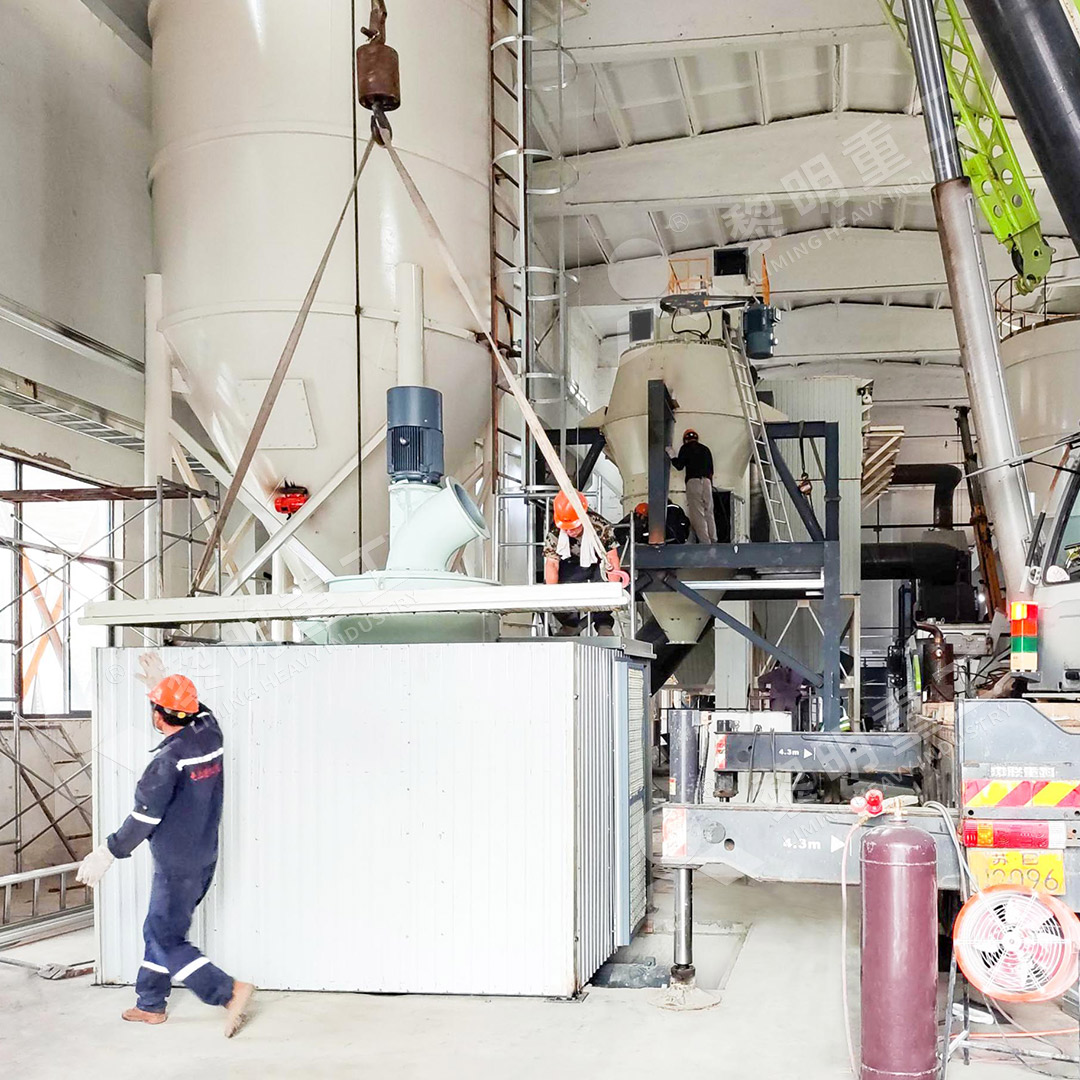
Recommended Solution: MW Ultrafine Grinding Mill
For small power plants seeking a balance of high performance and operational simplicity, the MW Ultrafine Grinding Mill stands out as a premier choice. Engineered specifically for producing ultra-fine powders, this mill is particularly adept at processing limestone for desulfurization.
With an input size of 0-20 mm and a capacity range of 0.5-25 tons per hour, it is perfectly scaled for smaller FGD systems. Its defining feature is the ability to produce powder with a fineness adjustable between 325 and 2500 meshes, ensuring you can consistently meet the precise fineness specifications required for maximum SO2 absorption. The mill’s cage-type powder selector, incorporating German technology, guarantees high precision in particle separation, achieving a screening rate of d97≤5μm in a single pass.
Key Advantages for Desulfurization
- Higher Yielding, Lower Energy Consumption: Its newly designed grinding curves enhance efficiency, offering production capacity 40% higher than jet or stirred grinding mills with the same power input. System energy consumption is a remarkable 70% lower than traditional jet mills.
- Eco-Friendly Operation: Integral to its design is an efficient pulse dust collector and muffler, ensuring the entire milling process generates no dust pollution and operates with minimal noise, aligning perfectly with environmental standards.
- Enhanced Reliability: A significant design advantage is the absence of rolling bearings and screws within the grinding chamber. This eliminates common failure points, preventing machine damage from loose screws or bearing seal failures. External lubrication allows for maintenance without shutdown, supporting continuous 24/7 operation crucial for power plant uptime.
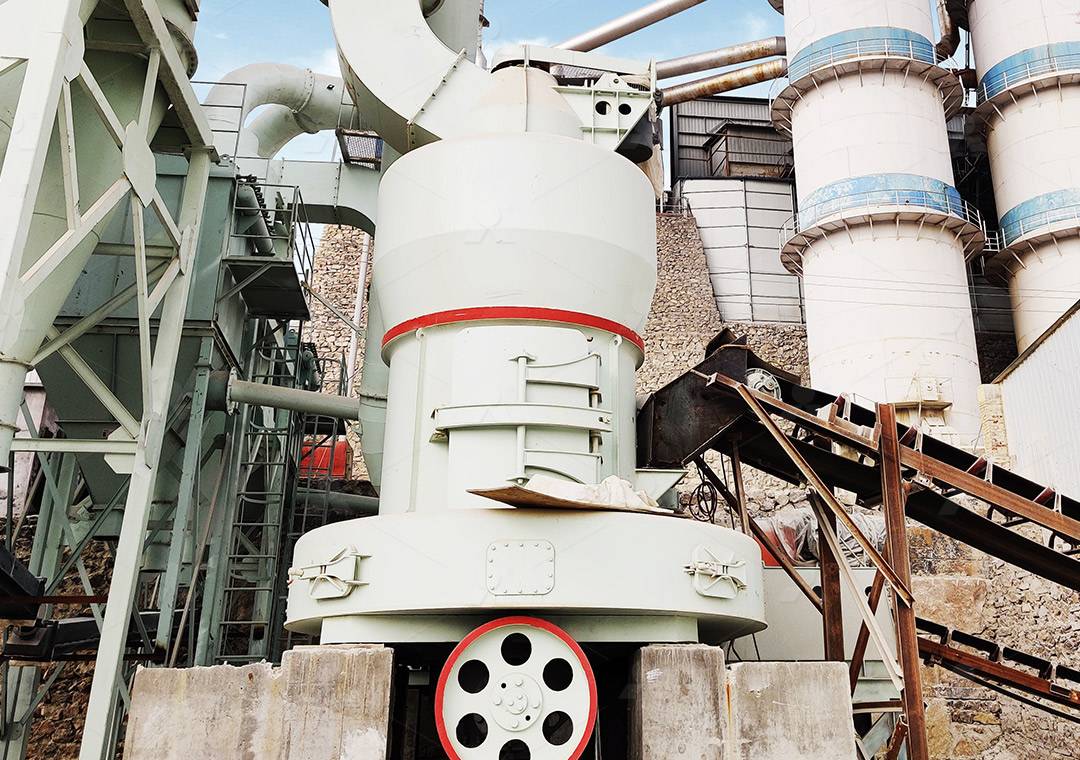
Alternative Consideration: LUM Ultrafine Vertical Grinding Mill
For plants prioritizing even greater energy savings and advanced automation, the LUM Ultrafine Vertical Grinding Mill is another excellent option. It integrates grinding, grading, and transporting with exceptional efficiency. Its unique roller shell and lining plate grinding curve are designed to easily generate a material layer, enabling a high rate of finished product in a single pass. It reduces energy consumption by 30%-50% compared to ordinary grinding mills and features advanced PLC control for precise parameter management.
Conclusion
Selecting the right grinding technology is paramount for the economic and environmental success of a small power plant’s desulfurization system. The MW Ultrafine Grinding Mill, with its targeted design for ultra-fine powder, exceptional energy efficiency, and robust, low-maintenance operation, provides an ideal solution for producing the high-quality limestone slurry necessary for effective SO2 removal.
Frequently Asked Questions (FAQ)
What fineness of limestone powder is required for power plant desulfurization?
For effective reactivity in wet FGD systems, the limestone powder typically needs to be ground to a fineness where 90% of the particles pass through a 325 mesh (44 micron) screen.
Why choose the MW Mill over a traditional Raymond Mill for this application?
While Raymond Mills are capable, the MW Ultrafine Grinding Mill is specifically engineered for higher efficiency and finer output. It provides significantly higher yield at lower energy consumption for ultra-fine grinding (325-2500 mesh) and incorporates more advanced environmental controls like integrated pulse dust collection.
How does the MW Mill contribute to lower operational costs?
Cost savings are achieved through three main avenues: drastically reduced energy consumption per ton of output, minimal maintenance due to its simple and robust internal chamber design (no bearings or screws to fail inside), and high reliability ensuring maximum plant uptime.
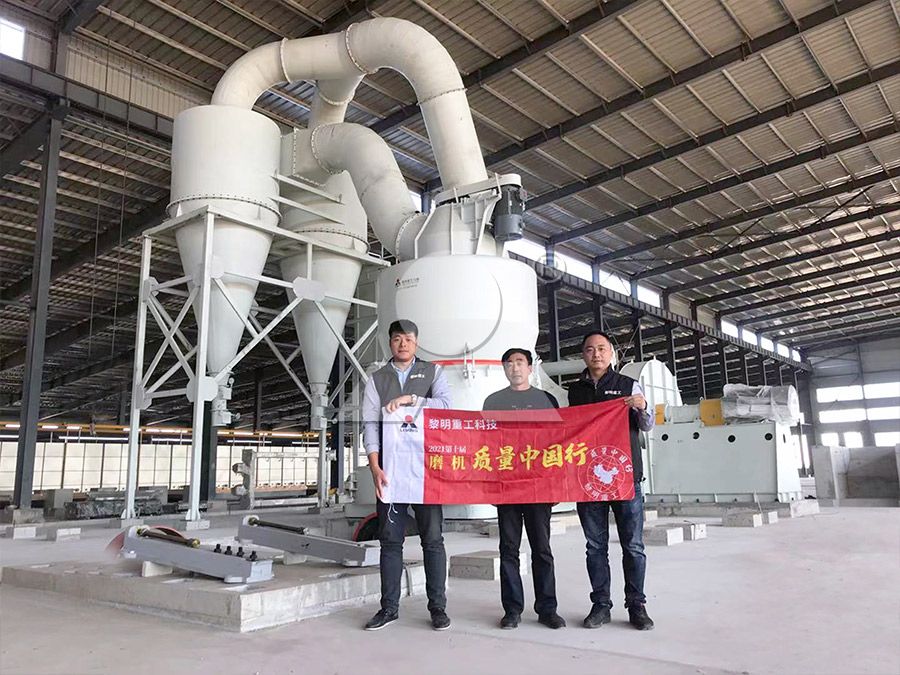
Can the MW Mill handle other materials besides limestone?
Absolutely. The MW Ultrafine Grinding Mill is versatile and suitable for a wide range of non-flammable and non-explosive brittle materials with Mohs hardness under 6, including calcite, dolomite, gypsum, and talc.