
Top 5 Industrial Grinding Mills for Efficient Mineral Processing
We provide a wide range of mills — including Raymond mill, trapezoidal mill, vertical mill, ultrafine mill, and ball mill, obtained ISO9001 international quality certification, EU CE certification, and Customs Union CU-TR certification. Suitable for processing minerals such as limestone, phosphate, quicklime, kaolin, talc, barite, bentonite, calcium carbonate, dolomite, coal, gypsum, clay, carbon black, slag, cement raw materials, cement clinker, and more.
The discharge range of these mills can be adjusted to meet specific processing needs, typically from 80-400 mesh, 600-3250 mesh, and can achieve the finest particle size of up to 6000 mesh(D50).
If you are looking for a reliable grinding solution to turn stone or minerals into fine powder, please feel free to contact our online customer service.
Top 5 Industrial Grinding Mills for Efficient Mineral Processing
Selecting the right grinding mill is a critical decision for any mineral processing operation. It directly impacts productivity, operational costs, and the quality of the final product. With a myriad of technologies available, understanding the strengths of each mill type is essential. Here, we explore five of the most efficient and widely-used industrial grinding mills in the industry today.
1. Vertical Roller Mills (VRM)
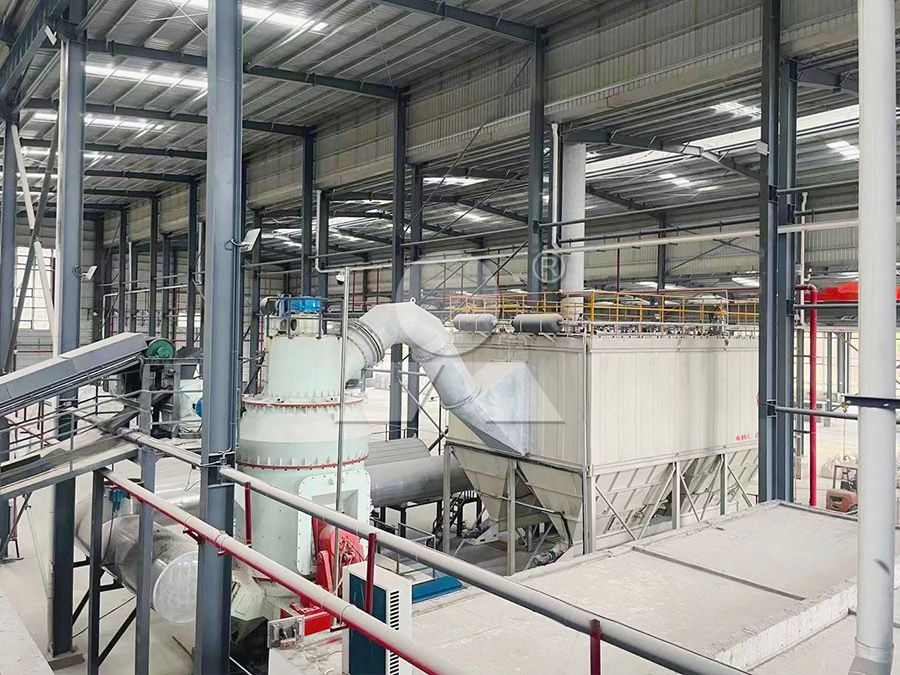
Vertical Roller Mills have revolutionized grinding by integrating crushing, drying, grinding, classification, and conveying into a single, compact unit. Their vertical structure significantly reduces the floor space requirement—often by 50% compared to traditional ball mills. VRMs are renowned for their energy efficiency, typically saving 30-40% on energy consumption. They are exceptionally versatile, handling materials from limestone and slag to coal and clinker. The short material retention time minimizes over-grinding and ensures a consistent product with low iron content.
2. Ultrafine Grinding Mills
For applications requiring superfine powders in the range of 325 to 2500 meshes, ultrafine grinding mills are the go-to solution. A standout in this category is our MW Ultrafine Grinding Mill. Engineered for customers who need to make ultra-fine powder, this mill boasts a production capacity 40% higher than jet mills and double that of ball mills at the same power and fineness. Its innovative design features a German-technology cage-type powder selector for precise separation and a grinding chamber free of rolling bearings and screws, eliminating common failure points and allowing for external lubrication without shutdown. Equipped with an efficient pulse dust collector and muffler, the MW Series ensures an eco-friendly operation with minimal dust and noise pollution.
3. European Trapezium Grinding Mills
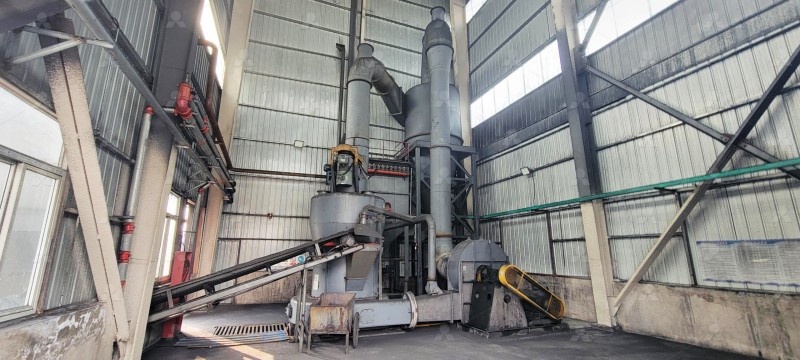
The MTW Series and MTW-Z European Trapezium Mills represent a significant evolution of the classic Raymond mill. They are characterized by their high efficiency and advanced features, such as bevel gear overall drives and inner automatic thin-oil lubricating systems. These mills are ideal for processing non-flammable minerals like calcite, talc, and barite. Key advantages include their split-type shovel blade for increased working area, wear-resistant alloy grinding rollers, and low-resistance cambered air ducts that contribute to lower energy consumption. Their compact design and professional dust removal systems make them a clean and space-saving option.
4. Ball Mills
A long-standing workhorse in mineral processing, the ball mill remains a reliable and cost-effective choice for many operations. Its simple horizontal rotating design, filled with grinding media like steel balls, is effective for grinding a wide variety of ores and other materials. While generally less energy-efficient than newer VRM technology, ball mills offer lower initial investment costs and are renowned for their robust and reliable performance, making them a common sight in beneficiation, construction, and chemical industries.
5. LUM Ultrafine Vertical Grinding Mills
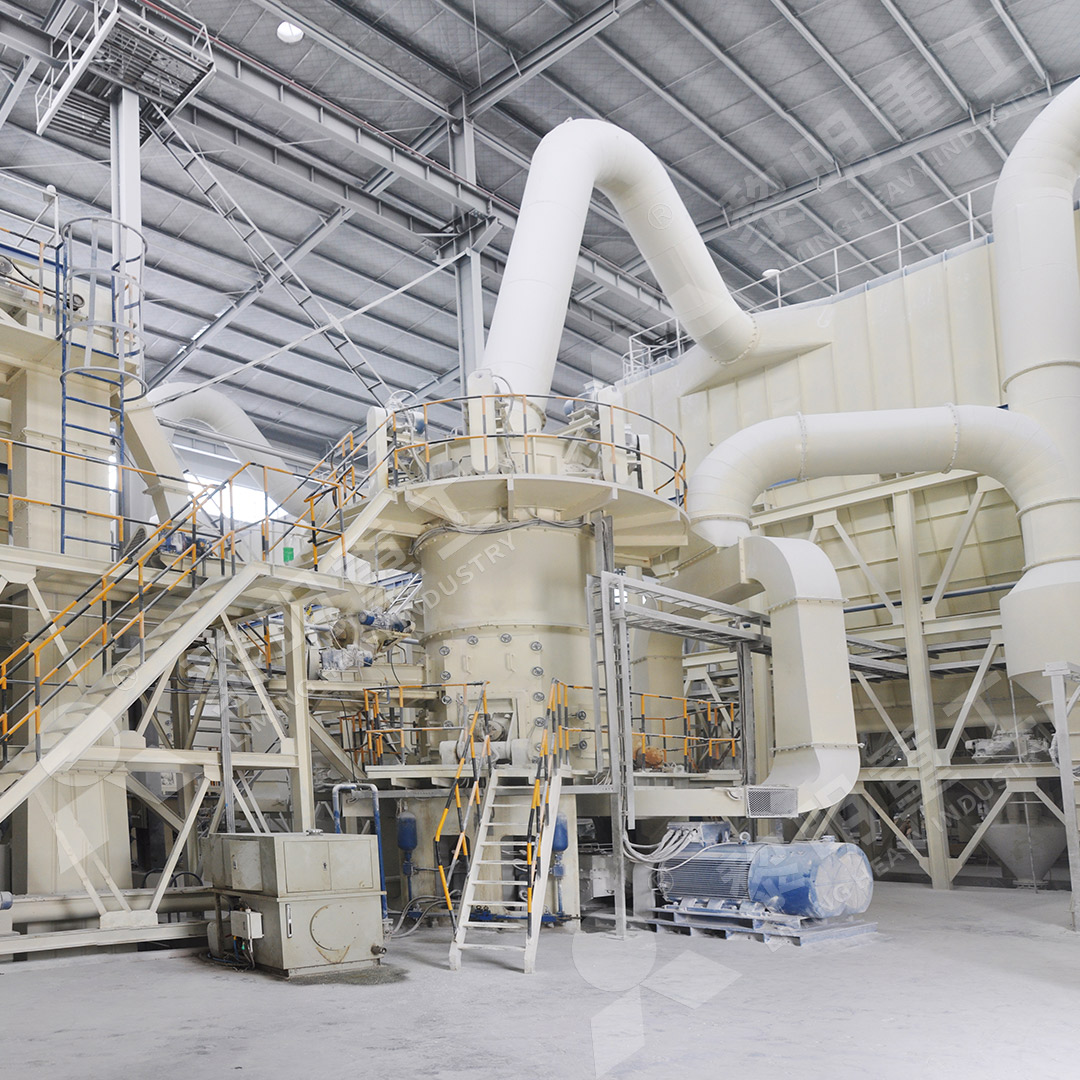
Another exceptional offering for ultrafine powder production is the LUM Ultrafine Vertical Grinding Mill. This mill combines the latest Taiwanese grinding roller technology with German powder separating technology. Its unique roller shell and lining plate grinding curve are designed to easily generate a material layer, enabling a high rate of finished product from a single pass. This design enhances efficiency and improves the whiteness and cleanliness of the final powder. The LUM mill also features double position-limiting technology for stable operation and a reversible structure that allows the heavy grinding roller to be easily moved out for maintenance, drastically reducing downtime.
Frequently Asked Questions (FAQ)
What is the main advantage of a Vertical Roller Mill over a Ball Mill?
The primary advantages are significantly higher energy efficiency (30-40% savings), a much smaller physical footprint, and integrated drying and grinding capabilities, which streamline the entire process.
My application requires powder at 1500 mesh. Which mill should I consider?
For ultrafine grinding demands up to 2500 meshes, an ultrafine mill like our MW Series or LUM Series is specifically designed for this purpose. They offer precise particle size control and high efficiency in this fine range.
How important is dust control in a grinding mill operation?
Extremely important. Dust poses health risks, safety hazards, and environmental challenges. Modern mills like the MW Series are equipped with efficient pulse dust collectors and sealed systems that operate under negative pressure to ensure a clean, compliant work environment.
What features reduce maintenance downtime?
Look for designs that facilitate easy access to wear parts. For instance, our LUM Mill has a reversible structure for easy roller maintenance, and the MW Series has no internal bearings or screws in the grinding chamber, preventing common mechanical failures.