
Comprehensive Utilization of Mica Powder in Industrial Production and Waste Resource Recovery
We provide a wide range of mills — including Raymond mill, trapezoidal mill, vertical mill, ultrafine mill, and ball mill, obtained ISO9001 international quality certification, EU CE certification, and Customs Union CU-TR certification. Suitable for processing minerals such as limestone, phosphate, quicklime, kaolin, talc, barite, bentonite, calcium carbonate, dolomite, coal, gypsum, clay, carbon black, slag, cement raw materials, cement clinker, and more.
The discharge range of these mills can be adjusted to meet specific processing needs, typically from 80-400 mesh, 600-3250 mesh, and can achieve the finest particle size of up to 6000 mesh(D50).
If you are looking for a reliable grinding solution to turn stone or minerals into fine powder, please feel free to contact our online customer service.
Unlocking the Potential of Mica Powder in Modern Industry
Mica, a naturally occurring silicate mineral known for its excellent thermal stability, electrical insulation, and reinforcing properties, has become an indispensable material across numerous industrial sectors. Its journey from raw mineral to high-value powder involves sophisticated processing technologies that determine the final product’s quality and applicability. The comprehensive utilization of mica powder not only enhances product performance in various applications but also plays a crucial role in waste resource recovery, contributing to more sustainable industrial practices.
Industrial Applications of Processed Mica Powder
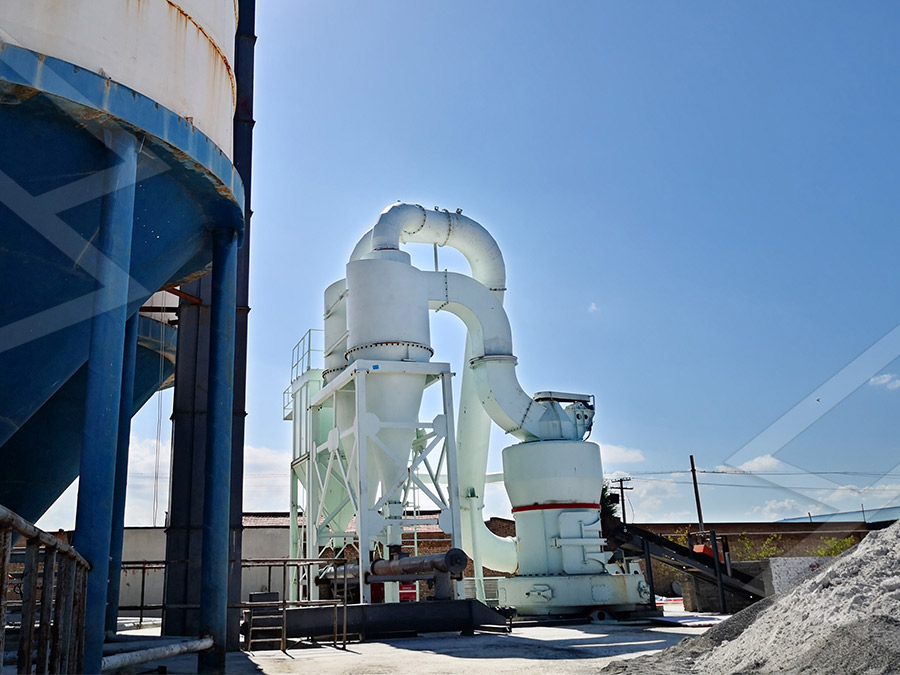
Processed mica powder serves as a critical component in paints and coatings, where it acts as a natural extender and reinforcing agent, improving durability and weather resistance. In the plastics industry, mica enhances structural integrity and dimensional stability while reducing warpage. The cosmetics sector utilizes its light-diffusing properties in foundations and powders, while the construction industry incorporates mica into joint compounds and cement for improved workability and crack resistance.
Beyond these traditional applications, advanced material science has unlocked new possibilities for mica in high-tech sectors. Its exceptional dielectric properties make it valuable in electronics manufacturing, particularly as an insulator in capacitors and semiconductor devices. The automotive industry incorporates mica-reinforced composites for under-the-hood components requiring thermal stability, while the aerospace sector values its combination of lightness and strength.
Waste Resource Recovery: Turning Byproducts into Value
The processing of mica-bearing ores inevitably generates waste materials that traditionally ended up in landfills. Modern approaches now focus on recovering value from these byproducts through advanced separation and grinding technologies. Waste mica, once considered undesirable, can be transformed into valuable additives for agriculture as soil conditioners, for wastewater treatment as absorbents, or as raw material for synthetic mica production.
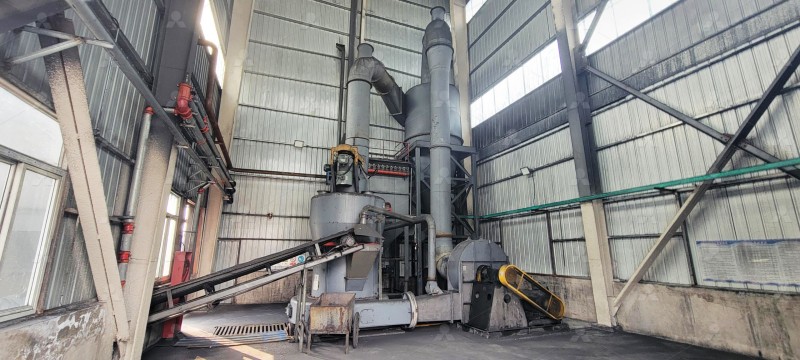
This circular approach to mica processing not only reduces environmental impact but also creates additional revenue streams from materials previously considered waste. The key to successful recovery lies in efficient grinding and classification systems that can separate mica from associated minerals and produce powders with consistent particle size distributions suitable for various applications.
Advanced Grinding Solutions for Superior Mica Processing
The transformation of raw mica into high-quality powder demands precision grinding equipment capable of producing ultra-fine particles while maintaining the mineral’s inherent properties. Conventional grinding methods often damage mica’s platelet structure, reducing its effectiveness as a reinforcing material. Advanced milling technologies now address this challenge through innovative design features that preserve mica’s natural characteristics while achieving desired fineness levels.
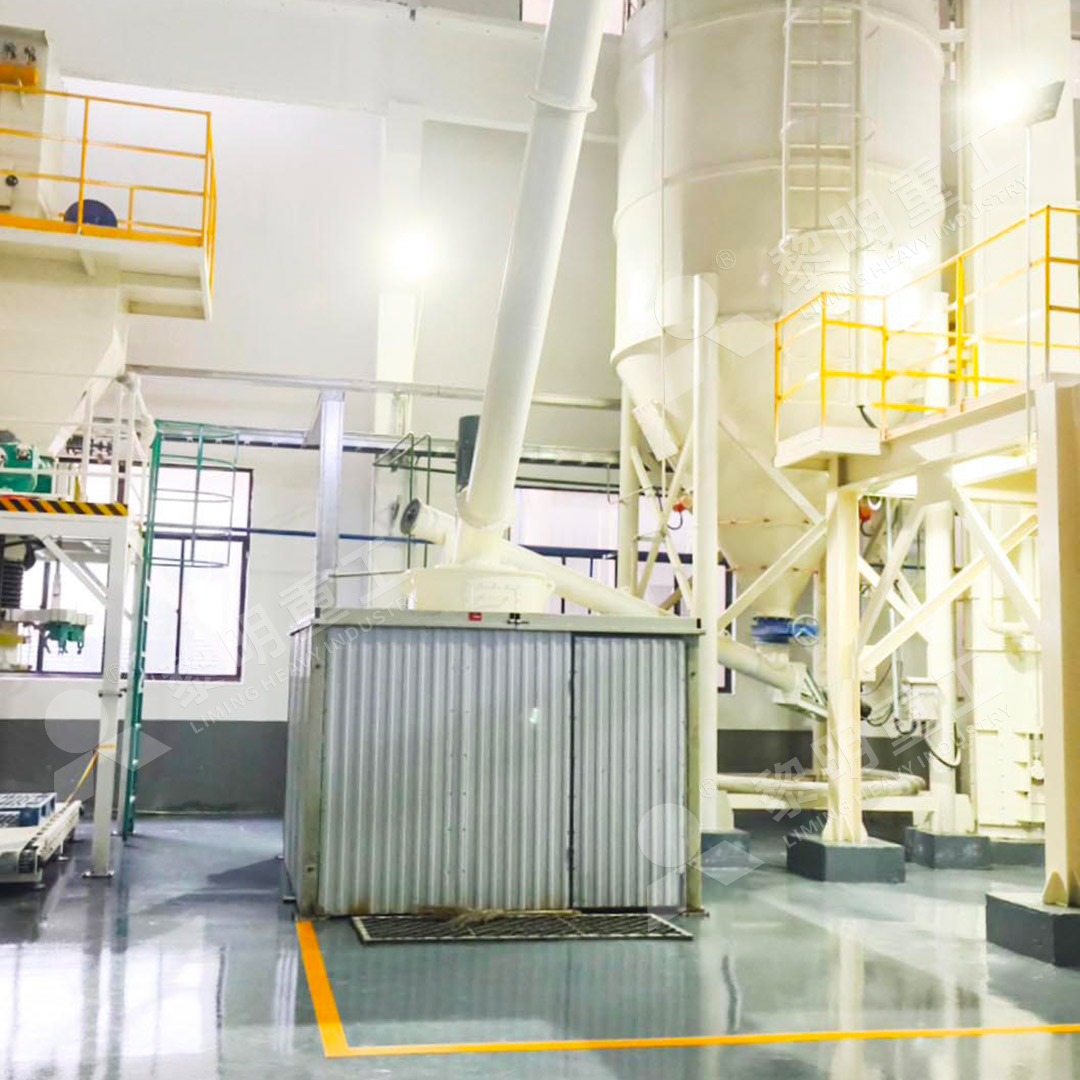
For operations requiring ultra-fine mica powder with precise particle size control, the MW Ultrafine Grinding Mill represents an ideal solution. This advanced mill handles input sizes up to 20 mm with capacities ranging from 0.5 to 25 tph, making it suitable for both primary and secondary grinding applications. Its German-designed cage-type powder selector enables precise fineness adjustment between 325-2500 meshes, with screening rates achieving d97≤5μm in a single pass. The absence of rolling bearings and screws in the grinding chamber eliminates common failure points, while the external lubrication system allows for continuous 24-hour operation without shutdowns for maintenance.
The mill’s efficient pulse dust collector and muffler system ensure environmentally responsible operation, containing mica dust—a particular concern given its respirable nature—and reducing noise pollution. These features make the MW Ultrafine Grinding Mill particularly valuable for mica processing, where product purity and consistent particle morphology are critical for end-use applications.
Frequently Asked Questions
What makes mica powder valuable in industrial applications?
Mica powder offers unique properties including high dielectric strength, thermal stability, chemical inertness, and excellent reinforcing capabilities. These characteristics make it valuable across diverse sectors from electronics to construction.
How does proper grinding affect mica’s performance characteristics?
Proper grinding preserves mica’s platelet structure, which is essential for its reinforcement properties. Advanced grinding technologies maintain aspect ratios while achieving desired fineness, ensuring optimal performance in final applications.
What environmental considerations are important in mica processing?
Dust control is paramount due to respirable concerns. Modern grinding systems incorporate efficient dust collection, noise reduction features, and often enable waste recovery, contributing to more sustainable operations.
Can waste mica materials be effectively recovered and reused?
Yes, advanced grinding and separation technologies allow recovery of mica from processing waste, creating value-added products while reducing environmental impact through circular economy approaches.
What technical specifications should be considered when selecting mica grinding equipment?
Key considerations include achievable fineness range, capacity requirements, energy efficiency, maintenance needs, dust control capabilities, and ability to preserve mica’s natural platelet structure during processing.