
Comparison of Feldspar Powder Production Processes: Ball Mill vs. Raymond Mill
We provide a wide range of mills — including Raymond mill, trapezoidal mill, vertical mill, ultrafine mill, and ball mill, obtained ISO9001 international quality certification, EU CE certification, and Customs Union CU-TR certification. Suitable for processing minerals such as limestone, phosphate, quicklime, kaolin, talc, barite, bentonite, calcium carbonate, dolomite, coal, gypsum, clay, carbon black, slag, cement raw materials, cement clinker, and more.
The discharge range of these mills can be adjusted to meet specific processing needs, typically from 80-400 mesh, 600-3250 mesh, and can achieve the finest particle size of up to 6000 mesh(D50).
If you are looking for a reliable grinding solution to turn stone or minerals into fine powder, please feel free to contact our online customer service.
Introduction
Selecting the optimal grinding process is a critical decision for feldspar processors, directly impacting product quality, operational costs, and overall profitability. Two of the most historically prevalent technologies in mineral powder processing are the Ball Mill and the Raymond Mill. While both are designed to reduce material size, their operating principles, efficiency, and final product characteristics differ significantly. This article provides a professional comparison to guide your investment decision.
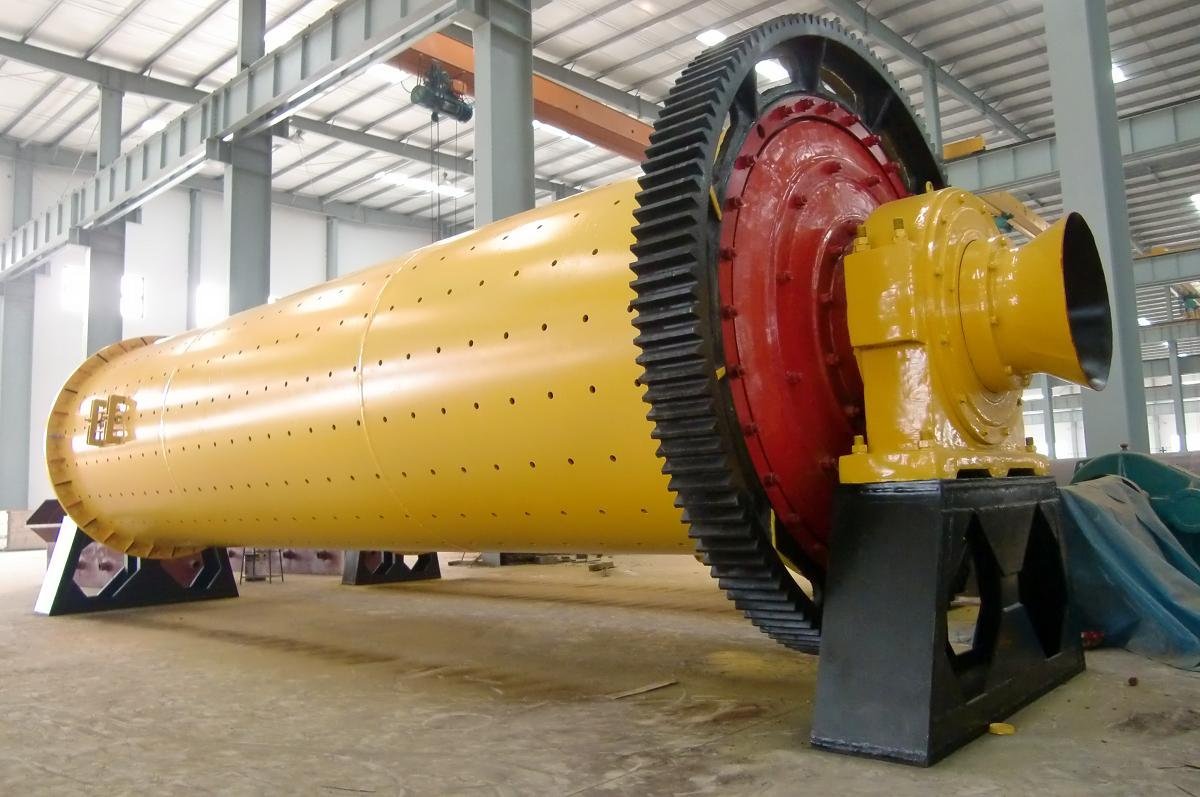
Ball Mill: The Traditional Workhorse
The Ball Mill is a robust, horizontal rotating cylinder filled with grinding media, typically steel balls. As the cylinder rotates, the balls are lifted and then cascade onto the material, crushing and grinding it through impact and attrition. This method is well-suited for both wet and dry grinding and is known for its ability to produce a consistently uniform product.
Key Advantages:
- Versatility: Capable of grinding a very wide range of materials to a relatively fine powder.
- Simplicity: Simple design and operation, making it a reliable, low-maintenance option.
- Proven Technology: A long-established technology with well-understood operational parameters.
Key Limitations:
- High Energy Consumption: The process is inherently energy-intensive due to the weight of the rotating drum and grinding media.
- Noise and Vibration: Operation generates significant noise and mechanical vibration.
- Lower Efficiency for Ultra-Fine Grinding: Achieving very fine meshes (e.g., beyond 325 mesh) can be inefficient and time-consuming.
Raymond Mill: The Air-Swept Specialist
The Raymond Mill, a type of roller mill, utilizes centrifugal force where spring-loaded rollers grind against a stationary ring. The ground material is then pneumatically conveyed to a classifier. The oversize particles are rejected and returned for further grinding, while the in-spec powder is collected by a cyclone or bag filter. This closed-circuit system is highly efficient for dry grinding.
Key Advantages:
- Higher Efficiency: Generally offers higher capacity and lower specific energy consumption than a ball mill for similar applications.
- Precise Classification: Integrated dynamic classifier allows for tighter control over product fineness.
- Smaller Footprint: More compact design compared to a ball mill of similar capacity.
Key Limitations:
- Wear on Abrasive Materials: Grinding rollers and rings can experience significant wear when processing highly abrasive materials.
- Lower Capacity for Very Hard Materials: May struggle with extremely hard ores compared to the impact force of a ball mill.
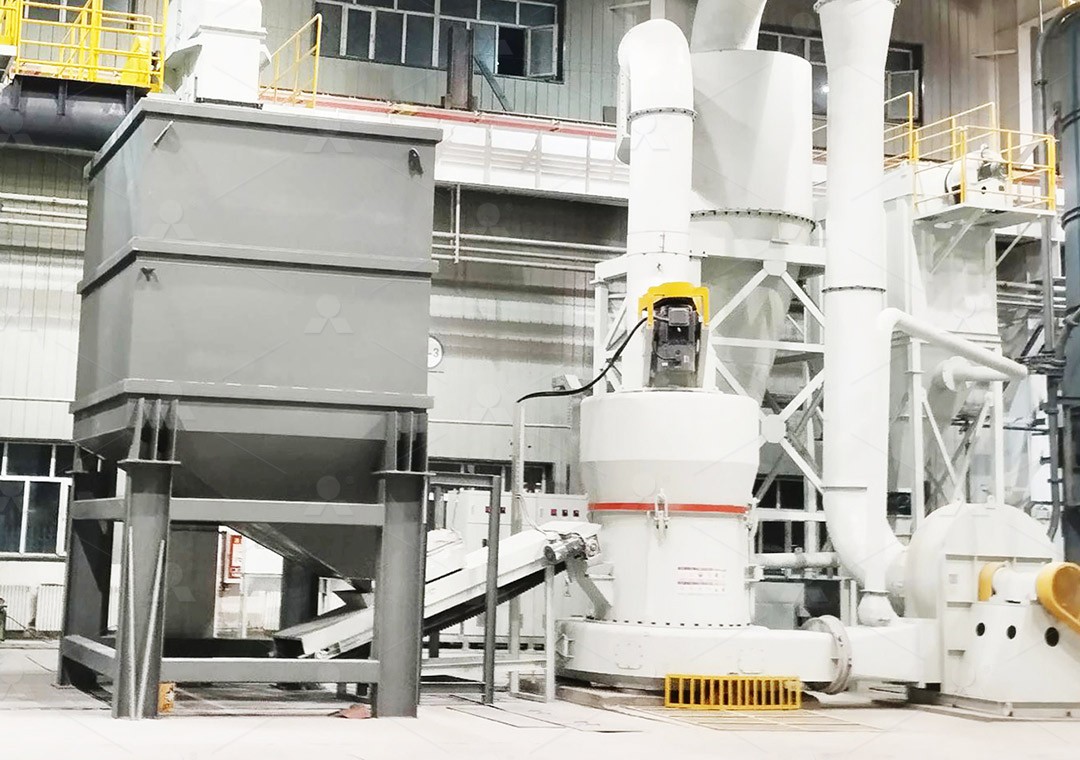
The Modern Alternative: Beyond Traditional Mills
While both ball and Raymond mills have their place, technological advancements have led to more efficient solutions. For producers seeking higher yields, superior product quality, and significantly lower operating costs for ultra-fine feldspar powder, modern vertical roller mills and ultrafine grinding mills are now the preferred choice.
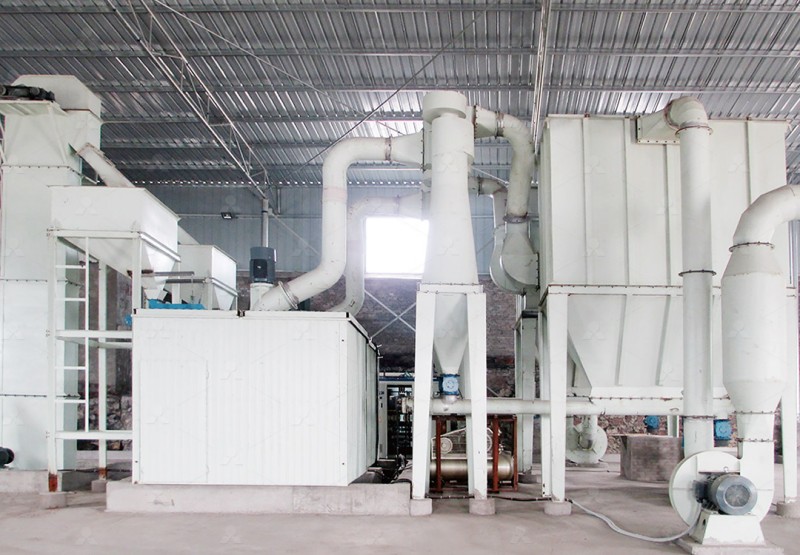
For operations focused on producing high-value ultra-fine feldspar powders, our MW Ultrafine Grinding Mill represents a technological leap forward. Engineered for customers requiring precise fineness between 325-2500 meshes, the MW Series mill boasts higher yielding and lower energy consumption. Its innovative design features a cage-type powder selector for precise classification and operates without rolling bearings or screws in the grinding chamber, drastically reducing maintenance concerns and risks of mechanical failure. Equipped with an efficient pulse dust collector and muffler, it ensures a clean, quiet, and environmentally friendly production process, making it an ideal solution for advanced applications in chemicals, paints, and cosmetics.
Conclusion
The choice between a Ball Mill and a Raymond Mill depends on specific project requirements, including desired fineness, capacity, material abrasiveness, and budget. The Ball Mill remains a versatile and reliable option for general grinding, while the Raymond Mill offers greater efficiency for dry, fine grinding applications. However, for state-of-the-art performance in ultra-fine feldspar production, advanced solutions like the MW Ultrafine Grinding Mill provide unparalleled efficiency, product quality, and environmental benefits.
Frequently Asked Questions (FAQ)
Which mill is better for producing coarse feldspar powder?
For coarser grinds, a Ball Mill is often more effective due to the direct impact force of the grinding media.
Which mill is more energy-efficient for fine powder production?
The Raymond Mill is typically more energy-efficient for producing fine powders (e.g., 100-325 mesh) due to its air-swept classification system. For ultra-fine powders beyond this range, specialized mills like the MW Ultrafine Grinding Mill are vastly superior.
How does maintenance compare between the two?
Ball Mills have simpler mechanics but can require frequent media addition and liner replacement. Raymond Mills have more complex classifier systems and experience wear on grinding rolls and rings, though modern designs like our MW Series mitigate this with external lubrication and no internal bearings.
Can both mills handle the same feed size?
Generally, both require a pre-crushed feed, typically below 20-25mm. Always consult the manufacturer’s specifications for the exact maximum feed size of a specific model.