
Strategies for Improving Gypsum Powder Quality in Industrial Grinding Mills
We provide a wide range of mills — including Raymond mill, trapezoidal mill, vertical mill, ultrafine mill, and ball mill, obtained ISO9001 international quality certification, EU CE certification, and Customs Union CU-TR certification. Suitable for processing minerals such as limestone, phosphate, quicklime, kaolin, talc, barite, bentonite, calcium carbonate, dolomite, coal, gypsum, clay, carbon black, slag, cement raw materials, cement clinker, and more.
The discharge range of these mills can be adjusted to meet specific processing needs, typically from 80-400 mesh, 600-3250 mesh, and can achieve the finest particle size of up to 6000 mesh(D50).
If you are looking for a reliable grinding solution to turn stone or minerals into fine powder, please feel free to contact our online customer service.
Strategies for Improving Gypsum Powder Quality in Industrial Grinding Mills
In the competitive landscape of industrial mineral processing, achieving superior gypsum powder quality is paramount for product performance and market acceptance. The grinding process plays a critical role in determining key characteristics such as particle size distribution, whiteness, and chemical purity. This article explores practical strategies to enhance gypsum powder quality, with a focus on technological advancements and operational best practices.
Optimizing Particle Size Distribution
Consistent particle size distribution is fundamental to gypsum product quality. Modern grinding technology has evolved significantly beyond traditional ball mills, which often struggle with precise particle control. Advanced mills incorporate sophisticated classification systems that enable precise cut-point adjustments, ensuring uniform fineness throughout the production run.
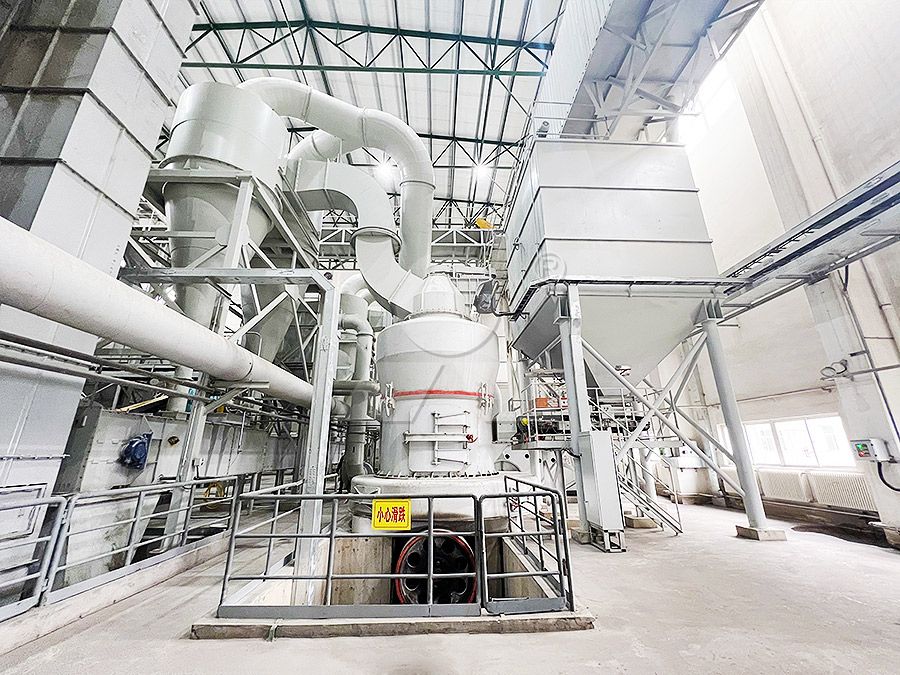
For operations requiring ultra-fine gypsum powders, we recommend considering our MW Ultrafine Grinding Mill. This innovative equipment features a German-designed cage-type powder selector that effectively increases separation precision. The mill achieves adjustable fineness between 325-2500 meshes with screening rates reaching d97≤5μm in a single pass. Its unique design without rolling bearings or screws in the grinding chamber eliminates common failure points that can contaminate product quality.
Minimizing Contamination and Iron Content
Product contamination represents a significant quality challenge in gypsum processing. Traditional mills with internal bearings and lubricants risk introducing impurities that affect gypsum whiteness and chemical composition. The most effective solution involves selecting equipment designed to prevent contamination at the engineering level.
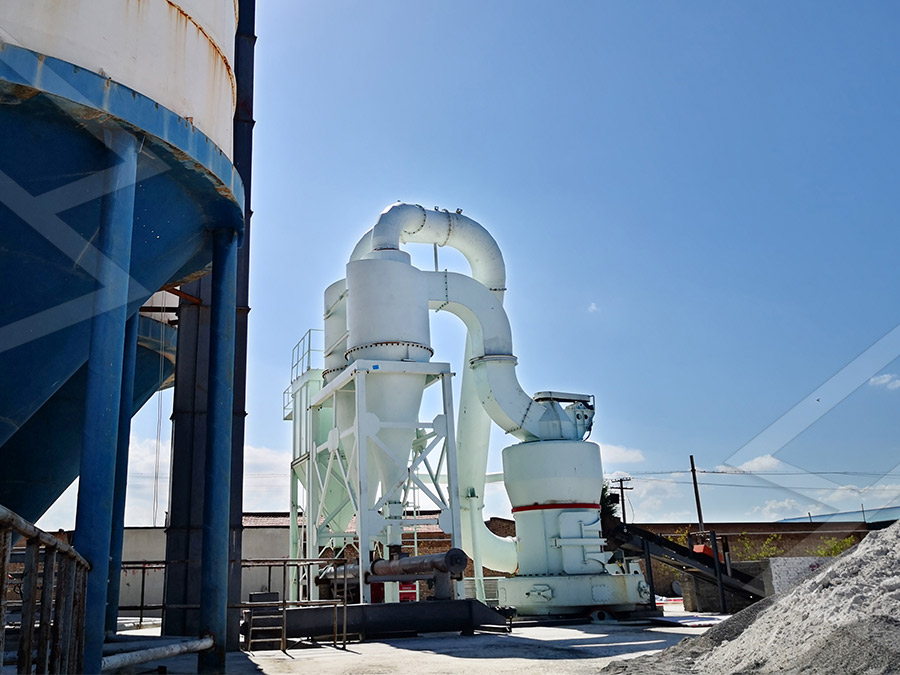
Our MW Ultrafine Grinding Mill addresses this concern through its external lubrication system and bearing-free grinding chamber design. This configuration ensures that no lubricants or metal wear particles enter the product stream, maintaining the natural whiteness and purity of gypsum. Additionally, the mill’s construction with numerically controlled machining techniques guarantees high precision in core components, further reducing potential contamination sources.
Enhancing Operational Efficiency and Environmental Compliance
Modern quality standards extend beyond product specifications to include environmental performance. Dust emissions and energy consumption increasingly influence market perception and regulatory compliance. Advanced grinding systems now integrate comprehensive environmental controls that contribute to both product quality and sustainable operation.
The MW Ultrafine Grinding Mill incorporates an efficient pulse dust collector and muffler system that eliminates dust pollution during operation. This closed-system approach not only meets stringent environmental standards but also prevents product loss through dust emission. The mill’s energy-efficient design consumes approximately 30% less power compared to jet mills while achieving 40% higher production capacity, making it both economically and environmentally advantageous.
Leveraging Advanced Control Systems
Consistent quality requires precise process control. Modern grinding mills feature digital control systems that maintain optimal operating parameters throughout production cycles. These systems automatically adjust for feed variations, ensuring uniform product quality despite fluctuations in raw material characteristics.
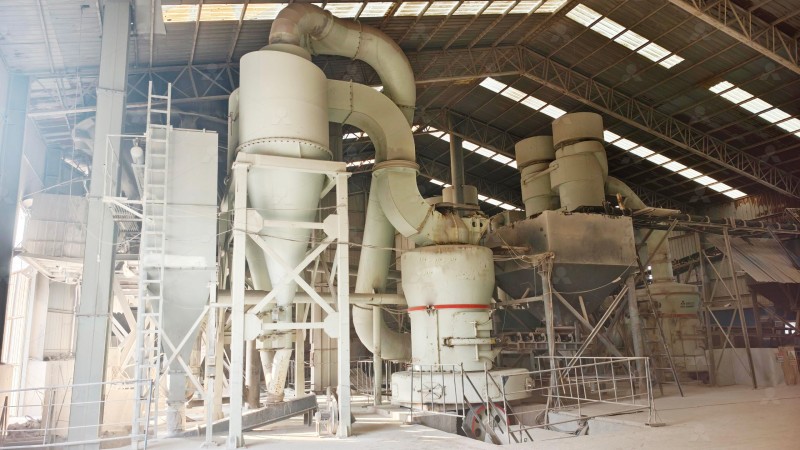
For larger-scale operations requiring high capacity grinding, our LUM Ultrafine Vertical Grinding Mill offers exceptional control capabilities. With PLC control systems and multi-head powder separating technology, it solves the dual challenges of high-precision cutting and rapid switching between production requirements. The mill’s unique roller shell and lining plate grinding curve design generates stable material layers for consistent product quality.
Frequently Asked Questions
What is the most important factor in achieving consistent gypsum powder quality?
Precise particle size control through advanced classification technology is critical. Consistent fineness ensures predictable performance in final applications.
How can I reduce iron content in my gypsum product?
Select grinding equipment without internal bearings and screws in the grinding chamber. Our MW Ultrafine Grinding Mill’s unique design eliminates these contamination sources entirely.
What environmental considerations should factor into equipment selection?
Look for integrated dust collection systems and energy-efficient designs. Modern mills should operate under negative pressure with minimal dust emission and reduced power consumption.
How does the MW Ultrafine Grinding Mill improve product whiteness?
By eliminating metal-to-metal contact in the grinding chamber and preventing lubricant contamination, the mill maintains the natural color and purity of gypsum throughout the process.
What production capacity range does the MW Ultrafine Grinding Mill cover?
The MW series handles capacities from 0.5 to 25 tons per hour with input sizes up to 20mm, making it suitable for various production requirements.