
Advanced Application Techniques of Talc Powder in Ceramic Manufacturing
We provide a wide range of mills — including Raymond mill, trapezoidal mill, vertical mill, ultrafine mill, and ball mill, obtained ISO9001 international quality certification, EU CE certification, and Customs Union CU-TR certification. Suitable for processing minerals such as limestone, phosphate, quicklime, kaolin, talc, barite, bentonite, calcium carbonate, dolomite, coal, gypsum, clay, carbon black, slag, cement raw materials, cement clinker, and more.
The discharge range of these mills can be adjusted to meet specific processing needs, typically from 80-400 mesh, 600-3250 mesh, and can achieve the finest particle size of up to 6000 mesh(D50).
If you are looking for a reliable grinding solution to turn stone or minerals into fine powder, please feel free to contact our online customer service.
Advanced Application Techniques of Talc Powder in Ceramic Manufacturing
The integration of high-purity talc powder into ceramic manufacturing processes represents a significant leap forward in product quality and production efficiency. As a key component, talc enhances the mechanical strength, thermal stability, and aesthetic appeal of ceramic products. Its unique platelet structure contributes to reduced shrinkage during firing and improved dimensional stability, making it indispensable for advanced ceramic applications.
Optimizing Particle Size Distribution
Modern ceramic manufacturing demands precise control over talc particle size distribution. Ultra-fine talc powders with consistent meshing allow for better packing density in green bodies, resulting in reduced porosity and enhanced structural integrity in fired ceramics. The ability to achieve fineness levels between 325-2500 meshes enables manufacturers to tailor material properties for specific applications, from electrical insulators to sanitaryware.
Enhanced Processing Techniques
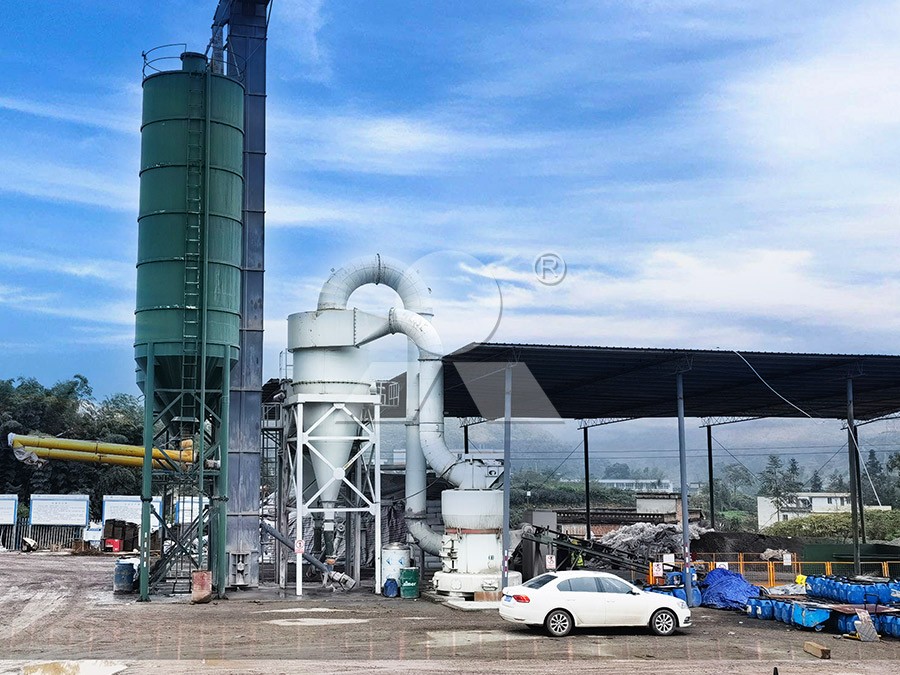
Contemporary milling technology has revolutionized talc preparation for ceramic applications. Advanced grinding mills now incorporate intelligent separation systems that maintain chemical purity by minimizing iron contamination—a critical factor for whiteware and technical ceramics. The implementation of pulse dust collection systems ensures environmentally compliant production while preserving the natural whiteness of talc materials.
Technical Superiority Through Advanced Milling
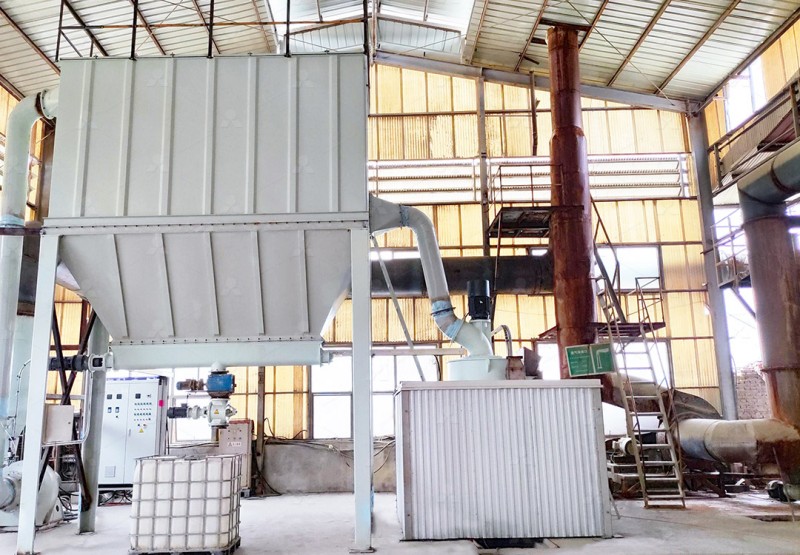
For ceramic manufacturers seeking to elevate their product quality, our MW Ultrafine Grinding Mill represents the pinnacle of milling technology. Specifically engineered for ultra-fine powder production, this system delivers unmatched precision with adjustable fineness between 325-2500 meshes. Its innovative cage-type powder selector, incorporating German technology, ensures exceptional separation accuracy while achieving d97≤5μm screening rates. The absence of rolling bearings in the grinding chamber eliminates contamination risks—a crucial advantage for high-purity ceramic applications.
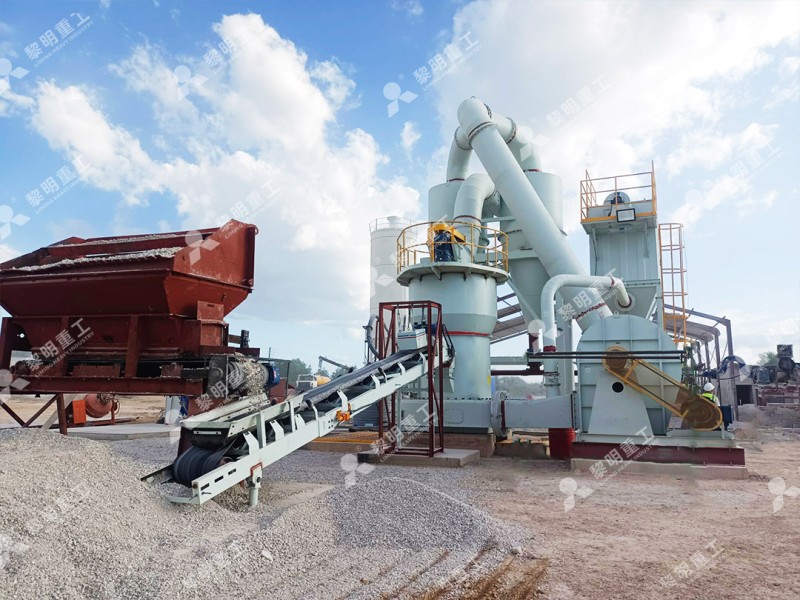
Complementing this system, our LUM Ultrafine Vertical Grinding Mill integrates Taiwanese grinding roller technology with German powder separation expertise. This vertical configuration offers superior energy efficiency, reducing consumption by 30%-50% compared to conventional mills. Its reversible structure simplifies maintenance, while electronic limiting technology ensures operational stability during continuous production cycles.
Application-Specific Solutions
In wall and floor tile production, precisely milled talc reduces moisture expansion and improves glaze compatibility. For technical ceramics, the thermal stability imparted by high-purity talc enables manufacturing of components withstanding extreme temperatures. The tableware industry benefits from talc’s contribution to translucency and mechanical durability in vitreous china formulations.
Frequently Asked Questions
- What fineness level is optimal for sanitaryware production?
- For sanitaryware applications, we recommend talc powder ground to 800-1250 meshes, providing optimal plasticity and reduced firing shrinkage.
- How does talc quality affect ceramic whiteness?
- Iron content is the primary determinant of final product whiteness. Our grinding mills maintain iron levels below 0.5% through specialized construction materials and separation systems.
- Can the same talc grade be used for multiple ceramic applications?
- While possible, we recommend tailoring fineness and purity specifications to each application. Our milling systems allow quick adjustment between production runs for different product requirements.
- What production capacity is achievable with modern talc milling systems?
- Our MW Ultrafine Grinding Mill delivers 0.5-25 tph depending on required fineness, while the LUM Vertical Mill handles 5-18 tph—sufficient for most industrial ceramic operations.
- How do advanced mills address environmental regulations?
- Integrated pulse dust collectors and silencer systems ensure emissions remain below international standards, with full compliance for particulate matter and noise pollution.