
Optimizing Cement Mill Performance: A Practical Notebook for Cement Industry Professionals
We provide a wide range of mills — including Raymond mill, trapezoidal mill, vertical mill, ultrafine mill, and ball mill, obtained ISO9001 international quality certification, EU CE certification, and Customs Union CU-TR certification. Suitable for processing minerals such as limestone, phosphate, quicklime, kaolin, talc, barite, bentonite, calcium carbonate, dolomite, coal, gypsum, clay, carbon black, slag, cement raw materials, cement clinker, and more.
The discharge range of these mills can be adjusted to meet specific processing needs, typically from 80-400 mesh, 600-3250 mesh, and can achieve the finest particle size of up to 6000 mesh(D50).
If you are looking for a reliable grinding solution to turn stone or minerals into fine powder, please feel free to contact our online customer service.
Optimizing Cement Mill Performance: A Practical Notebook
For cement industry professionals, achieving peak mill performance is a continuous pursuit of efficiency, reliability, and product quality. The grinding circuit is often the heart of the operation, a complex system where small adjustments can yield significant gains in throughput, energy consumption, and final product characteristics. This practical guide outlines key considerations and modern solutions for optimizing this critical process.
The Core Challenge: Balancing Fineness, Output, and Power Draw
The primary goal is to reduce clinker and other additives to the precise fineness required for cement hydration and strength development. However, this must be achieved without incurring excessive energy costs or sacrificing mill availability due to mechanical wear or maintenance downtime. Traditional ball mills, while robust, are notoriously energy-intensive, with a significant portion of that energy lost as heat and noise rather than utilized in particle size reduction.
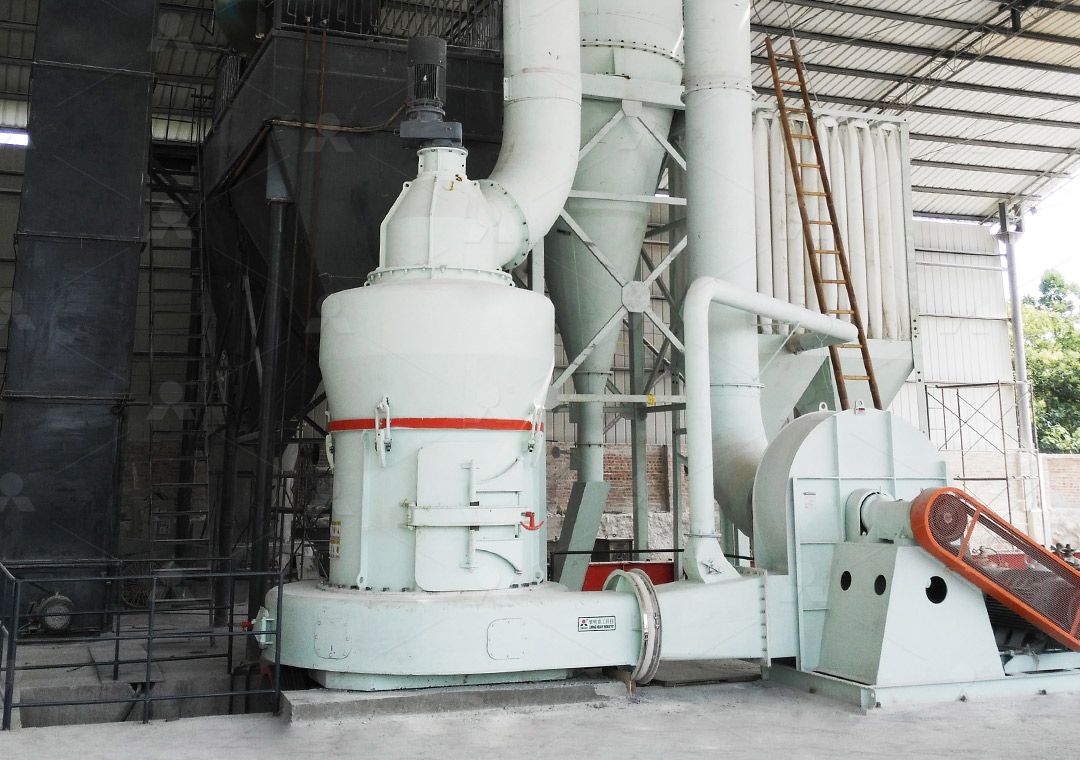
Modern grinding technology has shifted towards vertical and ultra-fine mills that offer a more efficient grinding mechanism. The key is to create a stable, material bed where inter-particle comminution occurs, which is far more efficient than the impact and attrition methods dominant in ball mills. This approach directly translates to lower specific energy consumption (kWh/t) for the same or even higher output.
Embracing Advanced Mill Technology
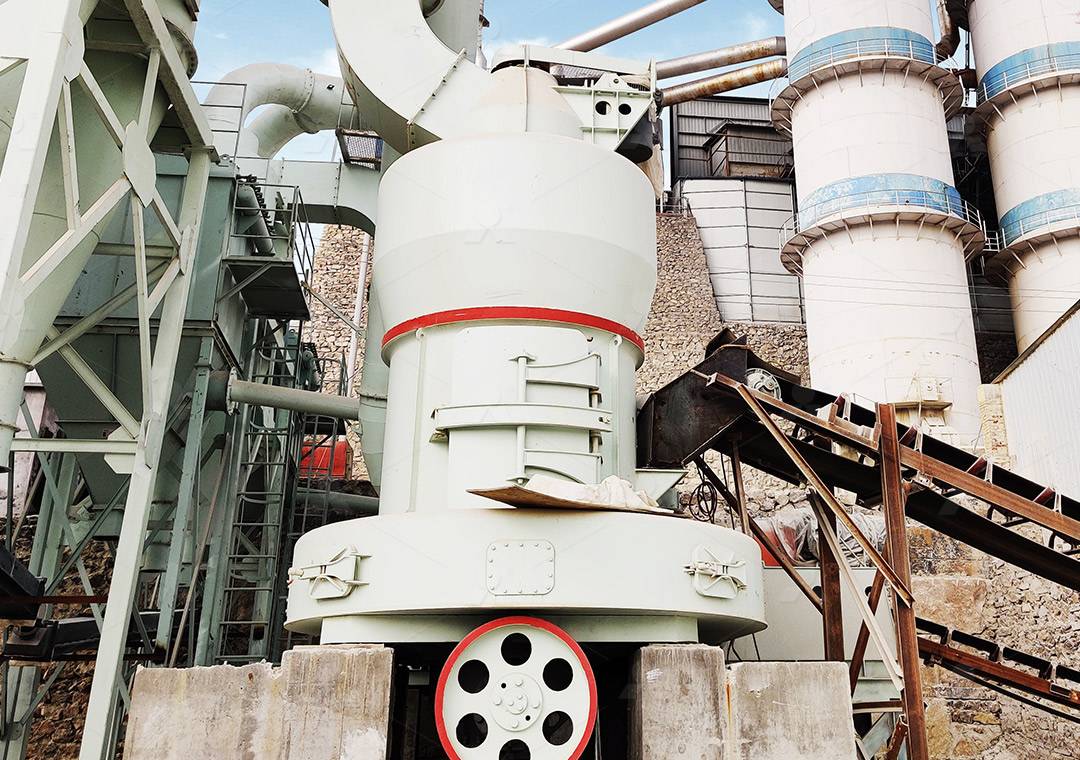
For operations requiring ultra-fine powders or looking to maximize efficiency on a smaller footprint, advanced grinding systems are the answer. A standout solution in this category is our MW Ultrafine Grinding Mill. Engineered for customers who need to produce high-quality ultra-fine powder, this mill is designed for higher yield and lower energy consumption.
Its newly designed grinding curves of the roller and ring enhance efficiency dramatically. Operational data shows its production capacity is 40% higher than that of jet mills or stirred mills at the same fineness and power, with system energy consumption being only 30% of a comparable jet mill. Furthermore, its cage-type powder selector, incorporating German technology, allows precise fineness adjustment between 325-2500 meshes, achieving a precise d97≤5μm in a single pass. A significant maintenance advantage is the absence of rolling bearings and screws in the grinding chamber, eliminating common failure points and enabling external lubrication without shutdown for true 24/7 operation.
System Integration and Environmental Compliance
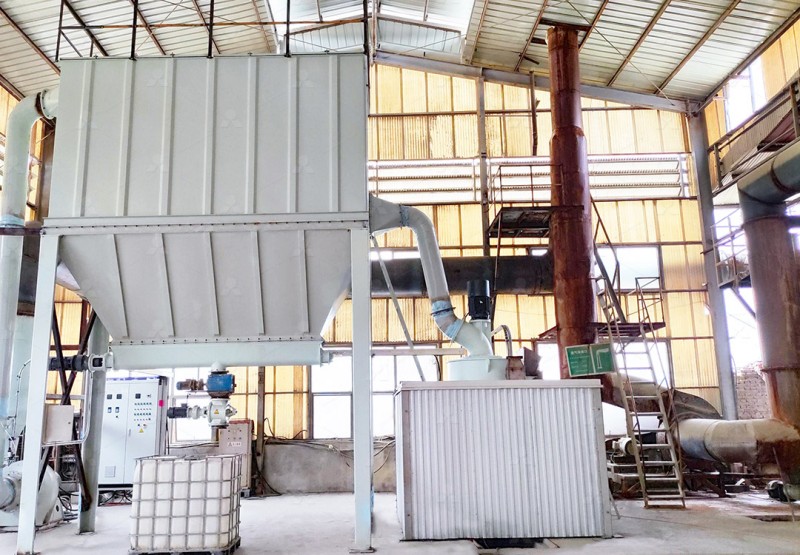
Optimization doesn’t stop at the mill itself. A well-designed grinding circuit integrates efficient feeding, classification, and dust collection. Modern mills are equipped with high-efficiency pulse dust collectors and sophisticated mufflers, ensuring that the entire production process meets stringent national environmental standards for dust and noise pollution. This integrated approach ensures that gains in mill efficiency are not offset by ancillary system losses or environmental non-compliance.
Conclusion: A Data-Driven Approach
Ultimately, optimizing cement mill performance is a data-driven endeavor. Regularly monitoring key parameters like motor load, internal pressure, temperature, and product fineness provides the insights needed for fine-tuning. Partnering with technology providers who offer not just equipment but comprehensive technical support and genuine spare parts is crucial for sustaining peak performance and achieving worry-free operation over the long term.
Frequently Asked Questions (FAQ)
What is the single biggest factor affecting cement mill energy consumption?
The grinding mechanism itself. Traditional ball mills are inefficient, converting most energy into heat. Modern vertical roller mills and ultra-fine mills utilizing material-bed technology are far more efficient, directly using energy for particle size reduction.
How can I improve the fineness of my cement without sacrificing mill throughput?
This often requires optimizing the classifier settings and ensuring the grinding elements are in good condition. Advanced mills like the MW Ultrafine Grinding Mill with their high-precision cage-type powder selectors are specifically designed to achieve precise, adjustable fineness without a significant throughput penalty.
What are the main advantages of a mill with no rolling bearings in the grinding chamber?
It dramatically improves reliability and reduces maintenance downtime. It removes the risk of bearing seizure or failure due to dust ingress, a common problem in harsh grinding environments, and allows for external lubrication, enabling continuous 24-hour operation.
How important is dust collection for mill performance?
It is critical for both environmental compliance and operational efficiency. A poor dust collection system can lead to product loss, equipment wear, and potential health hazards. Integrated pulse jet dust collectors are essential for a clean, efficient, and eco-friendly operation.