
What is the Purpose of Hydraulic Lift for Ball Mill Trunnion Bearings?
We provide a wide range of mills — including Raymond mill, trapezoidal mill, vertical mill, ultrafine mill, and ball mill, obtained ISO9001 international quality certification, EU CE certification, and Customs Union CU-TR certification. Suitable for processing minerals such as limestone, phosphate, quicklime, kaolin, talc, barite, bentonite, calcium carbonate, dolomite, coal, gypsum, clay, carbon black, slag, cement raw materials, cement clinker, and more.
The discharge range of these mills can be adjusted to meet specific processing needs, typically from 80-400 mesh, 600-3250 mesh, and can achieve the finest particle size of up to 6000 mesh(D50).
If you are looking for a reliable grinding solution to turn stone or minerals into fine powder, please feel free to contact our online customer service.
What is the Purpose of Hydraulic Lift for Ball Mill Trunnion Bearings?
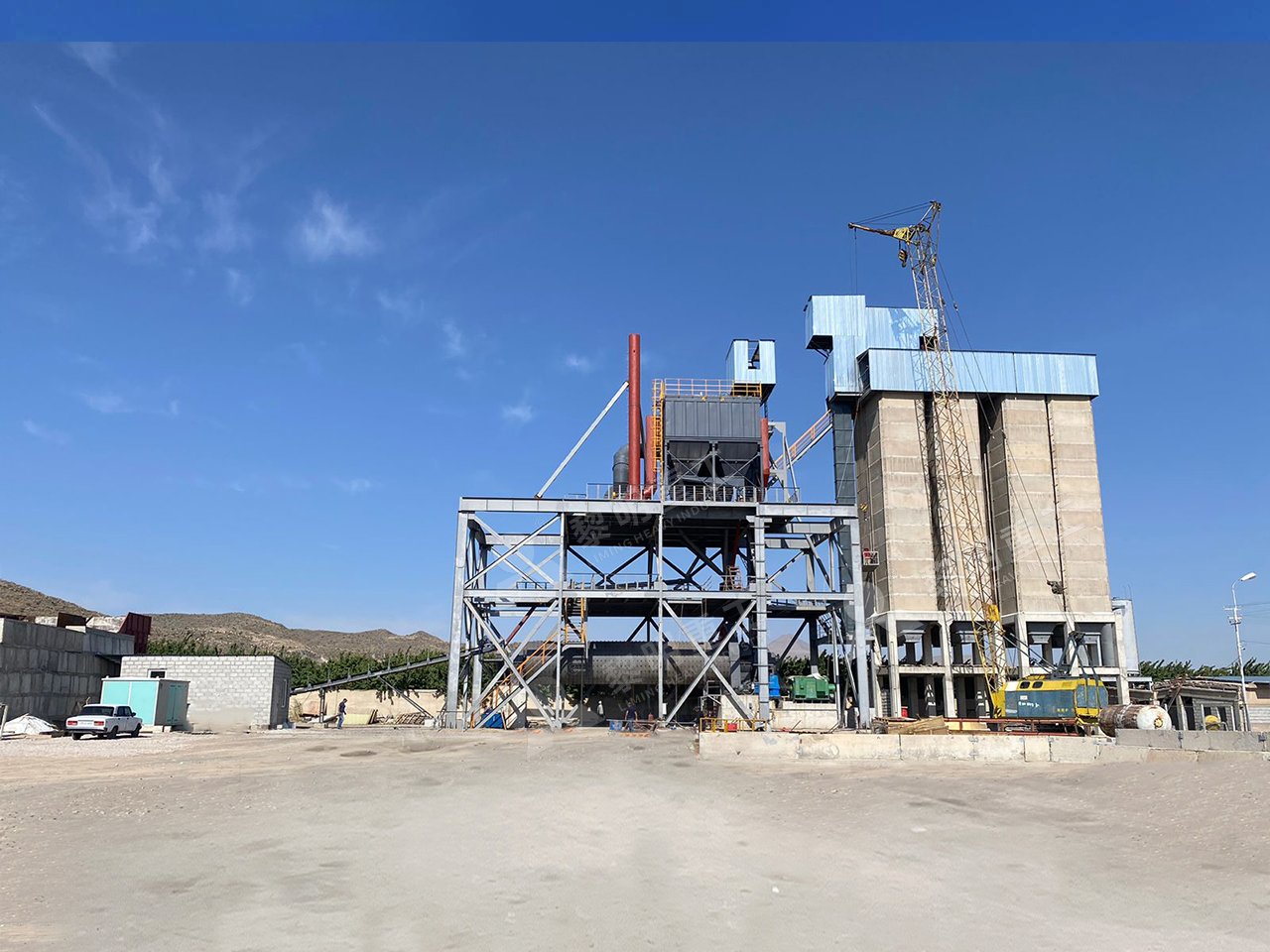
In the demanding world of mineral processing and grinding operations, the ball mill stands as a cornerstone piece of equipment. Its reliable operation is paramount to plant productivity. A critical, yet often overlooked, component that ensures this reliability is the hydraulic lift system for the trunnion bearings. This system is not merely an accessory; it is a fundamental engineering solution designed to address the immense challenges of starting a mill under a full load of material and grinding media.
The Core Challenge: Overcoming Static Friction
Imagine the sheer mass of a ball mill—a massive rotating drum filled with hundreds of tons of steel balls and raw material. When at a standstill, the weight of this entire charge rests directly on the trunnion bearings and the mill shell. The static friction (or stiction) between the stationary bearing surface and the rotating journal is enormous. Attempting to start the main drive motor against this friction places an extreme, often catastrophic, strain on the motor, gearbox, pinion, and girth gear. This can lead to:
- Motor burnout and electrical system failures.
- Damage to gear teeth and premature wear.
- Shearing of bolts or other mechanical components.
- Prolonged downtime and expensive repairs.
How the Hydraulic Lift System Provides the Solution
The hydraulic lift system, often called a hydrostatic lift or jacking system, elegantly solves this problem. Its primary purpose is to elevate the entire mill slightly, creating a thin, high-pressure film of oil between the trunnion journal and the bearing surface before rotation begins.
Here’s how it works:
- Pre-Start Lubrication: A high-pressure pump unit forces specialized lubrication oil into precisely machined pockets on the bearing surface.
- Lifting the Mill: The pressurized oil film physically lifts the trunnion journal, separating the metal-to-metal contact and effectively ‘floating’ the mill on a cushion of oil.
- Reduced Starting Torque: With friction virtually eliminated, the main drive motor can start the mill rotating with a fraction of the torque normally required.
- Seamless Transition: Once the mill reaches a low, stable rotational speed, the main, low-pressure lubrication system takes over, and the high-pressure lift system disengages.
Key Benefits Beyond Just Starting
While the primary role is to assist startup, a hydraulic lift system offers significant secondary benefits that enhance overall mill health and longevity:
- Bearing Protection: It prevents the damaging metal-to-metal contact that causes scoring, pitting, and premature bearing failure.
- Extended Bearing Life: By ensuring perfect lubrication from the very first movement, wear is dramatically reduced.
- Emergency Support: In the event of a power failure, the system can be used to slowly bar the mill over for maintenance or to prevent mill sag from causing permanent damage.
A Modern Alternative: Eliminating the Need with Advanced Mill Design
While hydraulic lift systems are a brilliant solution for traditional ball mills, modern grinding technology has evolved to eliminate many of these mechanical complexities altogether. For operations seeking to avoid the maintenance and potential failure points of trunnion bearings and their ancillary systems, advanced vertical grinding mills present a superior alternative.
Our LUM Ultrafine Vertical Grinding Mill is a prime example of this next-generation engineering. It completely eliminates the need for large, high-maintenance trunnion bearings. Its design integrates grinding, drying, classifying, and conveying in a single, compact unit. Key features that make it an excellent choice include:
- Higher Yielding Rate & Better Quality: Unique roller and lining plate design generates a stable material layer for efficient grinding and high-quality product.
- More Energy-Saving: Multi-head powder separating technology and PLC control reduce energy consumption by 30%-50% compared to traditional mills.
- Double Position-Limiting Technology: Ensures operational stability and prevents destructive vibration and impact.
- Easier Maintenance: A reversible structure allows grinding rollers to be easily swung out for inspection and maintenance, drastically reducing downtime.
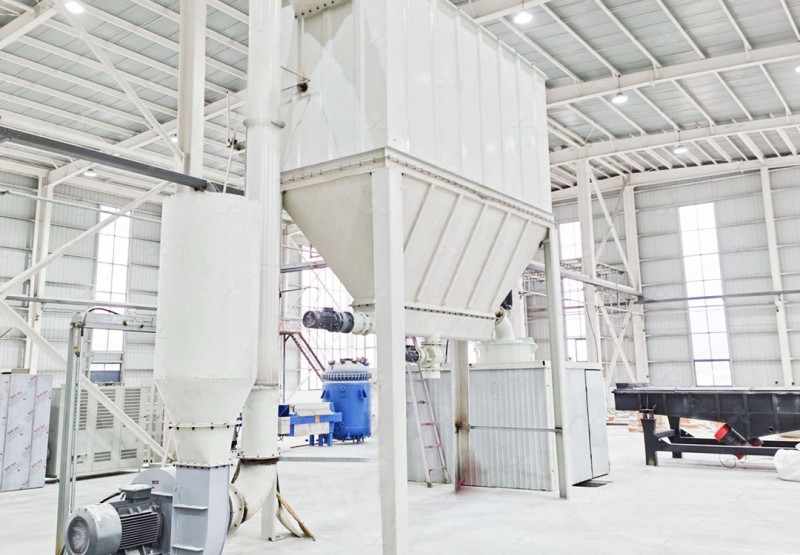
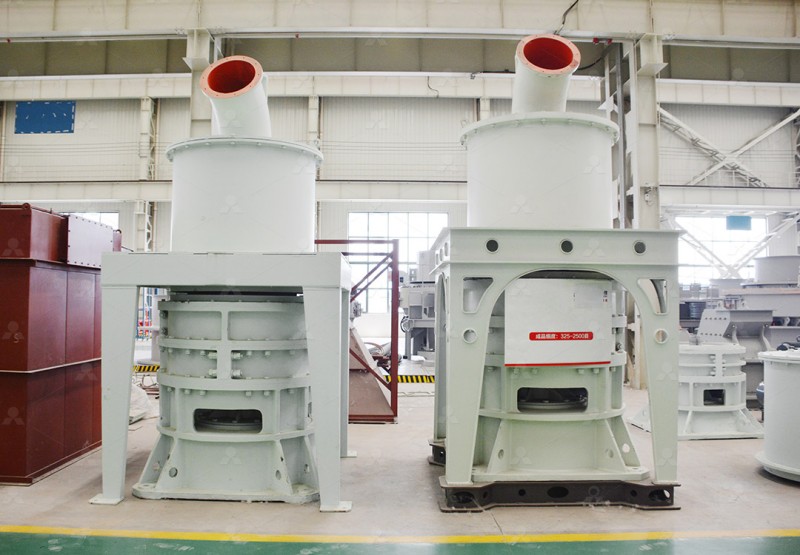
For ultra-fine powder production, our MW Ultrafine Grinding Mill is another standout performer. It is specifically designed for customers requiring ultra-fine powder between 325-2500 meshes. Its notable advantages are:
- No Rolling Bearings or Screws in Grinding Chamber: This revolutionary design removes the worry of bearing or seal failure inside the chamber, a common point of failure in other designs.
- Higher Yielding, Lower Energy Consumption: Offers production capacity 40% higher than jet mills and double that of ball mills with significantly lower system energy consumption.
- Eco-friendly Operation: Equipped with an efficient pulse dust collector and muffler for dust-free and low-noise operation.
Conclusion
The hydraulic lift for ball mill trunnion bearings serves the vital purpose of enabling safe startup under load, protecting critical mechanical components, and extending equipment life. It is a testament to innovative mechanical engineering. However, for new projects or plant upgrades, considering modern vertical mill technology like our LUM or MW series can provide a more reliable, efficient, and lower-maintenance grinding solution, ultimately moving your operation beyond the challenges associated with traditional trunnion bearings.
Frequently Asked Questions (FAQ)
What happens if the hydraulic lift system fails on a ball mill?
Failure can lead to an inability to start the mill, potential damage to the main drive motor from overcurrent, and severe scoring of the trunnion bearing surfaces due to metal-to-metal contact during startup attempts.
How often should the hydraulic lift system be operated?
It should be used for every startup of the ball mill. It is also good practice to engage the system periodically (e.g., during weekly checks) without starting the mill to ensure the bearings are coated with oil and the system remains functional.
Can a ball mill operate without a functioning hydraulic lift system?
It is highly discouraged. While a very small mill might start, for large mills it is practically impossible and attempting to do so poses a severe risk of catastrophic mechanical and electrical damage.
What are the main advantages of vertical roller mills over traditional ball mills?
Vertical roller mills (VRMs) like the LUM and MW series offer significantly higher energy efficiency (30-50% less power consumption), a smaller physical footprint, integrated drying and grinding, and simpler maintenance as they eliminate complex systems like trunnion bearings and hydraulic lifts.