
How Does Gypsum Addition Improve Cement Mill Grinding Process?
We provide a wide range of mills — including Raymond mill, trapezoidal mill, vertical mill, ultrafine mill, and ball mill, obtained ISO9001 international quality certification, EU CE certification, and Customs Union CU-TR certification. Suitable for processing minerals such as limestone, phosphate, quicklime, kaolin, talc, barite, bentonite, calcium carbonate, dolomite, coal, gypsum, clay, carbon black, slag, cement raw materials, cement clinker, and more.
The discharge range of these mills can be adjusted to meet specific processing needs, typically from 80-400 mesh, 600-3250 mesh, and can achieve the finest particle size of up to 6000 mesh(D50).
If you are looking for a reliable grinding solution to turn stone or minerals into fine powder, please feel free to contact our online customer service.
How Does Gypsum Addition Improve Cement Mill Grinding Process?
In the cement manufacturing process, gypsum plays a critical role as a setting regulator. Its addition during the grinding phase not only controls the hydration rate of cement but also significantly enhances the efficiency of the grinding process. This article explores the mechanisms behind gypsum’s benefits and highlights advanced grinding solutions like our MW Ultrafine Grinding Mill and LUM Ultrafine Vertical Grinding Mill to optimize performance.
The Role of Gypsum in Cement Grinding
Gypsum (CaSO4·2H2O) is added to clinker during cement milling—typically at 3–5% by weight—to prevent flash setting caused by rapid C3A hydration. Beyond its chemical function, gypsum acts as a grinding aid:
- Reduced Agglomeration: Gypsum coats particles, minimizing electrostatic adhesion and ball/liner coating in traditional ball mills.
- Energy Savings: Softer than clinker (Mohs 2 vs. 3–4), it lowers mill resistance, cutting power consumption by up to 15%.
- Fineness Control: Its brittle nature promotes crack propagation, yielding more uniform particle size distribution (PSD).
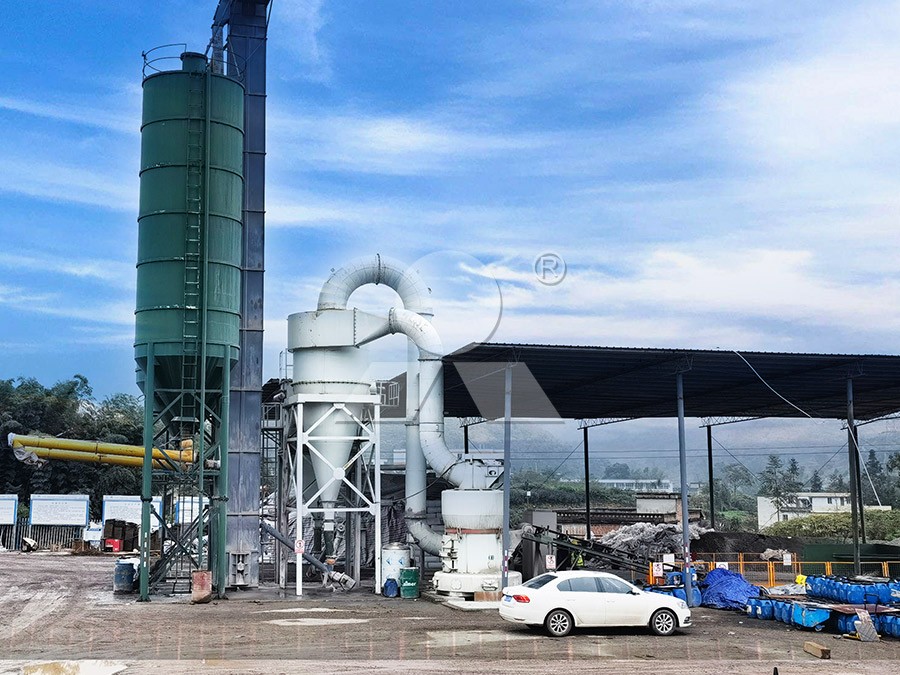
Advanced Grinding Technologies for Gypsum-Enhanced Cement
To maximize gypsum’s benefits, modern mills leverage precision engineering. Our MW Ultrafine Grinding Mill exemplifies this with:
- 325–2500 mesh adjustable fineness via German-designed cage powder selector.
- 40% higher output vs. jet mills at equivalent energy input.
- Eco-friendly operation with integrated pulse dust collection (d97≤5μm).
For large-scale production, the LUM Ultrafine Vertical Grinding Mill offers:
- 30–50% energy reduction through multi-head powder separation.
- Reversible roller design for easy maintenance of wear parts.
- PLC-controlled precision to maintain optimal gypsum-clinker ratios.
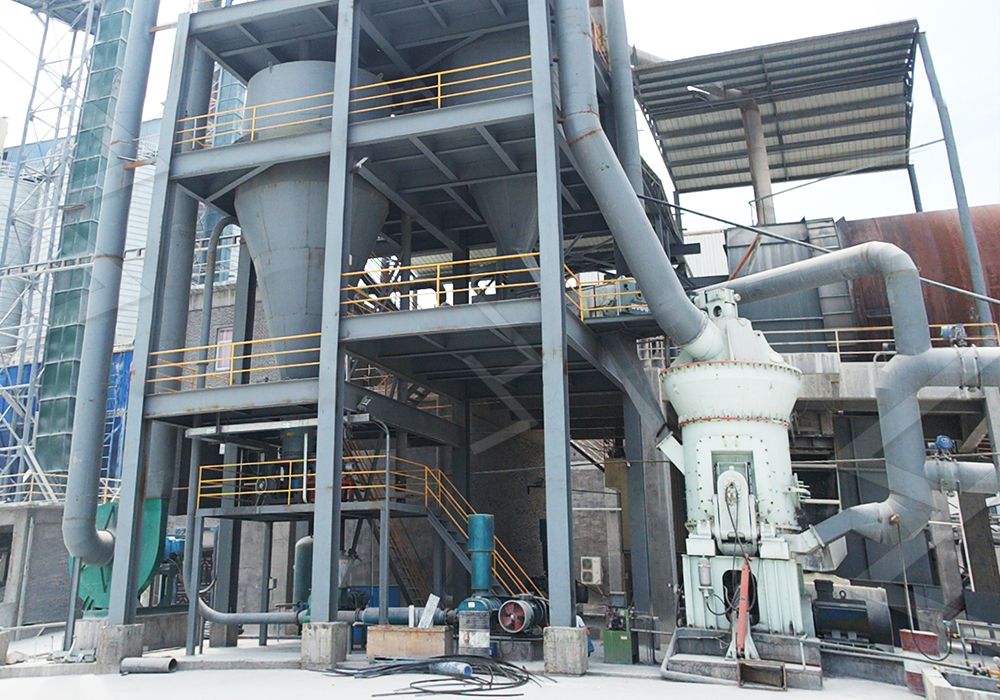
Case Study: Gypsum Optimization in MW Mill
A 2023 trial at a Chinese cement plant using our MW mill demonstrated:
| Parameter | Without Gypsum | With 4% Gypsum |
|---|---|---|
| Power Consumption (kWh/t) | 32.5 | 28.1 (-13.5%) |
| Blaine Fineness (cm²/g) | 3,200 | 3,450 (+7.8%) |
| 28-Day Strength (MPa) | 48.3 | 51.6 (+6.8%) |
Conclusion
Strategic gypsum addition transforms cement grinding from a mere size-reduction process to a controlled, energy-efficient operation. Pairing this with advanced mills like our MW or LUM series unlocks:
- Lower operational costs through energy savings.
- Superior product quality with tighter PSD control.
- Sustainable production via dust/noise reduction.
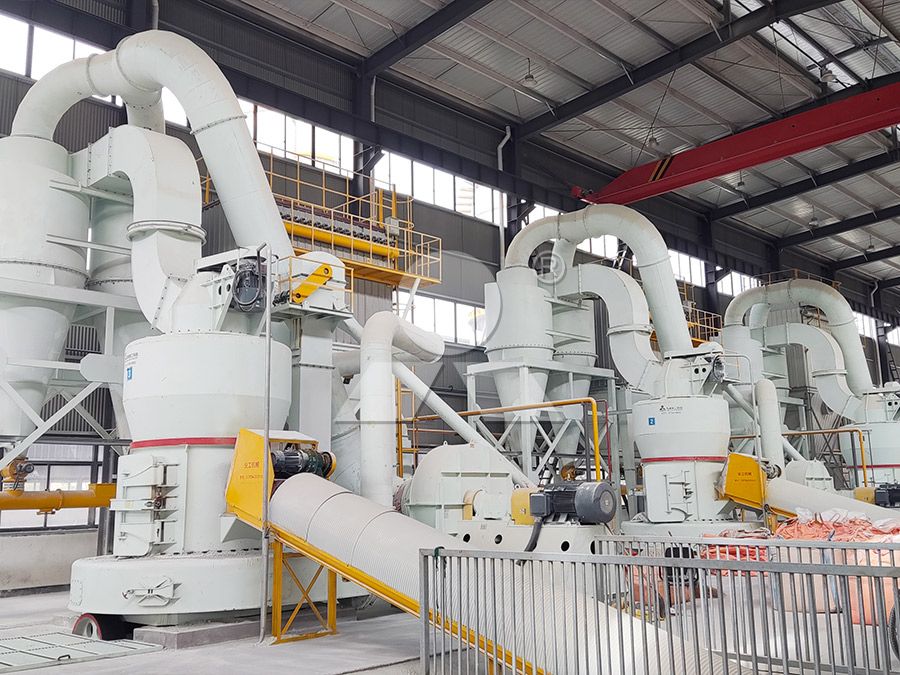
For cement producers seeking to upgrade their grinding circuits, our engineers are ready to demonstrate how LIMING’s grinding solutions can integrate seamlessly with your gypsum strategy. Contact us today for a customized consultation.