
Calcite Grinding Mill Plant: How to Choose the Right Milling Machine
We provide a wide range of mills — including Raymond mill, trapezoidal mill, vertical mill, ultrafine mill, and ball mill, obtained ISO9001 international quality certification, EU CE certification, and Customs Union CU-TR certification. Suitable for processing minerals such as limestone, phosphate, quicklime, kaolin, talc, barite, bentonite, calcium carbonate, dolomite, coal, gypsum, clay, carbon black, slag, cement raw materials, cement clinker, and more.
The discharge range of these mills can be adjusted to meet specific processing needs, typically from 80-400 mesh, 600-3250 mesh, and can achieve the finest particle size of up to 6000 mesh(D50).
If you are looking for a reliable grinding solution to turn stone or minerals into fine powder, please feel free to contact our online customer service.
Calcite Grinding Mill Plant: How to Choose the Right Milling Machine
Selecting the optimal grinding mill for your calcite processing plant is a critical decision that impacts productivity, product quality, and operational costs. With various technologies available, understanding the key factors and matching them to your specific requirements is paramount for a successful operation.
Key Considerations for Machine Selection
The ideal milling machine is not a one-size-fits-all solution. Your choice should be guided by several core parameters:
- Desired Fineness (Mesh Size): Determine the target particle size distribution for your final product. Requirements can range from coarse powders to ultra-fine sub-micron levels.
- Required Production Capacity (TPH): Evaluate your current and future throughput needs to ensure the machine can handle your volume.
- Raw Material Characteristics: Analyze the input size, hardness, moisture content, and abrasiveness of your calcite feed.
- Energy Consumption: Consider the long-term operating costs, as grinding can be an energy-intensive process.
- Environmental and Noise Regulations: Ensure the equipment meets local standards for dust emissions and noise pollution.
- Operation and Maintenance: Assess the complexity of daily operation, availability of spare parts, and ease of maintenance.
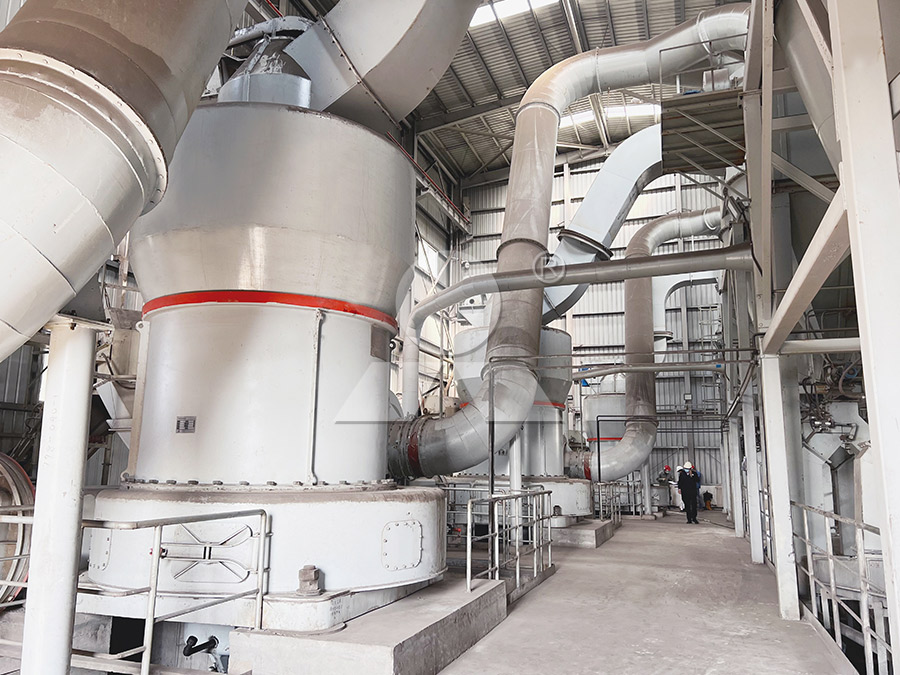
Recommended Solutions for Calcite Grinding
Based on the common needs of calcite processors, two of our flagship models stand out for their efficiency, reliability, and advanced technology.
1. MW Ultrafine Grinding Mill: For Superior Fine Powder Production
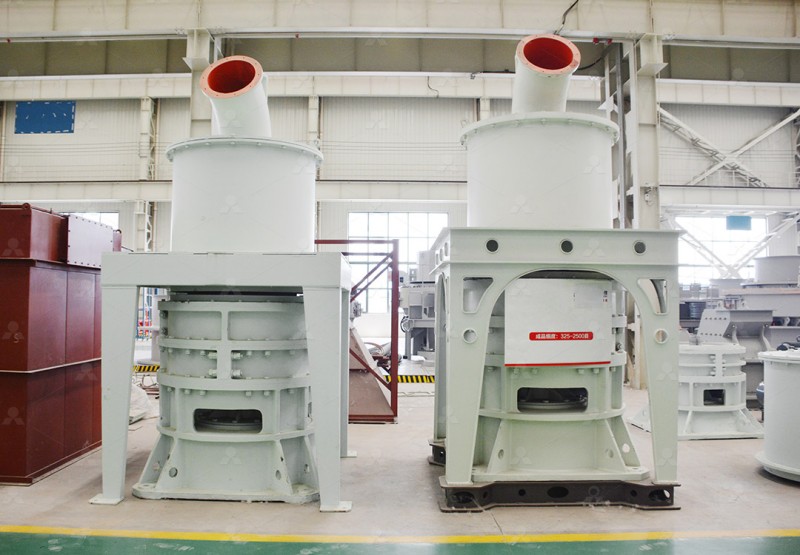
For operations requiring ultra-fine calcite powder between 325-2500 meshes, the MW Ultrafine Grinding Mill is an exceptional choice. It is engineered for customers dedicated to producing high-purity, ultra-fine powders. With an input size of 0-20 mm and a capacity range of 0.5-25 tph, it offers remarkable flexibility.
Its standout feature is the German-technology, cage-type powder selector, which ensures precise separation and allows for exact fineness adjustment. Furthermore, the innovative design eliminates rolling bearings and screws within the grinding chamber, drastically reducing the risk of mechanical failure and enabling external lubrication without shutdowns for continuous 24/7 production. Coupled with an efficient pulse dust collector and muffler, it operates with minimal environmental impact.
2. LUM Ultrafine Vertical Grinding Mill: For High Efficiency and Stability
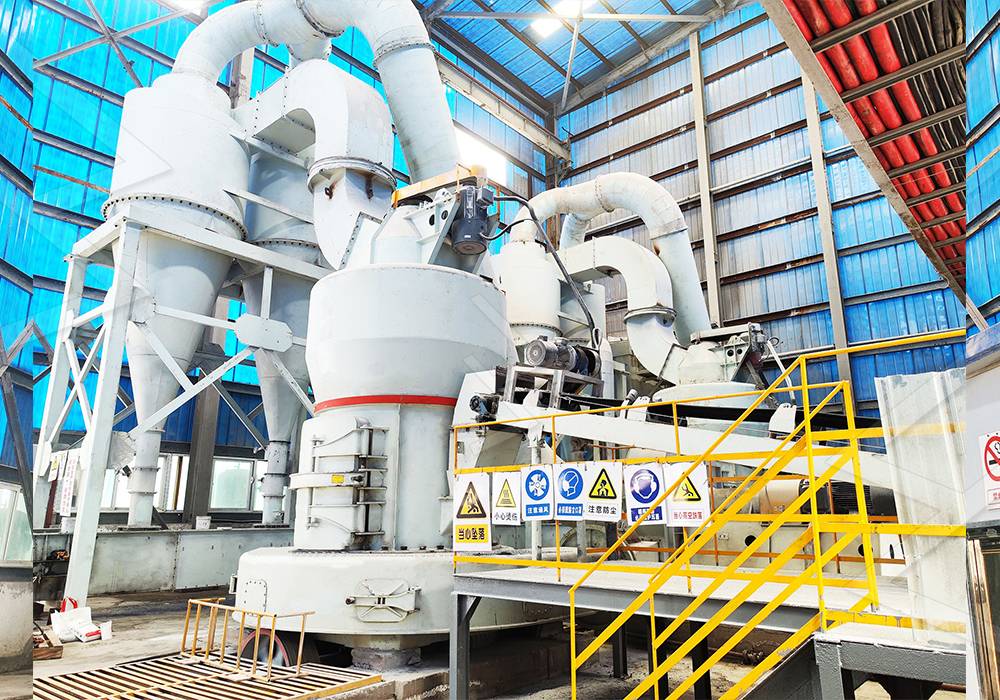
The LUM Ultrafine Vertical Grinding Mill is another top-tier option, integrating the latest grinding roller and powder separating technologies. It is ideal for producing superfine dry powder with higher yields and better quality. Its unique roller shell and lining plate grinding curve generate a stable material layer, enabling a high rate of finished product in a single pass, which enhances whiteness and cleanliness.
A key advantage is its more energy-saving multi-head powder separating technology, which can reduce energy consumption by 30%-50% compared to common grinding mills. For operational safety, its double position-limiting technology protects the mill from destructive vibrations, ensuring remarkable stability. The reversible structure is a maintenance breakthrough, allowing grinding rollers to be easily moved out for inspection and part replacement, significantly reducing downtime.
Making the Final Decision
Ultimately, the best mill aligns with your specific production goals, budget, and site conditions. We recommend consulting with our technical experts to review your application details. We can provide test milling services and detailed plant layout proposals to ensure you invest in a solution that delivers maximum return on investment and positions your operation for long-term growth.
Frequently Asked Questions (FAQ)
- What is the main difference between the MW and LUM mills?
The MW Series is specifically designed for making ultra-fine powder with superior precision in fineness control. The LUM Series, a vertical roller mill, excels in higher efficiency, energy savings, and easier maintenance for high-volume production of superfine powders. - Can these mills handle materials other than calcite?
Yes. Both the MW and LUM mills are highly versatile and can process a wide range of non-metallic minerals with similar hardness, including dolomite, limestone, talc, barite, and gypsum. - How do you control dust and noise during operation?
Our mills are equipped with integrated efficient pulse dust collectors and mufflers. The entire milling system is sealed and operates under negative pressure, effectively containing dust. Silencers and noise elimination rooms are configured to keep operations compliant with environmental standards. - What kind of after-sales support and spare parts availability can we expect?
As a manufacturer responsible for both production and sales, we guarantee the supply of original spare parts and provide comprehensive technical support to ensure worry-free, continuous operation of your plant.