
Calcite Grinding Mill Plant Machine: How to Choose the Best Grinder for Your Needs
We provide a wide range of mills — including Raymond mill, trapezoidal mill, vertical mill, ultrafine mill, and ball mill, obtained ISO9001 international quality certification, EU CE certification, and Customs Union CU-TR certification. Suitable for processing minerals such as limestone, phosphate, quicklime, kaolin, talc, barite, bentonite, calcium carbonate, dolomite, coal, gypsum, clay, carbon black, slag, cement raw materials, cement clinker, and more.
The discharge range of these mills can be adjusted to meet specific processing needs, typically from 80-400 mesh, 600-3250 mesh, and can achieve the finest particle size of up to 6000 mesh(D50).
If you are looking for a reliable grinding solution to turn stone or minerals into fine powder, please feel free to contact our online customer service.
Navigating the World of Calcite Grinding
Selecting the right grinding mill for your calcite processing operation is a critical decision that impacts your productivity, product quality, and bottom line. With various technologies available, from traditional ball mills to advanced ultrafine systems, understanding the key differences is paramount. This guide will walk you through the essential considerations to ensure you invest in equipment that perfectly aligns with your production goals and material specifications.
Key Factors to Consider
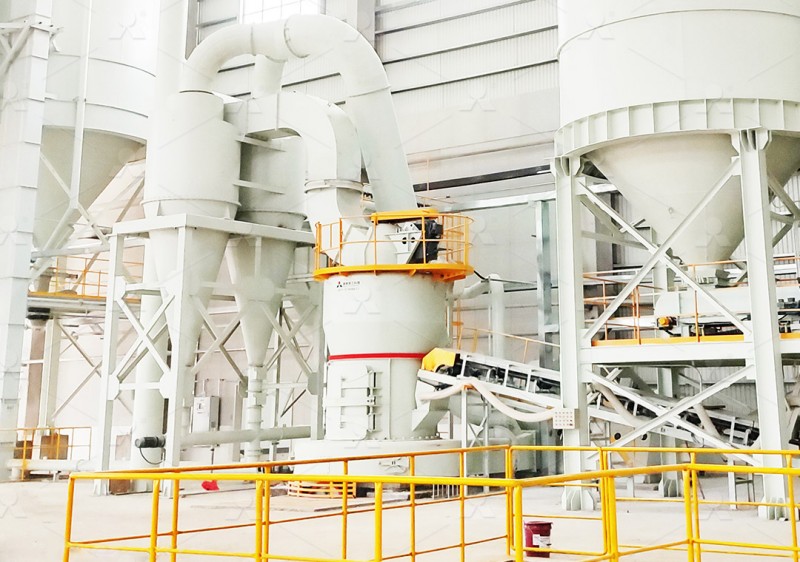
Your choice should be guided by a clear assessment of your operational needs. Start by defining your required production capacity (tph), the desired final product fineness (mesh or microns), and the input size of your raw material. Don’t overlook the importance of energy consumption, as this is a significant portion of your operating costs. Furthermore, consider the total footprint of the machine and the associated dust collection and noise control systems to ensure compliance with environmental regulations.
Spotlight on Advanced Grinding Solutions
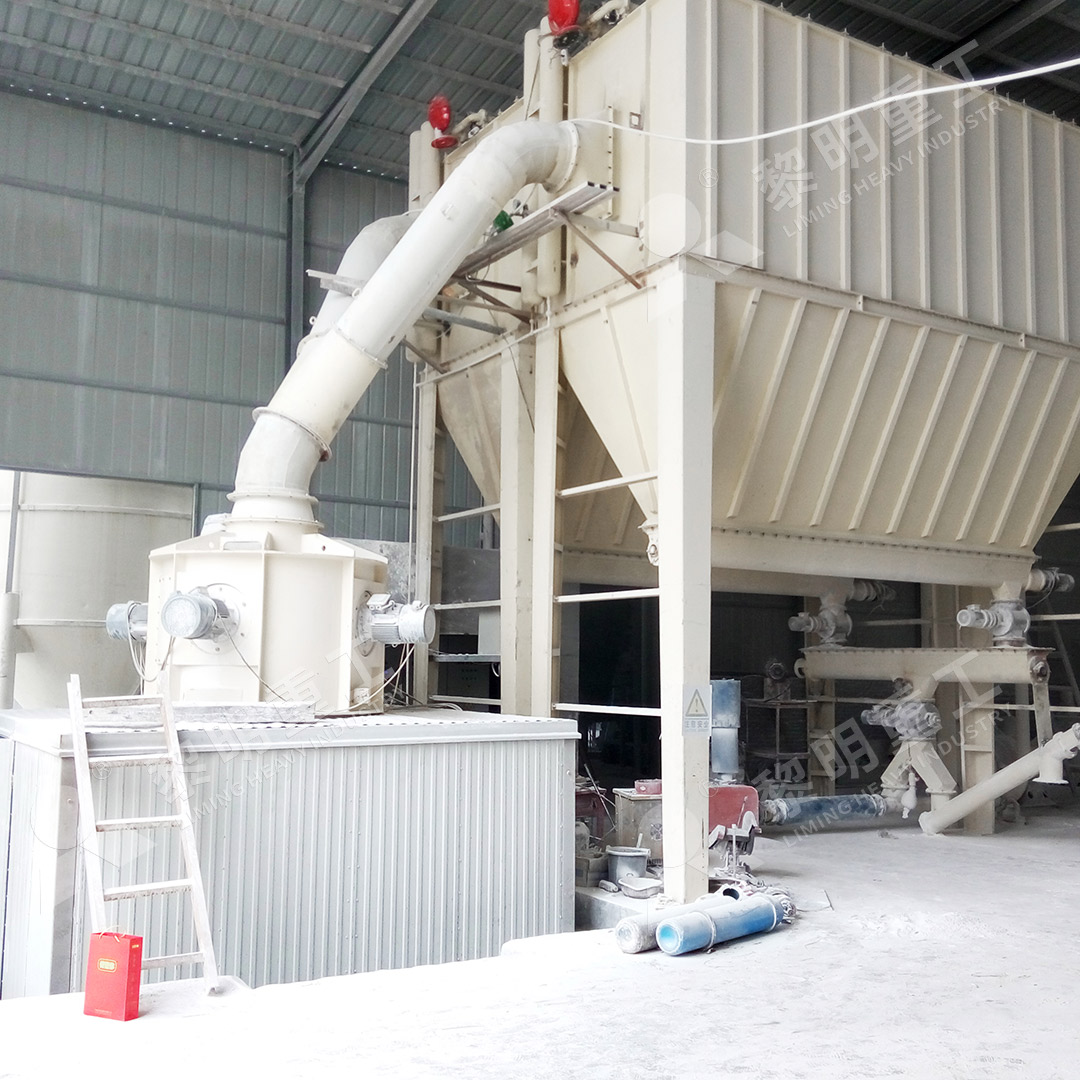
For operations requiring ultra-fine calcite powder, traditional mills often fall short. Modern ultrafine grinding mills offer superior efficiency and control. A standout solution in this category is our MW Ultrafine Grinding Mill. Designed for customers who need to make ultra-fine powder, it is engineered for higher yielding and lower energy consumption. Its newly designed grinding curves enhance efficiency, offering production capacity 40% higher than jet mills and twice that of ball mills, while using only 30% of the energy of a jet mill. It achieves an adjustable fineness between 325-2500 meshes with a high screening rate of d97≤5μm. Crucially, its design eliminates rolling bearings and screws in the grinding chamber, preventing common failure points and enabling external lubrication for continuous 24/7 operation.
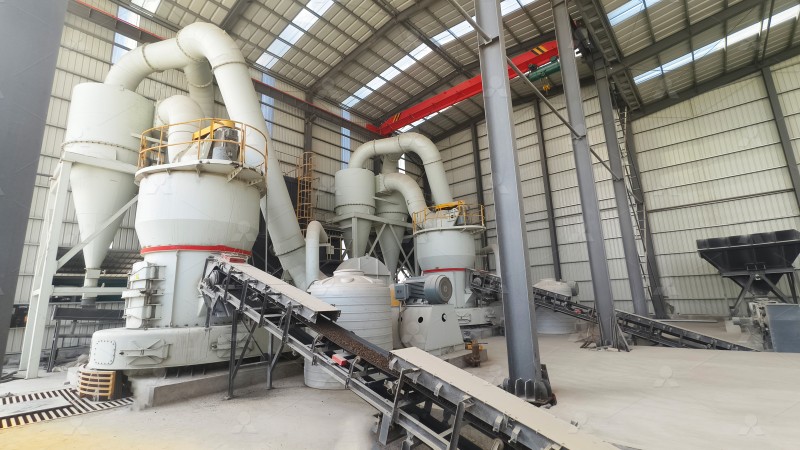
For another robust option, consider the LUM Ultrafine Vertical Grinding Mill. It integrates grinding, grading, and transporting with higher yielding rates and better product quality. Its unique roller shell design generates a material layer easily, enabling a high rate of finished products in a single pass, which improves whiteness and cleanliness. It also features energy-saving multi-head powder separating technology and double position-limiting technology for exceptional operational stability.
Making an Informed Decision
Beyond the machine’s brochure specifications, delve into the manufacturer’s reputation for after-sales support, availability of genuine spare parts, and technical service. A machine is a long-term investment, and reliable support is non-negotiable for minimizing downtime. Request material tests with your specific calcite sample to see real-world performance data on throughput and particle size distribution before making a final commitment.
Frequently Asked Questions (FAQ)
What is the typical fineness range for ground calcite?
It varies greatly by application. While 200 mesh is common for fillers, products like paints and cosmetics often require ultrafine powders in the range of 600-2500 meshes. Our MW Series Mill is specifically designed for this high-end range.
How important is energy efficiency in a grinding mill?
Extremely important. Grinding is an energy-intensive process. Mills like the MW and LUM series can reduce energy consumption by 30-50% compared to older technologies, leading to substantial operational cost savings over time.
Can these mills handle other materials besides calcite?
Absolutely. Our MW and LUM mills are versatile and can process a wide range of non-metallic minerals with similar hardness, including dolomite, limestone, talc, barite, and gypsum.
What kind of maintenance should I expect?
Our designs prioritize minimal and easy maintenance. For example, the MW Mill’s external lubrication system allows for servicing without shutdowns. Always follow the manufacturer’s recommended maintenance schedule for vulnerable parts like grinding rollers and rings.