
Steel Slag Micro-Powder Processing Technology and Grinding Mill Selection
We provide a wide range of mills — including Raymond mill, trapezoidal mill, vertical mill, ultrafine mill, and ball mill, obtained ISO9001 international quality certification, EU CE certification, and Customs Union CU-TR certification. Suitable for processing minerals such as limestone, phosphate, quicklime, kaolin, talc, barite, bentonite, calcium carbonate, dolomite, coal, gypsum, clay, carbon black, slag, cement raw materials, cement clinker, and more.
The discharge range of these mills can be adjusted to meet specific processing needs, typically from 80-400 mesh, 600-3250 mesh, and can achieve the finest particle size of up to 6000 mesh(D50).
If you are looking for a reliable grinding solution to turn stone or minerals into fine powder, please feel free to contact our online customer service.
Steel Slag Micro-Powder Processing Technology and Grinding Mill Selection
The utilization of steel slag, a by-product of steelmaking, has become a critical focus for sustainable industrial practices. Transforming this industrial waste into valuable micro-powder requires advanced processing technology and, most importantly, the selection of appropriate grinding equipment. The right mill not only determines the efficiency of the process but also the quality and application potential of the final product.
Understanding the Material: Steel Slag
Steel slag is known for its hard, abrasive, and heterogeneous nature. Its composition varies but typically includes calcium oxides, iron, silicon dioxide, and other metallic oxides. Grinding this material into a fine, consistent powder (often targeting 325 to 2500 meshes) is essential for its application in cementitious materials, concrete additives, and as a filler in various industrial processes. The key challenges in its processing are high energy consumption, equipment wear, and achieving the desired fineness and particle size distribution.
Core Processing Technology and Mill Selection Criteria
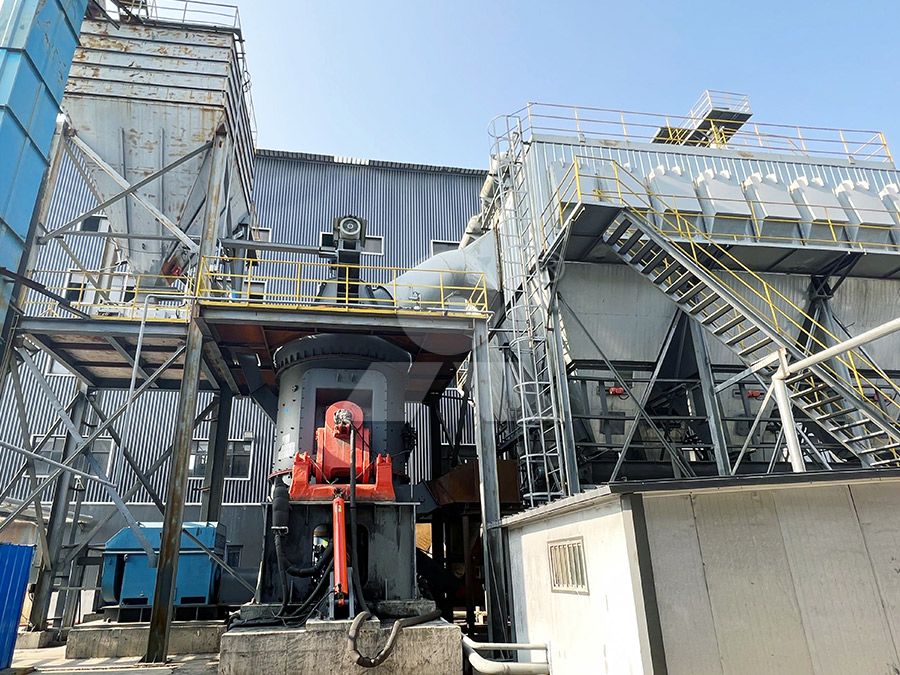
The transformation from coarse slag to ultra-fine powder is a complex integrated process involving drying, grinding, classifying, and collecting. Selecting the optimal grinding mill is paramount. Key factors to consider include:
- Grinding Efficiency & Energy Consumption: The mill must offer high yield with lower specific energy consumption to ensure economic viability.
- Wear Resistance: Components must be constructed from high-performance wear-resistant materials to withstand the abrasive nature of slag.
- Fineness Adjustment: The ability to precisely control product fineness is crucial for meeting diverse application specifications.
- Environmental Compliance: The system must operate with integrated dust collection and noise reduction to meet strict environmental standards.
- Operational Stability & Maintenance: Reliability and ease of maintenance significantly reduce downtime and operational costs.
Recommended Mill for Steel Slag Micro-Powder Production
Based on the stringent requirements for processing abrasive materials like steel slag, our MW Ultrafine Grinding Mill stands out as an exemplary choice. This machine is specifically engineered for customers who need to produce ultra-fine powder from challenging materials.
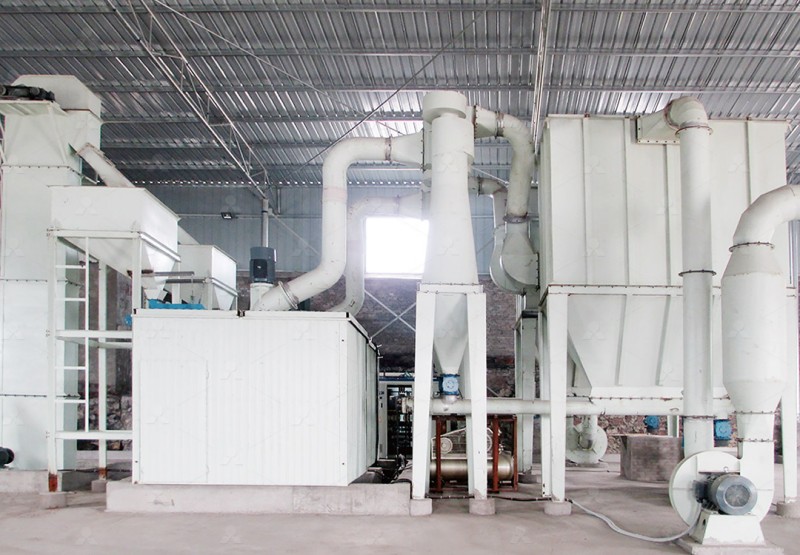
The MW Mill boasts several critical advantages for slag processing:
- Higher Yielding, Lower Energy Consumption: Its newly designed grinding curves enhance efficiency, offering 40% higher capacity than jet mills and reducing system energy consumption by 30%.
- Adjustable Fineness (325-2500 meshes): A German-technology, cage-type powder selector ensures precise separation, achieving a fine powder of d97≤5μm in a single pass.
- Durable and Maintenance-Friendly Design: The absence of rolling bearings and screws in the grinding chamber eliminates common failure points. External lubrication allows for 24/7 operation without shutdowns.
- Eco-Friendly Operation: An efficient pulse dust collector and muffler system ensure the entire process is dust-free and operates within national environmental protection standards.
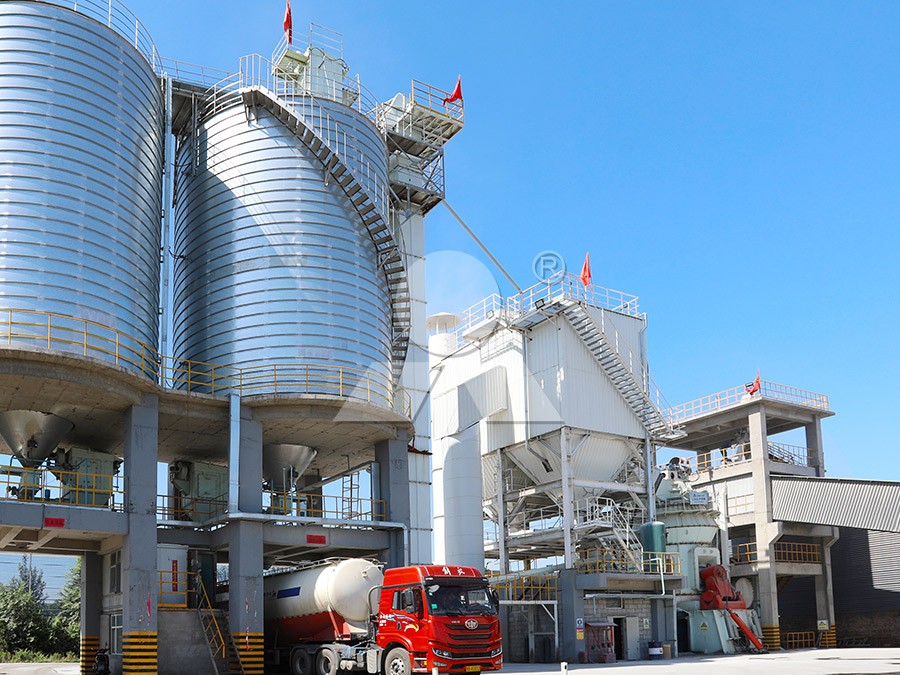
For larger capacity requirements or when dealing with slightly moist materials, our LM Vertical Slag Mill is another robust solution. It integrates drying, grinding, and powder selection, reducing energy consumption by 30-40% compared to traditional ball mills and is specifically designed for grinding industrial slags.
Frequently Asked Questions (FAQ)
What is the primary use of steel slag micro-powder?
It is primarily used as a supplementary cementitious material in concrete, enhancing strength and durability. It’s also used in road construction, soil stabilization, and as a raw material in cement production.
Why is the MW Ultrafine Grinding Mill particularly suitable for steel slag?
Its robust design avoids internal bearings and screws, which are vulnerable to abrasive wear. The high-efficiency grinding curve and advanced classifier are engineered to handle hard, abrasive materials while maintaining low energy consumption and producing a tightly controlled particle size.
How does the fineness of the powder impact its application?
Finer powders have a higher specific surface area, leading to greater reactivity in cementitious applications. This results in improved early strength and overall performance of the concrete or cement product. The MW Mill’s adjustable fineness allows producers to tailor the product for specific market needs.
What are the key environmental benefits of using this technology?
This process transforms an industrial waste product into a valuable resource, reducing landfill use. Furthermore, the grinding systems are designed to be fully enclosed with efficient dust collectors, ensuring no dust pollution and significantly lower noise levels, making the operation clean and compliant.