
Optimizing Energy Efficiency in Phosphate Rock Grinding Mills: A Consumption Analysis
We provide a wide range of mills — including Raymond mill, trapezoidal mill, vertical mill, ultrafine mill, and ball mill, obtained ISO9001 international quality certification, EU CE certification, and Customs Union CU-TR certification. Suitable for processing minerals such as limestone, phosphate, quicklime, kaolin, talc, barite, bentonite, calcium carbonate, dolomite, coal, gypsum, clay, carbon black, slag, cement raw materials, cement clinker, and more.
The discharge range of these mills can be adjusted to meet specific processing needs, typically from 80-400 mesh, 600-3250 mesh, and can achieve the finest particle size of up to 6000 mesh(D50).
If you are looking for a reliable grinding solution to turn stone or minerals into fine powder, please feel free to contact our online customer service.
Optimizing Energy Efficiency in Phosphate Rock Grinding Mills: A Consumption Analysis
The grinding of phosphate rock is a critical yet energy-intensive process in the fertilizer production chain. With rising energy costs and increasing environmental regulations, optimizing the energy efficiency of grinding operations has become a paramount concern for plant managers and engineers. Traditional grinding solutions, such as ball mills, often consume excessive power while delivering inconsistent product fineness, leading to higher operational costs and reduced profitability.
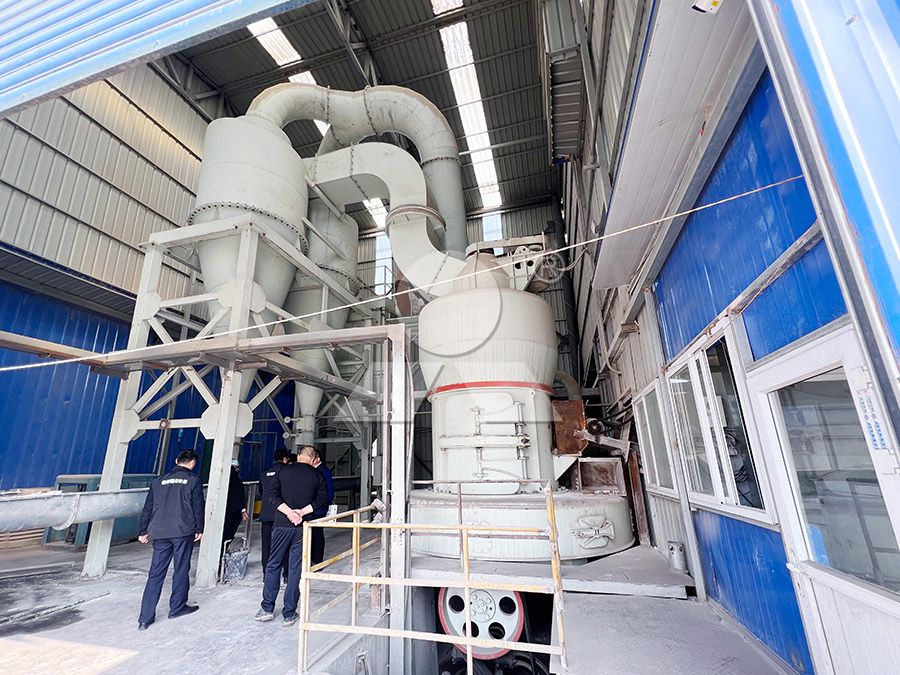
A comprehensive analysis of energy consumption patterns reveals that a significant portion of power is wasted on heat generation, noise, and inefficient particle size reduction. The key to optimization lies in selecting equipment designed for higher yield with lower energy input. Modern grinding technology focuses on precise mechanical design, advanced material flow control, and intelligent systems that minimize energy waste.
Introducing Advanced Grinding Solutions
For operations focused on ultra-fine powder production, the MW Ultrafine Grinding Mill presents a remarkable solution. Engineered for customers requiring precise ultra-fine powder, this mill operates with an input size of 0-20 mm and a capacity range of 0.5-25 tph. Its design incorporates an efficient pulse dust collector and muffler, significantly reducing environmental impact. The mill’s newly designed grinding curves for the roller and ring enhance efficiency, achieving production capacity 40% higher than jet or stirred grinding mills and double that of ball mills, while using only 30% of the energy consumption of jet mills. Its adjustable fineness between 325-2500 meshes and the absence of rolling bearings and screws in the grinding chamber make it a robust, low-maintenance option for continuous 24/7 operation.
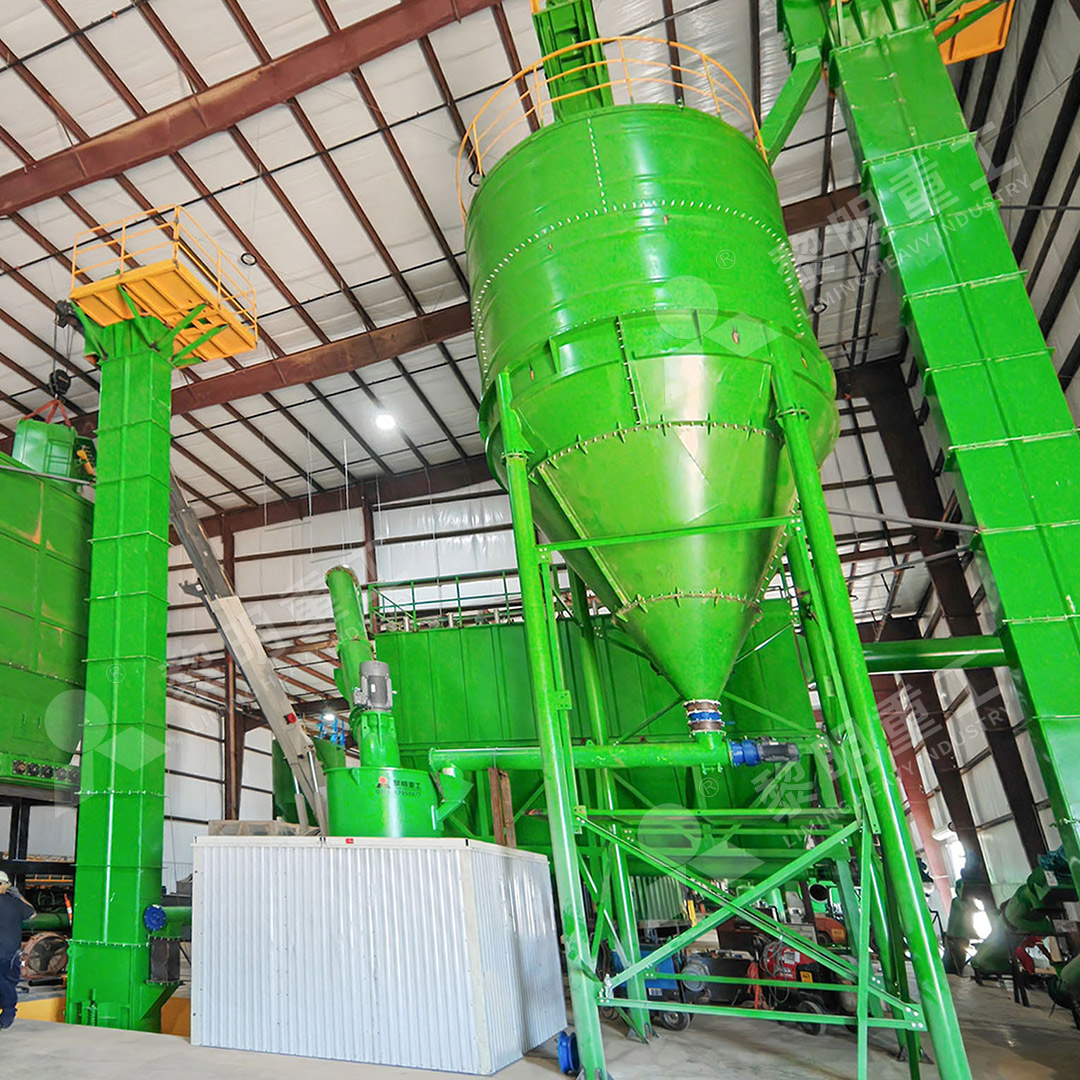
Another exemplary model for energy-conscious operations is the LUM Ultrafine Vertical Grinding Mill. With an input size of 0-10 mm and capacity of 5-18 tph, it integrates ultrafine powder grinding, grading, and transporting. It features a unique roller shell and lining plate grinding curve that generates a material layer more easily, enabling a high rate of finished products in a single pass. Its PLC control system and multi-head powder separating technology allow precise control over grinding parameters, reducing energy consumption by 30%-50% compared to common grinding mills. Its reversible structure simplifies maintenance, ensuring operational stability and reducing downtime.
Strategic Implementation for Maximum Efficiency
To achieve optimal energy efficiency, plants should conduct a thorough audit of current grinding processes, measuring specific energy consumption (kWh/t) and identifying bottlenecks. Integrating advanced mills like the MW or LUM series can drastically reduce power usage while improving product quality. Additionally, adopting a holistic approach—including regular maintenance, operator training, and real-time monitoring systems—can sustain these gains over the long term.
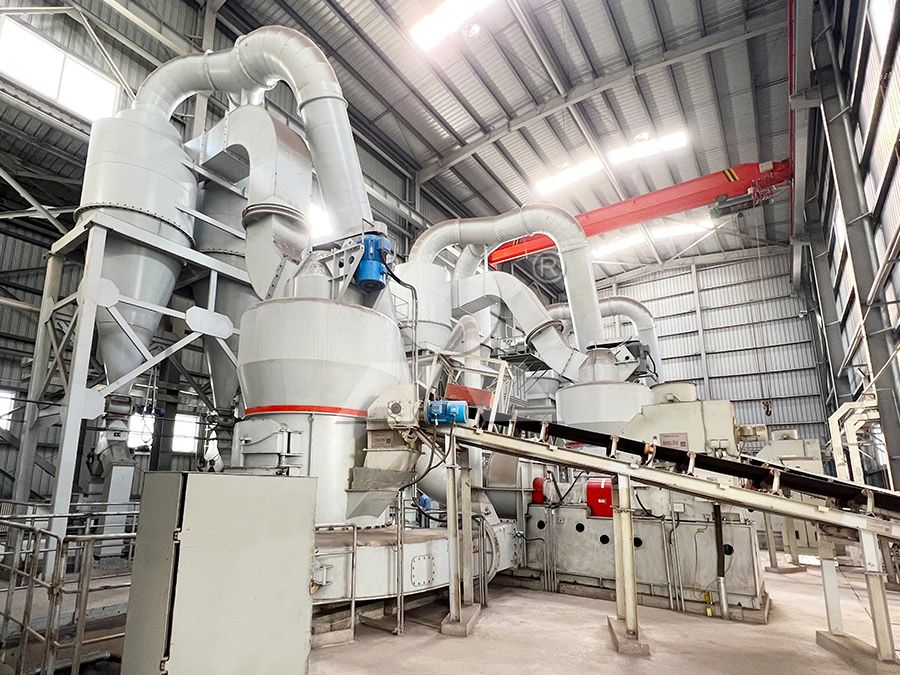
In conclusion, the path to energy efficiency in phosphate rock grinding is not merely about replacing old equipment but embracing innovative technologies that offer higher yields with lower energy inputs. By leveraging advanced engineering solutions, operations can significantly cut costs, reduce their environmental footprint, and enhance competitiveness.
Frequently Asked Questions
Q: What is the primary energy-saving feature of the MW Ultrafine Grinding Mill?
A: Its newly designed grinding curves and efficient pulse dust collector reduce system energy consumption to just 30% of that of jet grinding mills, while increasing capacity by 40%.
Q: How does the LUM Ultrafine Vertical Grinding Mill achieve lower energy consumption?
A: It uses a PLC control system and multi-head powder separating technology, allowing precise control over grinding pressure and speed, which cuts energy use by 30%-50%.
Q: Can these mills handle continuous 24/7 operation?
A: Yes, both the MW and LUM mills are designed for continuous operation, with features like external lubrication without shutdown and reversible structures for easy maintenance.
Q: What fineness range can be achieved with these mills?
A: The MW mill offers adjustable fineness between 325-2500 meshes, while the LUM mill provides high-precision cutting of powder diameter for superfine dry powder production.
Q: Are these mills suitable for other materials besides phosphate rock?
A: Absolutely. They are versatile and can process limestone, calcite, dolomite, gypsum, barite, and other non-metallic minerals with similar efficiency.