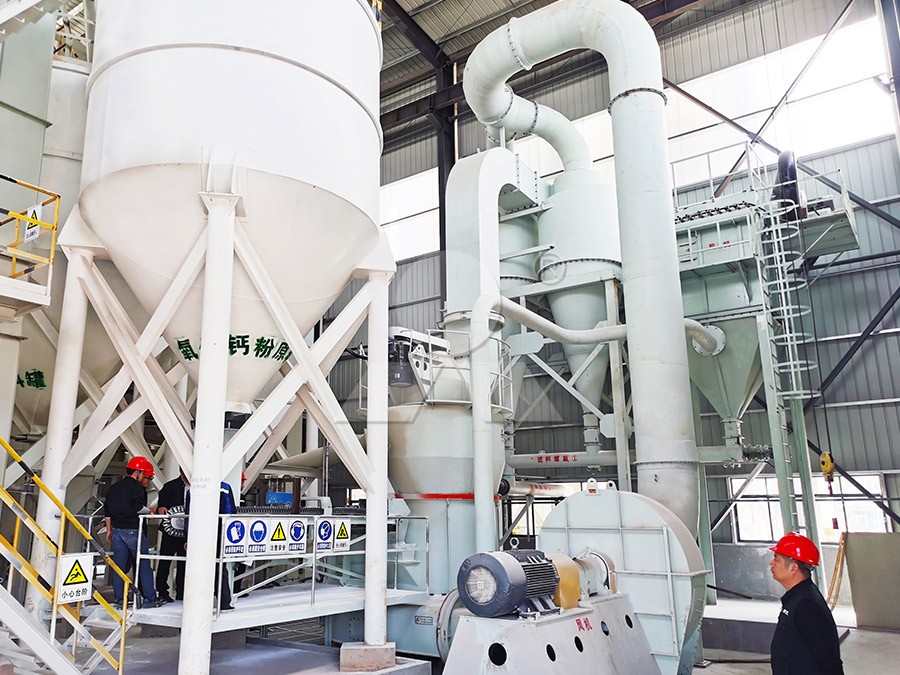
Which 200 Mesh Limestone Grinding Mill is Best for My Plant?
We provide a wide range of mills — including Raymond mill, trapezoidal mill, vertical mill, ultrafine mill, and ball mill, obtained ISO9001 international quality certification, EU CE certification, and Customs Union CU-TR certification. Suitable for processing minerals such as limestone, phosphate, quicklime, kaolin, talc, barite, bentonite, calcium carbonate, dolomite, coal, gypsum, clay, carbon black, slag, cement raw materials, cement clinker, and more.
The discharge range of these mills can be adjusted to meet specific processing needs, typically from 80-400 mesh, 600-3250 mesh, and can achieve the finest particle size of up to 6000 mesh(D50).
If you are looking for a reliable grinding solution to turn stone or minerals into fine powder, please feel free to contact our online customer service.
Navigating the Best Mill for 200 Mesh Limestone Production
Selecting the ideal grinding mill for producing 200 mesh limestone powder is a critical decision that directly impacts your plant’s productivity, operational costs, and final product quality. With numerous options on the market, the choice often boils down to your specific capacity requirements, desired fineness control, energy efficiency goals, and overall investment strategy. Limestone, valued for its whiteness and chemical properties, demands a mill that can deliver consistent particle size distribution without introducing excessive contaminants or consuming disproportionate amounts of power.
Key Considerations for 200 Mesh Limestone Grinding
For a 200 mesh product (approximately 74 microns), the grinding process must be efficient and precise. Key factors to consider include the mill’s ability to handle your required feed size (typically 0-20mm for fine grinding), its capacity range (in tons per hour), energy consumption per ton of product, and the overall system’s environmental footprint, particularly concerning dust and noise emissions. The design of the grinding elements and the precision of the internal classifier are paramount for achieving the target fineness without over-grinding, which wastes energy and can degrade product quality.
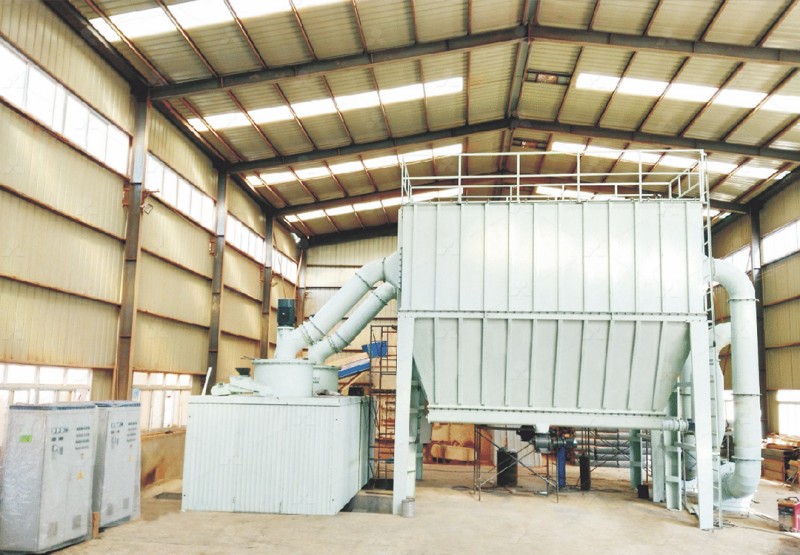
Top Mill Recommendations: Precision and Efficiency
Based on extensive industry experience and our product performance data, two mills stand out for 200 mesh limestone production: the MW Ultrafine Grinding Mill and the LUM Ultrafine Vertical Grinding Mill.
The MW Ultrafine Grinding Mill is exceptionally well-suited for this application. It is engineered for customers needing to make ultra-fine powder with superior efficiency. With an input size of 0-20 mm and a capacity range of 0.5-25 tph, it fits a wide array of plant sizes. Its cage-type powder selector, incorporating German technology, allows for precise fineness adjustment between 325-2500 meshes, making hitting the 200 mesh target effortless and consistent. A significant operational advantage is the absence of rolling bearings and screws in the grinding chamber, eliminating common failure points and enabling external lubrication without shutdown for true 24/7 operation. Furthermore, its integrated efficient pulse dust collector and muffler ensure the production process is clean and compliant with environmental standards.
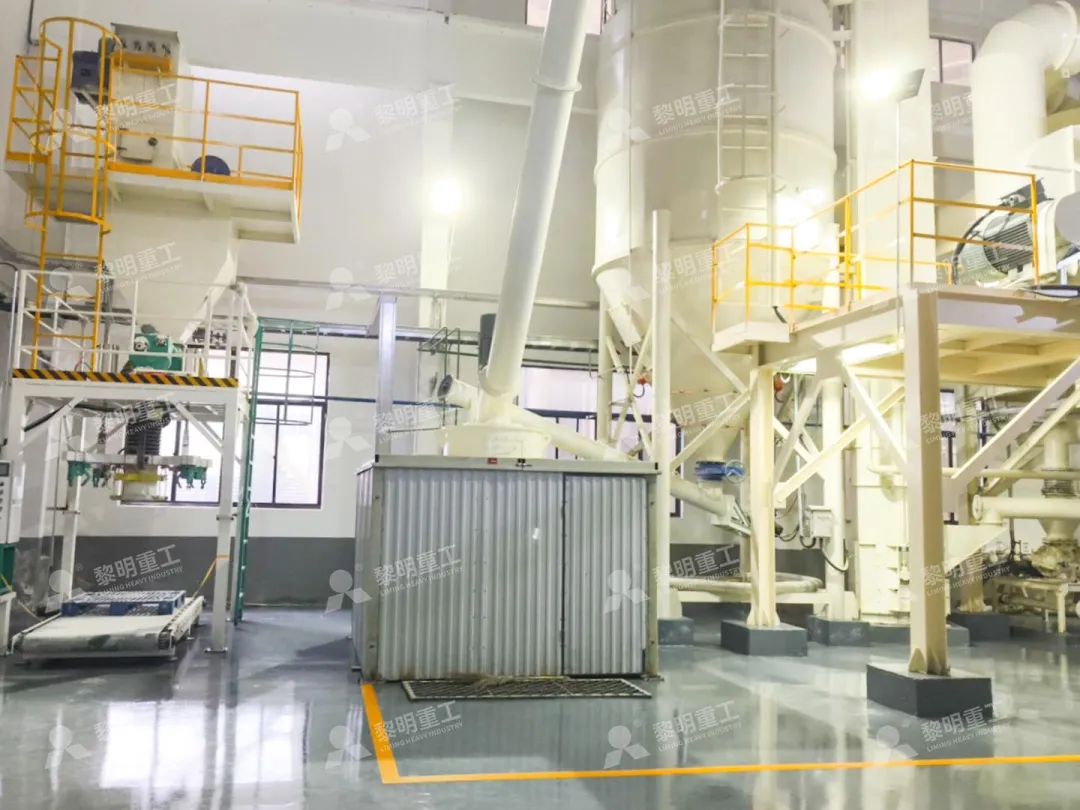
For operations seeking advanced technology with exceptional energy savings, the LUM Ultrafine Vertical Grinding Mill is a premier choice. It integrates ultrafine powder grinding, grading, and transporting into a single, compact unit. Its input size is 0-10 mm with a capacity of 5-18 tph. It features unique multi-head powder separating technology and a PLC control system, which reduces energy consumption by 30%-50% compared to common grinding mills while providing exact control over the 200 mesh fineness. Its reversible structure is a maintenance breakthrough, allowing grinding rollers to be easily moved out for inspection and part replacement, drastically reducing downtime.
Conclusion
For most plants targeting 200 mesh limestone, the MW Series represents an optimal balance of high yield, low energy consumption, operational reliability, and environmental friendliness. Its design directly addresses the core challenges of fine limestone grinding. We recommend consulting with our engineering team to review your specific plant layout and capacity needs for a tailored solution.
Frequently Asked Questions (FAQ)
Q1: What is the typical energy consumption of the MW Mill for 200 mesh limestone?
A: The MW Mill is designed for higher yielding and lower energy consumption. With the same fineness and power, its system energy consumption is only 30% of a jet mill, making it extremely efficient for 200 mesh production.
Q2: Can these mills handle moist limestone?
A: The standard MW and LUM mills are designed for dry grinding. For materials with significant moisture, integrated drying systems would need to be discussed, as our LM Vertical Mill offers robust drying capabilities.
Q3: How is the wear on grinding parts, and what is the maintenance schedule?
A: Both the MW and LUM mills are built with high-precision, wear-resistant components. The MW’s design without internal bearings and screws significantly reduces maintenance needs. For the LUM mill, the reversible structure allows for easy access to wear parts. We provide original spare parts to ensure worry-free operation.
Q4: Is the final product purity suitable for high-value applications like paints or cosmetics?
A: Absolutely. The design of both mills, particularly the absence of direct contact between certain grinding elements in the LUM model, ensures low iron contamination and high whiteness, making the final limestone powder ideal for chemical, paint, and cosmetic industries.