
Optimal Ball Mill Grinding Media Volume Ratio Calculation
We provide a wide range of mills — including Raymond mill, trapezoidal mill, vertical mill, ultrafine mill, and ball mill, obtained ISO9001 international quality certification, EU CE certification, and Customs Union CU-TR certification. Suitable for processing minerals such as limestone, phosphate, quicklime, kaolin, talc, barite, bentonite, calcium carbonate, dolomite, coal, gypsum, clay, carbon black, slag, cement raw materials, cement clinker, and more.
The discharge range of these mills can be adjusted to meet specific processing needs, typically from 80-400 mesh, 600-3250 mesh, and can achieve the finest particle size of up to 6000 mesh(D50).
If you are looking for a reliable grinding solution to turn stone or minerals into fine powder, please feel free to contact our online customer service.
Optimal Ball Mill Grinding Media Volume Ratio Calculation
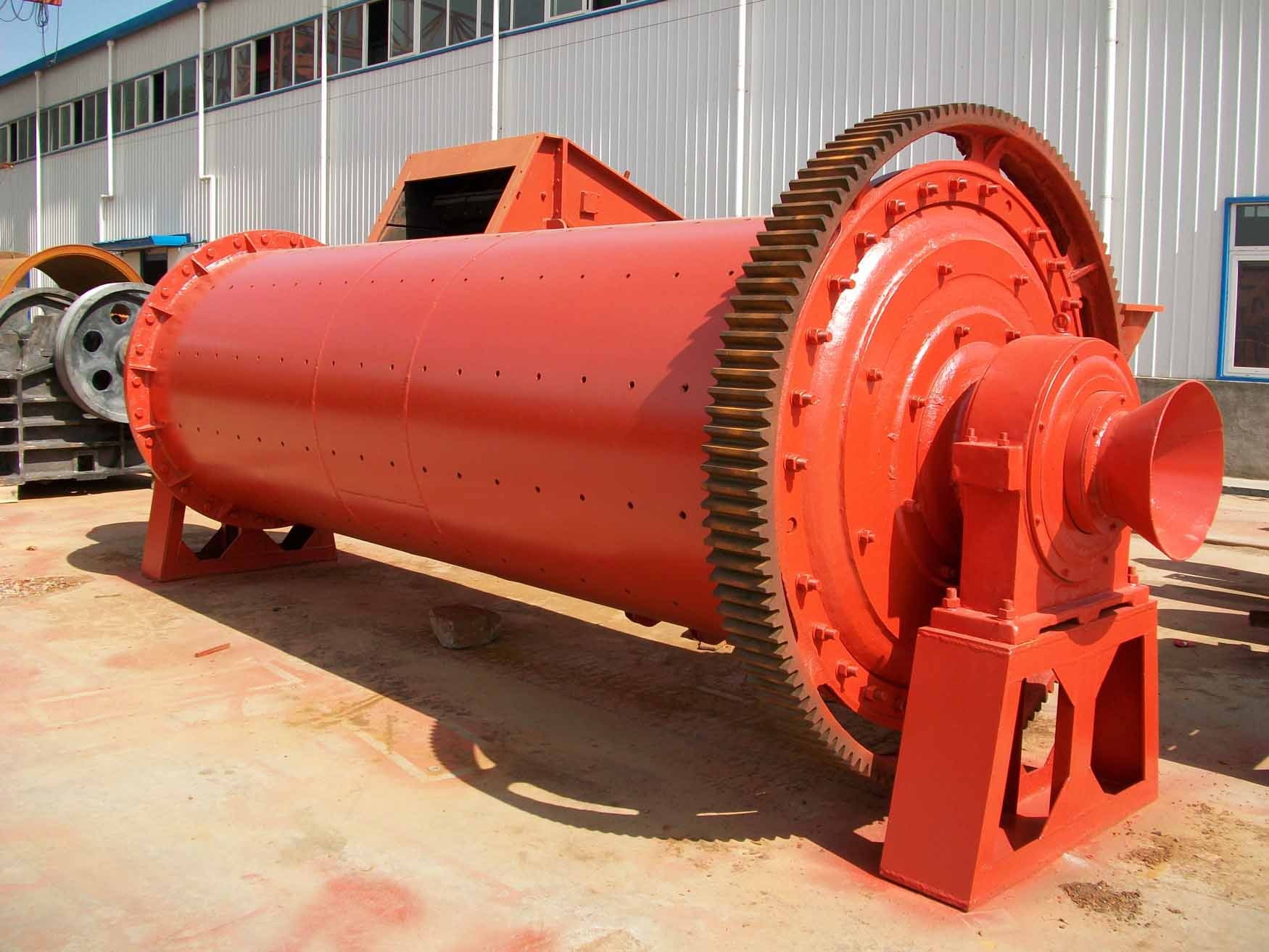
Calculating the optimal grinding media volume ratio is a critical step in maximizing ball mill efficiency, product quality, and operational economy. The grinding media charge, typically expressed as a percentage of the mill’s internal volume, directly influences the energy consumption, wear rate, and the fineness of the ground product. An incorrect charge volume can lead to increased liner and media wear, higher specific energy consumption, and subpar grinding performance.
The generally accepted optimal range for the grinding media filling degree in a ball mill is between 25% and 35% of the mill’s total internal volume. This range is not arbitrary; it is the result of extensive empirical testing and theoretical analysis of the dynamics inside a rotating mill.
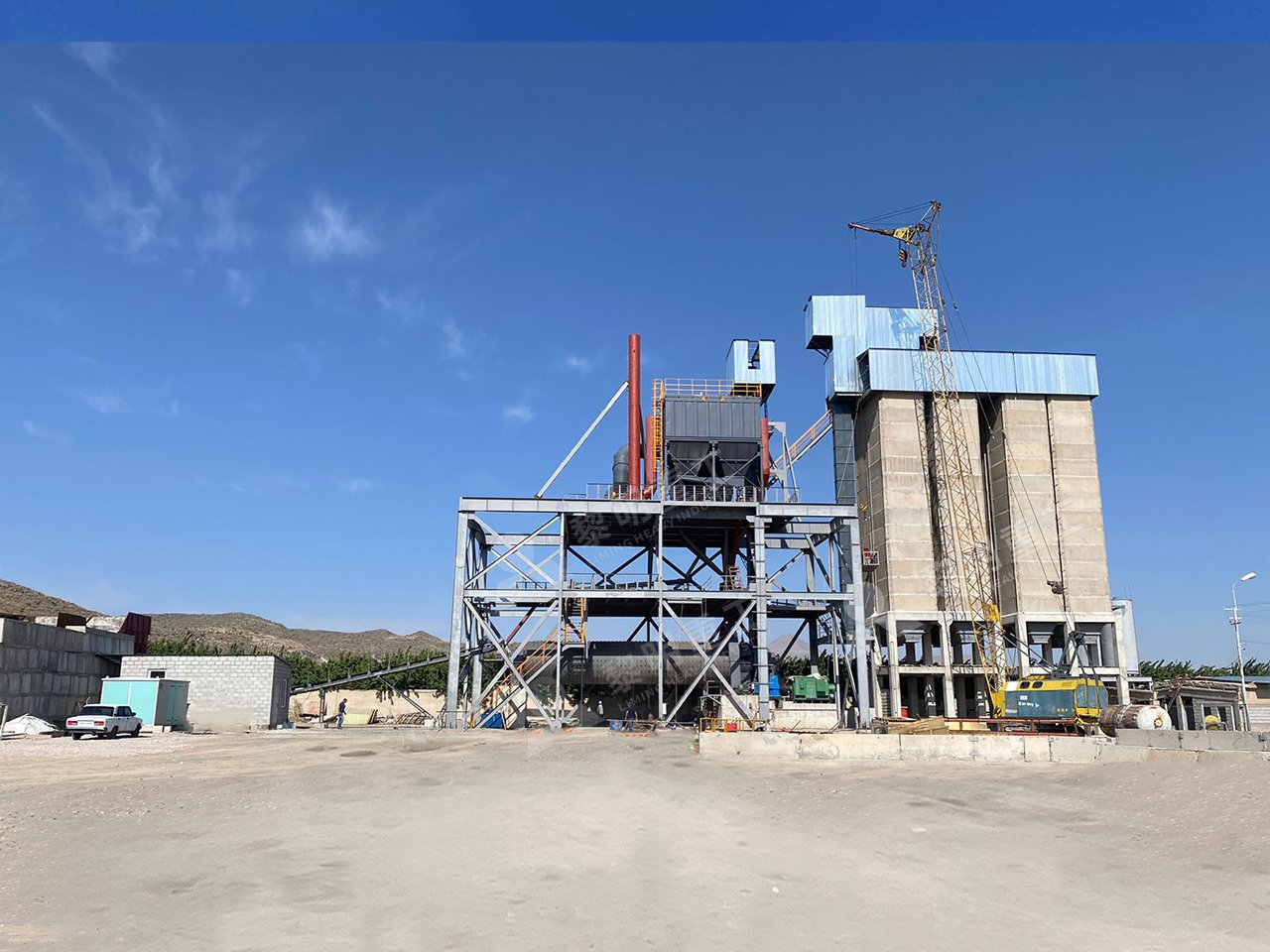
Factors Influencing the Optimal Ratio
Several key factors must be considered when determining the precise optimal media charge for a specific application:
- Mill Speed: Expressed as a percentage of the critical speed (the speed at which centrifugal force pins the media to the shell). The optimal media charge is often lower for mills operating at higher percentages of critical speed.
- Liner Profile: The design of the mill liners affects the lift and trajectory of the grinding media. Different profiles can alter the optimal charge volume for maximum impact and grinding efficiency.
- Media Properties: The size, density, and shape of the grinding balls (e.g., high-chrome steel, forged steel, ceramic) influence the charge’s overall mass and kinetic energy.
- Feed Material Characteristics: The hardness, feed size, and desired product fineness of the material being ground are primary drivers in media selection and charge volume calculation.
The Calculation Formula
The volume of grinding media can be calculated using the following formula, which considers the bulk density of the media and the desired filling percentage:
Media Volume (m³) = (π * D² * L * φ) / 4
Where:
D = Internal mill diameter (meters)
L = Effective internal mill length (meters)
φ = Filling degree ratio (expressed as a decimal, e.g., 0.30 for 30%)
To find the mass of media required, multiply the calculated volume by the bulk density of the grinding media (e.g., ~4.5-4.8 t/m³ for steel balls).
Beyond Ball Mills: Advanced Grinding Solutions
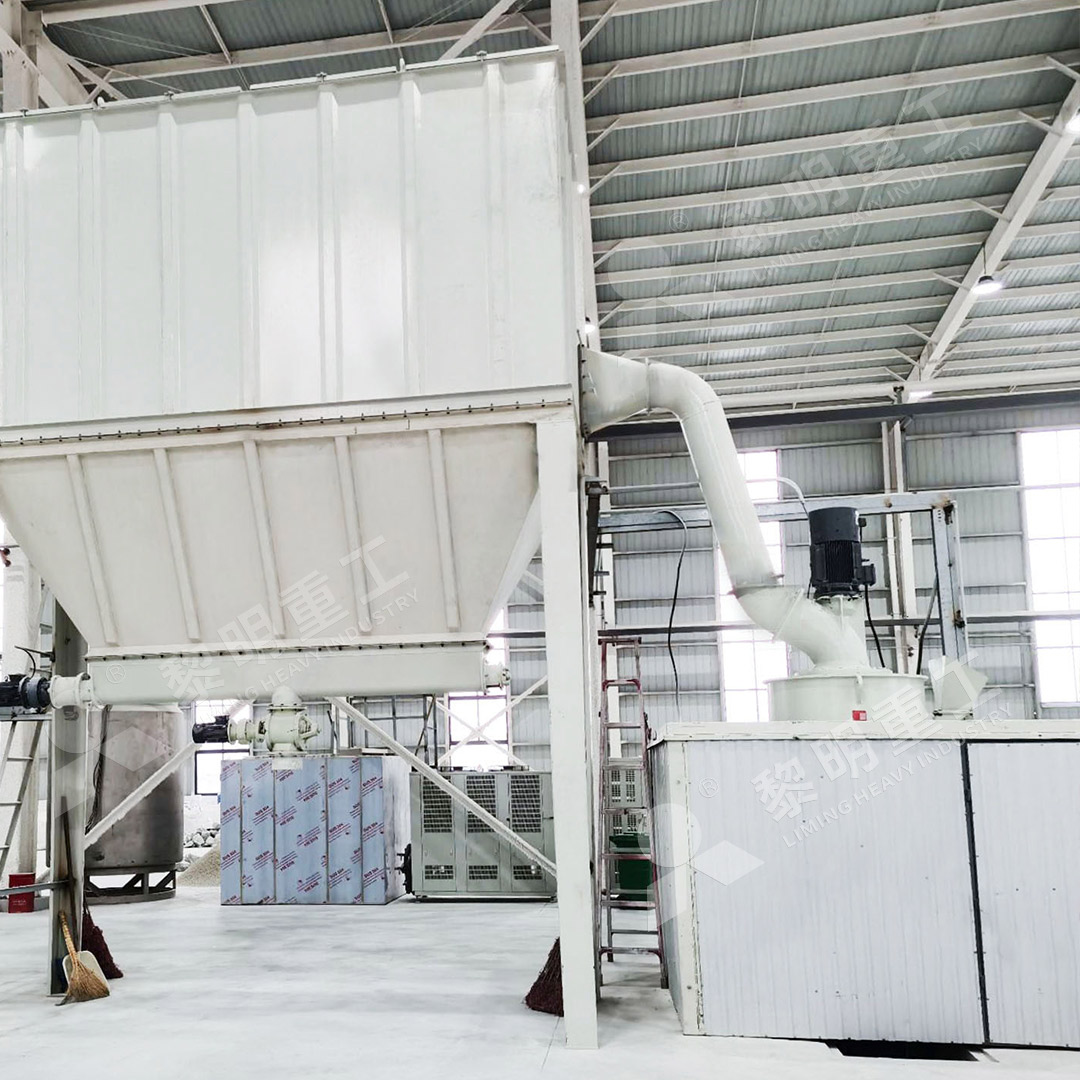
While optimizing a ball mill is crucial, many operations are now transitioning to more advanced, energy-efficient grinding technologies that eliminate the challenges of media charge calculation and high wear rates altogether. For ultra-fine powder production, our MW Ultrafine Grinding Mill represents a significant technological leap forward.
This machine is engineered for customers requiring ultra-fine powder between 325-2500 meshes. Its innovative design eliminates rolling bearings and screws in the grinding chamber, removing concerns about bearing damage or machine failure from loose components. With a production capacity 40% higher than jet mills and system energy consumption only 30% of jet mills, the MW series offers unparalleled efficiency. Equipped with an efficient pulse dust collector and muffler, it ensures a clean, quiet, and environmentally friendly operation, making it ideal for processing materials like limestone, calcite, talc, and cosmetics-grade powders.
Frequently Asked Questions (FAQ)
What happens if the ball mill charge is too high?
An overfilled mill (above 35-40%) reduces the kinetic energy of the tumbling media. The balls tend to cataract onto each other rather than onto the material, leading to excessive energy consumption, increased media and liner wear, and reduced grinding efficiency due to a cushioning effect.
What happens if the ball mill charge is too low?
An underfilled mill (below 25%) results in insufficient media-to-material contact. The balls primarily impact the mill liners instead of the ore, causing accelerated liner wear and producing a coarser product due to a lack of grinding action. It also leads to inefficient energy use.
How often should the grinding media charge be checked and replenished?
The media charge should be measured and the media wear rate monitored regularly, typically during scheduled maintenance shutdowns. The replenishment frequency depends on the mill’s operating hours, the abrasiveness of the feed material, and the media quality. High-wear applications may require topping up every 1-2 weeks.
Can the same media charge ratio be used for all materials?
No. While the 25-35% range is a good starting point, the ideal ratio should be fine-tuned for each specific material. Harder, more abrasive ores might perform better with a slightly lower charge to reduce excessive impact on liners, whereas softer materials might benefit from a charge at the higher end of the range to maximize throughput.