
Calculation of Power Consumption for Vertical Roller Mills in Cement Production
We provide a wide range of mills — including Raymond mill, trapezoidal mill, vertical mill, ultrafine mill, and ball mill, obtained ISO9001 international quality certification, EU CE certification, and Customs Union CU-TR certification. Suitable for processing minerals such as limestone, phosphate, quicklime, kaolin, talc, barite, bentonite, calcium carbonate, dolomite, coal, gypsum, clay, carbon black, slag, cement raw materials, cement clinker, and more.
The discharge range of these mills can be adjusted to meet specific processing needs, typically from 80-400 mesh, 600-3250 mesh, and can achieve the finest particle size of up to 6000 mesh(D50).
If you are looking for a reliable grinding solution to turn stone or minerals into fine powder, please feel free to contact our online customer service.
Understanding Power Consumption in Vertical Roller Mills
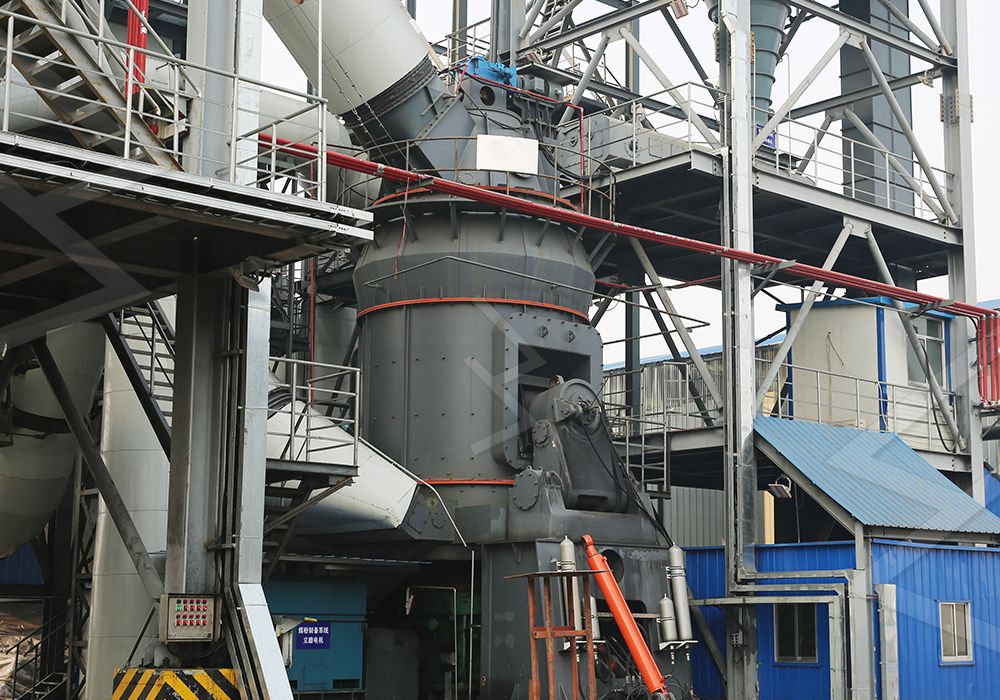
In the cement production industry, optimizing energy efficiency is paramount to reducing operational costs and environmental impact. Vertical Roller Mills (VRMs) have become the preferred equipment for raw material, coal, and cement grinding due to their significantly lower energy consumption compared to traditional ball mills. Accurately calculating power consumption is not just a matter of cost; it’s a critical factor in process optimization, equipment selection, and sustainability reporting.
Key Factors Influencing Power Draw
The total power consumption of a VRM is a sum of the energy required for several functions:
- Grinding Force: The primary energy consumer is the actual grinding action between the rollers and the table. This is influenced by the hardness of the material, required fineness, and the hydraulic pressure applied to the rollers.
- Mill Drive: The motor power needed to rotate the grinding table.
- Classifier: The integrated dynamic classifier, which separates fine product from coarse material for re-grinding, consumes a notable amount of energy, especially when aiming for very high fineness.
- Auxiliary Equipment: This includes the main fan (which creates the internal air flow for material transport and drying), feed conveyors, and hydraulic units.
A Simplified Calculation Approach
While sophisticated software models are used for precise design, a basic estimation of the mill motor’s power requirement (P) can be derived from:
P = k * D^2.5 * L
Where:
k = a specific energy consumption factor (kWh/t), determined by material grindability and desired fineness.
D = table diameter (m)
L = roller diameter (m)
This formula highlights that power demand increases significantly with the size of the mill. The specific energy factor (k) is where advanced mill design makes a substantial difference.
Maximizing Efficiency with Advanced Mill Design
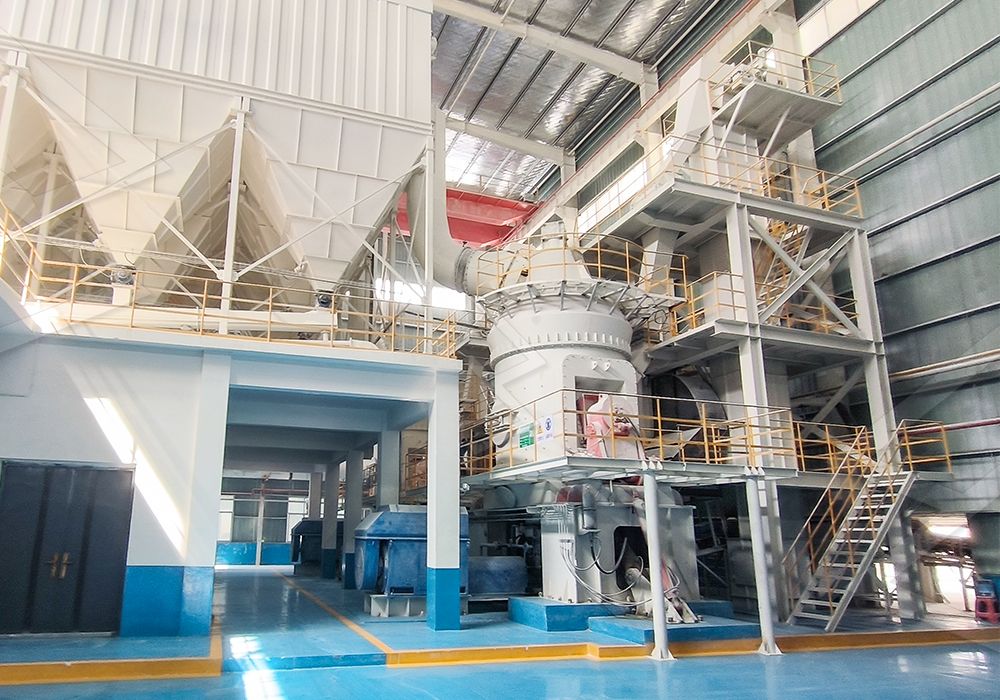
Selecting the right mill technology is the most effective way to minimize the ‘k’ factor in the long term. Our LUM Ultrafine Vertical Grinding Mill is engineered specifically for superior energy performance. It integrates the latest grinding roller technology and German powder separating technology, which collectively reduce energy consumption by 30%-50% compared to conventional mills. Its unique roller shell and lining plate grinding curve are designed to generate a stable material layer more efficiently, ensuring high yield with minimal power input. For operations requiring ultra-fine powders, our MW Ultrafine Grinding Mill offers exceptional efficiency, with a system energy consumption reported to be only 30% of that of jet mills.
Operational Tips for Reducing Power Consumption
- Optimize Feed Material Size: Ensure pre-crushers are correctly configured to deliver a consistent and optimally sized feed to the VRM, reducing the grinding burden.
- Maintain a Stable Grinding Bed: A consistent and adequate layer of material on the grinding table is crucial for efficient energy transfer and to prevent metal-to-metal contact.
- Monitor Classifier Speed: Adjust the classifier rotor speed to achieve the target fineness without over-grinding, which wastes energy.
- Utilize Expert Automation: Implement advanced process control systems to maintain optimal mill parameters automatically, responding to feed variations in real-time.
Frequently Asked Questions (FAQ)
Q: What is the typical specific energy consumption range for a VRM in cement raw meal grinding?
A: For a modern VRM, the specific energy consumption typically falls between 22-35 kWh/t for raw meal grinding, depending on material hardness and fineness. This is significantly lower than the 40-50 kWh/t often seen with ball mill systems.
Q: How does the moisture content of the feed affect power consumption?
A: Higher moisture requires more energy for drying, which is primarily handled by the hot gas generator and the main fan. While the grinding power itself may change slightly, the overall system energy draw will increase with higher moisture content. VRMs are excellent dryers, but efficient operation requires balancing the heat input with the mill’s grinding power.
Q: Can a VRM’s power consumption be accurately monitored in real-time?
A: Absolutely. The main drive motor power is a key process indicator (KPI) monitored constantly in modern plant control systems. Tracking trends in power draw can help identify issues like roller wear, material bed instability, or changes in feed composition, allowing for proactive adjustments.
Q: Does your LUM Mill require more maintenance due to its higher efficiency design?
A: Quite the opposite. The LUM Mill features a reversible structure and external lubrication system, making maintenance easier and faster. This design consideration minimizes downtime for checks and part replacements, further contributing to lower operating costs and more consistent, energy-efficient production.